Night sky
Stargazing Camping With Kids
The first time a kid sees the Milky Way with their own eyes is a camping memory that sticks for life. Getting there takes three things: a dark site, a dark weekend, and a warm place to lie down.
By William Blacklock · Last updated April 2026


Why fall is the best stargazing season for families
In late June, true darkness does not arrive until well after 10 p.m. across most of the country, long after any kid under ten has melted down. By mid-October it is dark by about 7:30, and by the first weekend of November (after the clocks fall back) it is dark before 6:30. That single change is what makes a real stargazing night possible with young kids.
Fall also stacks up small advantages. The air tends to be drier and clearer than summer haze, the mosquitoes are mostly gone, and the summer Milky Way is still hanging low in the southwest right after dark. The trade-off is cold, which is manageable if you plan for it (more on that below). The long evenings are the same thing camping after dark with kids plans around; a clear night is the best possible use of them.
Step one: find a genuinely dark campsite
Light pollution is the biggest factor you control. A campground 20 minutes outside a mid-sized town will show a few dozen stars; one two hours from the nearest city can show thousands of stars and a Milky Way with visible dark lanes running through it. You do not need a remote wilderness site to get most of that benefit, just distance from the glow.
- Check a light pollution map. Free online light pollution maps color the country from white (city center) to black (truly dark). Aim for a campground in the blue, gray, or black zones, and notice which direction the nearest city glow sits so you can face away from it.
- Look for a certified Dark Sky Park. DarkSky International certifies parks with protected night skies, and many are state parks and national parks with family-friendly campgrounds. Cherry Springs State Park in Pennsylvania, which has its own campground, is one of the best-known examples in the eastern half of the country; the camping in Pennsylvania guide covers the state's campground basics.
- Ask about ranger night-sky programs. Many national and state parks run evening astronomy talks, sometimes with telescopes set up for visitors. For kids, a ranger pointing a green laser at a constellation beats any app.
- Pick the right site within the campground. An open site with a wide view of the southern sky beats a snug site under trees. Stay away from the bathhouse and its all-night lights. The site-selection checklist in how to choose a family campsite applies, with sky view added to the list.
Step two: book around the moon
A full moon lights the sky so much that it hides most stars and nearly all of the Milky Way. The best stargazing nights fall within a few days of the new moon, when the moon is either absent or a thin crescent that sets soon after the sun. Check a moon phase calendar before you book, the same way you would check the weather.
For fall 2026, the new moons land around October 10 and November 9, which makes the weekends of October 9 to 11 and November 6 to 8 the darkest family-friendly windows of the season. The full moons around September 26, October 26, and November 24 are the weekends to avoid if stars are the point of the trip.
The fall 2026 meteor showers worth planning for
A meteor shower gives kids something to count and a reason to keep looking up, which matters more than the raw numbers. These are the three worth knowing this season. Rates are for dark, moonless skies; expect fewer if you are near towns.
- Orionids, peak around October 21 and 22. Roughly 10 to 20 meteors an hour at best, fast and sometimes leaving glowing trails. The moon is past first quarter and sets after midnight, so the darkest viewing is in the hours before dawn. For kids, that means an early bedtime and a 4:30 a.m. wake-up for the curious ones, which some families love and some do not.
- Leonids, peak around November 17. Usually modest, around 10 to 15 an hour, best after midnight. Worth a look if you are already out, not worth planning a trip around.
- Geminids, peak around December 13 and 14. The strongest shower of the year, with rates that can top 100 an hour at a dark site, and the only major shower that is active by mid-evening. In 2026 the moon is a thin crescent that sets early, so conditions are excellent. The catch is December cold, which is why many families watch this one from a cabin porch or a backyard.
You do not need a shower to have a great night. On any clear, moonless fall evening, patient watchers usually catch a few random meteors an hour, and kids find a "shooting star" just as thrilling whether it has a name or not.
See it done
Protect everyone's night vision
Human eyes take about 20 to 30 minutes to fully adapt to the dark, and one glance at a phone screen or a white headlamp throws much of that away. With a group of kids, somebody will flash a light every few minutes unless you set it up otherwise.
- Red light for everyone. A headlamp with a red mode, like the EverBrite LED Headlamp, 5-Pack, lets kids walk to the tent and read a chart without wrecking anyone's eyes. Switch them to red before sunset so nobody has to fumble for the button in the dark.
- Phones stay in the tent. Even on night mode, screens are brighter than they look. If you want a star app, open it once to find something, then put it away.
- Put the campfire out first. A fire is lovely, but it ruins night vision for everyone facing it. Do s'mores early, drown the fire, then start sky time.
- Mind the neighbors. Aim headlamps down, keep voices at quiet-hours level, and do not shine lights toward other sites. Other campers may be stargazing too.
Keep kids warm and comfortable while looking up
Stargazing means lying still for a long time, and a still body cools quickly even on a mild fall night. Kids who are cold stop looking up within ten minutes, so the setup matters more than the sky.
- Lie down, do not sit. Craning your neck from a camp chair gets old fast. Lay a waterproof-backed blanket like the WEKAPO Sandproof Waterproof Beach Blanket on the ground, put sleeping pads on top of it, and let kids lie in their sleeping bags. The ground is cold and often dewy by 9 p.m., so the layer underneath matters most.
- Dress for 15 degrees colder than it feels. Hats, fleece, and dry socks before you head out. An air-activated warmer like HotHands Hand Warmers, 40 Pairs in a pocket or tucked in a sock (never against bare skin) buys a lot of extra minutes. The full cold-night system is in how to keep kids warm camping.
- Bring a thermos. Hot cocoa poured under the stars is half the magic for younger kids.
- Keep sessions short. Twenty to 40 minutes is a great night for kids under eight. End while they still want more.
What to look for, without a telescope
Skip the telescope for a first trip. It shows a tiny patch of sky, takes practice to aim, and turns into a line of bored kids waiting for a turn. Naked eyes are best for meteors and constellations, and binoculars are the better upgrade.
- With naked eyes: the Big Dipper low in the north, the Summer Triangle of three bright stars high in the west right after dark, the Great Square of Pegasus overhead, and the Milky Way low in the southwest early in the evening. By mid-evening the Pleiades rise in the east, a tiny dipper-shaped cluster kids love to find.
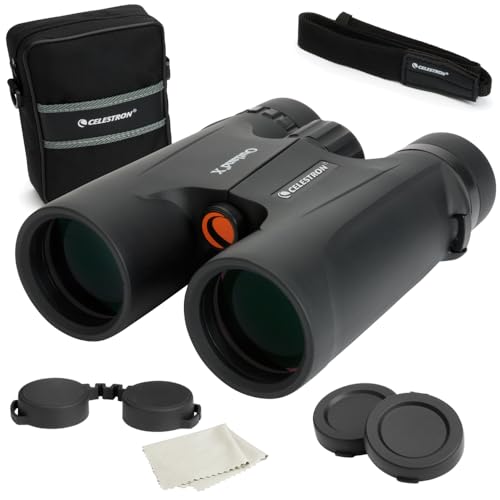
- With binoculars: a pair like the Celestron Outland X 8x42 Binoculars shows craters along the edge of the moon, dozens of stars in the Pleiades, and the Andromeda Galaxy as a soft smudge. Telling a kid that the smudge is light that left another galaxy two and a half million years ago never gets old.
- Planets: planets shine steadily instead of twinkling, which is a good first lesson. Saturn reaches opposition in early October 2026, so it rises around sunset and stays up all night through the fall.
A paper planisphere like The Night Sky 30°-40° Star Finder is the best navigation tool for kids: dial in the date and time and it shows what is overhead, no batteries or screen glare. Buy the version for your latitude. The reading a star chart skill walks through using one, and the constellation hunt activity turns it into a game.
Make it a game kids want to play
- Meteor count. Everyone calls out "Meteor!" and one person keeps the tally. Kids stay engaged far longer when there is a number going up.
- Satellite spotting. On most clear evenings you can see several satellites crossing as steady, slow-moving points of light in the first two hours after sunset. Kids are usually amazed they can see them at all.
- Make up a constellation. Let each kid pick a group of stars and name it. It teaches pattern-finding the same way the real ones were invented.
- Nap first for a late show. If you plan to stay up past bedtime, an afternoon rest in the tent keeps the late session from ending in tears.
A good fall trip pairs one clear stargazing night with daytime plans that do not depend on it, since clouds happen. The fall camping for beginners guide covers the rest of the season's planning.
Frequently asked
What is the best time of year to go stargazing with kids?
Fall, because full darkness arrives before kids' bedtime and bugs are mostly gone. Pick a weekend near the new moon whatever the season.
Which meteor showers are worth camping for in fall 2026?
The Orionids around October 21 and 22 (best before dawn), the modest Leonids around November 17, and the Geminids around December 13 and 14, the best shower of the year for kids because it is active by mid-evening.
How long does it take for eyes to adjust to the dark?
About 20 to 30 minutes. Use red lights only and keep phones in the tent so nobody resets everyone's night vision.
Do we need a telescope to go stargazing with kids?
No. Naked eyes are best for meteors and constellations. Binoculars and a paper star chart for your latitude are the better first upgrade.