Stargazing
Reading a Star Chart
How to orient a planisphere - and why the sky looks different at 9pm vs midnight.

By William Blacklock · Last updated April 2026
When to use this
Once your eyes are dark-adapted, in the darkest spot you can safely stand at camp.
- Pairing a printable chart with a real night sky
- Teaching kids how the sky rotates
- Planning what to look for before sunset
See it done
What you need
- A printed star chart or planisphere
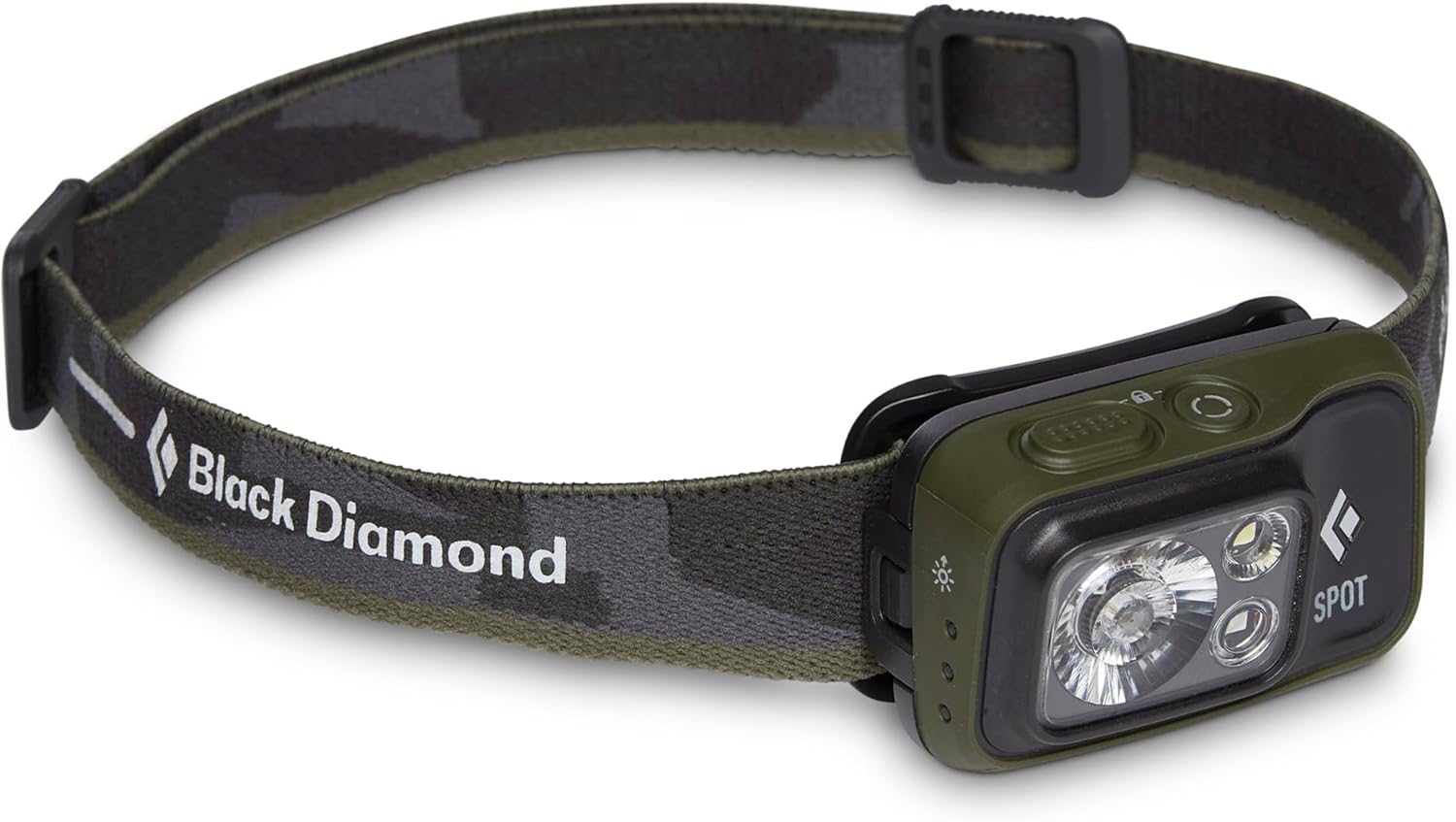
- Red-light headlamp
- A way to face north (compass app, the Big Dipper, or sunset memory)
Step by step
- 1.Match the date on the planisphere wheel to the time you’ll be looking. The chart is calibrated for 9pm by default - at midnight, advance the date by about 45 days to see what’s actually overhead.
- 2.Stand facing north. Hold the chart up flat above your head, with the "N" edge pointing toward true north (not magnetic - most apps default to magnetic; for stargazing it’s close enough).
- 3.The center of the chart is the point directly overhead (the zenith). The outer circle is the horizon. Stars near the edge are low; stars near the center are high.
- 4.Find Polaris (the North Star) on the chart and in the sky. If they line up, your orientation is right. If not, rotate the chart until they do.
- 5.Pick one constellation, identify it on the chart, then find it in the sky. Big Dipper or Cassiopeia is the easiest first target - both are circumpolar (always visible from the Northern Hemisphere).
- 6.Re-orient every 30-60 minutes. The sky rotates roughly 15° per hour, so what was on the eastern horizon at 9pm is overhead by 3am.
Pro tips
- Trailstead’s printable Northern Hemisphere Constellation Wheel is built to be read with this technique. Print, fold, bring.
- A planisphere and a star app agree on the bright stars but disagree on faint ones - trust your chart for the constellation shapes, the app for satellite tracking.
Common mistakes
- Holding the chart flat in front of you instead of overhead. The chart shows the dome of the sky as if you were looking up - front-of-face orientation flips left and right.
- Setting the chart for the wrong time. A 9pm chart used at midnight points you at constellations that have already set.
Recommended gear
A short list of what makes this skill easier.

Analog companion
Prefer the full landing page first? See the northern hemisphere constellation wheel.
Continue learning
Stargazing
Finding Constellations
Three you can pick out tonight - without an app.
Stargazing
Constellations by Season
Which shapes are up tonight depends on the date - here’s the cheat sheet.
Stargazing
Finding Dark-Sky Sites
How to read the Bortle scale and pick a campground where the Milky Way is actually visible.
Ready to put this to use
Get a starter trip plan in 5 seconds.
The skill clicks once you use it on a real trip. Build a full trip plan in two minutes - gear list, meals, schedule, the works.
Start the quiz