Pennsylvania
Camping in Pennsylvania for Beginners
124 state parks, free day-use entry, waterfalls in every direction, and one health risk you have to take seriously.
By William Blacklock · Last updated April 2026


What camping in Pennsylvania is actually like
- Dense, close, and cheap. 124 state parks, free day-use entry at every one, and a park within roughly 25 miles of most residents. Very few states make a first trip this easy to reach.
- Green and wet. Hemlock ravines, hardwood ridges, and more waterfalls than most people realize. Rain is spread across the whole year, so there is no reliably dry season.
- Four distinct regions. The Poconos in the northeast, the Allegheny National Forest and northern tier up top, the Laurel Highlands in the southwest, and ridge-and-valley country through the middle.
- Beginner focus: a state park campground within two hours of home with a waterfall trail or a lake beach, plus a real tick routine.
What's different about camping in Pennsylvania
Ticks are the one non-negotiable
- Blacklegged ticks are present in every Pennsylvania county, and the state reports among the highest Lyme disease case counts in the country.
- The dangerous stage is the nymph: about the size of a poppy seed, most active May through July, and easy to miss.
- Treat pants, socks, and shirts with permethrin a day before the trip. It stays effective through several washes.
- On trails, tuck pants into socks and stay on the trail center. Ticks wait on vegetation at the edges, not in the middle of the path.
- Full-body check every evening, on everyone, including the scalp, behind the ears, waistband, armpits, and behind the knees. Carry fine-tipped tweezers and pull straight out, close to the skin.
- Check the dog too. Dogs carry ticks into the tent.
Humidity and afternoon storms
- Summer runs warm and humid with regular afternoon thunderstorms building over the ridges. Gear does not dry on its own.
- Pitch on high ground, never in the appealing flat low spot, and bring a tarp for the picnic table.
- Pack extra socks and a second pair of shoes. Waterfall trails stay wet even on clear days.
Black bears are common and campground-savvy
- Pennsylvania has a large black bear population and regular campground visits in the Poconos, the northern tier, and the Allegheny National Forest.
- Everything scented goes in the car overnight with the windows shut: food, trash, toiletries, sunscreen, and the cooler.
- Take trash to the dumpster before bed, not in the morning.
The waterfalls are the whole itinerary
- Ricketts Glen alone has 22 named waterfalls on a single loop, and the Poconos and Laurel Highlands are full of smaller ones.
- The rock is wet and slick year-round. Falls Trail accidents at Ricketts Glen are common and it is closed to hiking in winter conditions for good reason.
- Real shoes with grip, not sandals. Keep small kids on the inside of the trail.

Best setup for your first trip in Pennsylvania
Three beginner trip types that work here, mapped to plans on this site. Pick the smallest one you have not done yet, or take the 5-second quiz and we will match one to your dates and party size. Because rain is a near-certainty at some point, rainy camping trips is worth reading before you go.
- Backyard Test. One night in your own yard to find out what you are missing. Useful anywhere, and a good place to practice the tick check as a routine before it matters.
- First Night Camp. One night, one car, a state park within two hours. Free day-use entry means you can scout the campground on a day trip first, which is a real Pennsylvania advantage.
- Easy Family Basecamp. Two nights at Ricketts Glen, Promised Land, Hickory Run, or Cook Forest, with a waterfall hike one day and the lake beach the other.
Where beginners should look
DCNR state parks
The state park system is the default. Ricketts Glen is the headline: 22 named waterfalls on the Falls Trail loop, plus Lake Jean with a swimming beach and a modern campground. Hickory Run in the Poconos has the Boulder Field and easy access from Philadelphia and New York. Promised Land is the classic Pocono lake campground. Cook Forest in the northwest protects an old-growth stand of white pine and hemlock called the Forest Cathedral, with the Clarion River running past. Park pages and conditions are at dcnr.pa.gov; reservations run through pennsylvaniastateparks.reserveamerica.com.
Allegheny National Forest
The only national forest in Pennsylvania, in the northwest corner, and the best place in the state for a quieter trip. Developed campgrounds along the Allegheny Reservoir, including Kiasutha, Dewdrop, and Red Bridge, have drinking water and toilets and are reserved on recreation.gov. Dispersed camping is allowed in most of the forest at no charge, which makes it a good trip-two or trip-three destination once you know your gear.
State forests and private campgrounds
Pennsylvania state forests allow primitive camping, with a free permit needed for stays beyond a night in one spot. There is no water and no toilet, so treat it as a step up rather than a starting point. Private campgrounds cluster around the Poconos resort corridor and the Laurel Highlands; they are convenient and often have pools, but quality varies, so read recent reviews. If national park units are on your list, Delaware Water Gap National Recreation Area spans the New Jersey border with river access and its own set of rules.

What to bring (for Pennsylvania)
Start from a normal beginner packing list, then adjust:
Add
- Permethrin spray, applied to pants, socks, and shirts a day before you leave.
- Fine-tipped tweezers in the first aid kit, plus antiseptic wipes. Practice the removal technique before you need it.
- A tarp for the picnic table. Afternoon storms are routine from June through August.
- Real hiking shoes with grip. Waterfall trails are wet rock.
- Two pairs of shoes and extra socks per person. Humidity means nothing dries overnight.
- Firewood bought locally. Pennsylvania restricts moving firewood to slow the spread of forest pests.
- A 30-40°F sleeping bag for spring and fall trips. Ridge-top parks get cold at night.
Skip or downsize
- Big shade canopies. Rain cover is the need here, not shade.
- Large water containers at state parks. Potable water is standard in developed campgrounds.
- Bear canisters. They are not required in Pennsylvania. Your car is the food locker.
Common first-time mistakes in Pennsylvania
- Skipping the tick check because nobody hiked far. Ticks come off the grass at the edge of the campsite, not just the trail. Check every night, on everyone, scalp included. This is the mistake with the longest consequences.
- Wearing sandals on the Falls Trail. Ricketts Glen is wet rock beside long drops, and injuries there are common every summer. Grip soles, hands free, kids on the inside.
- Leaving the cooler out overnight. Poconos and northern tier bears will work a cooler open. Everything scented goes in the car with the windows up.
- Pitching in the flat low spot. It is flat because water collects there. In a state with year-round rain, that is a wet night waiting to happen.
- Booking a July weekend in June. Ricketts Glen, Promised Land, and Hickory Run fill for summer weekends. Book when your window opens, or take a weekday, or go in September when everything loosens up.
Simple gear setup for Pennsylvania
A working starter kit calibrated for Pennsylvania: humidity, afternoon storms, cool nights, and ticks.
- Tent. Coleman Sundome 4-Person (~$68). Full rainfly coverage is the feature that matters. Pitch high, stake the fly taut for airflow.
- Sleeping bag. Coleman Brazos Sleeping Bag (~$40). Covers a Pennsylvania summer night and most of the shoulder season.
- Sleeping pad. Big Agnes Divide UnInsulated Pad (~$100). Insulated, and it keeps you off a damp tent floor.
- Rain cover. GEERTOP 17×10 ft Camping Tarp (~$40). Set it up first, before the tent, on any summer trip.
- Stove. Coleman Triton+ 2-Burner Propane Stove (~$85). Works when the fire ring is too wet to light.
- First aid. Gevoke 410-Piece First Aid Kit (~$40). Add fine-tipped tweezers specifically for tick removal.
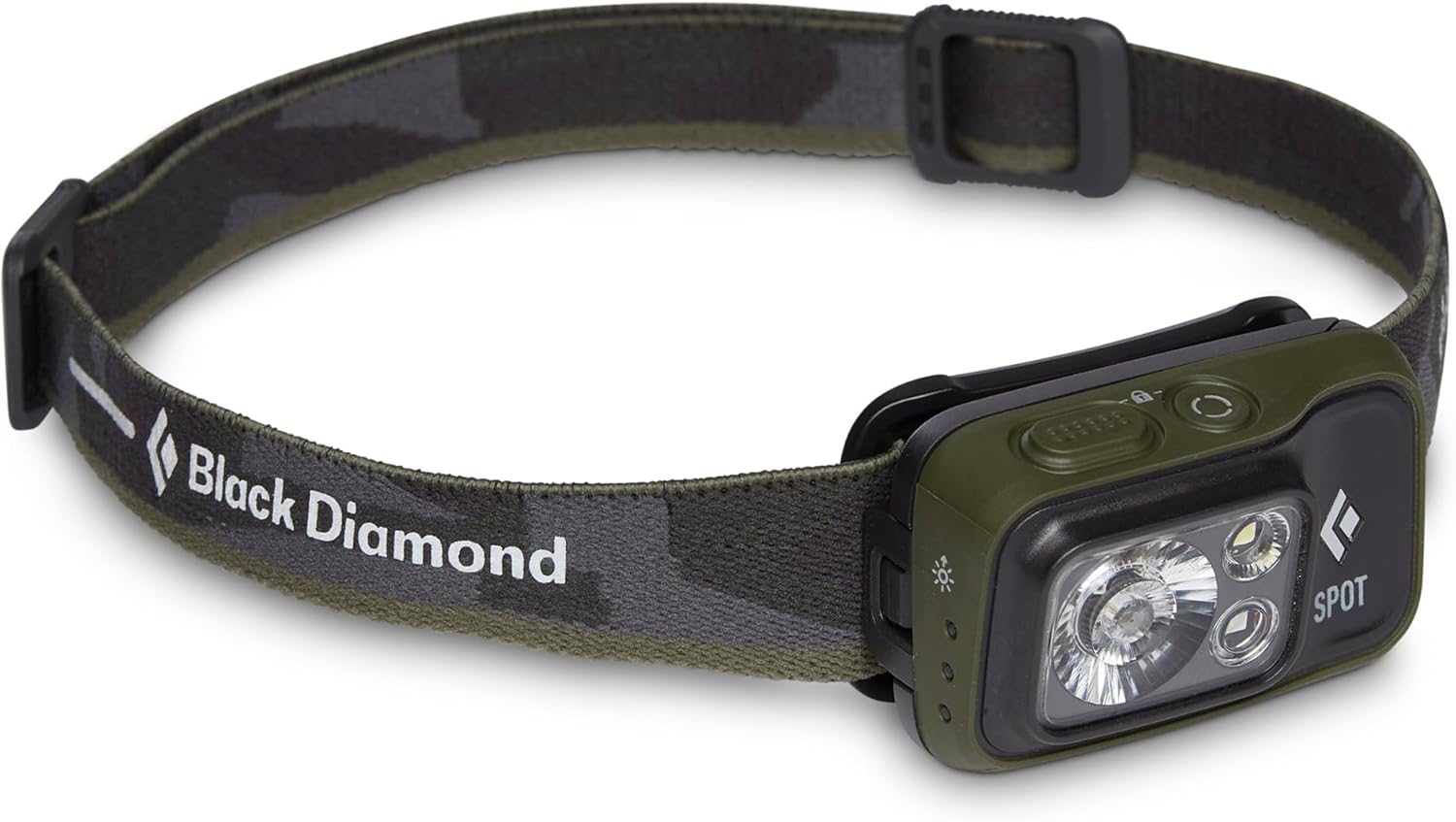
- Headlamp. Black Diamond Spot 400 Headlamp (~$60). One per person, and the light you do the evening tick check by.
- Tick prevention. Permethrin for clothing and picaridin or DEET for skin. This is the piece of the Pennsylvania kit not to improvise.
Frequently asked
When is the best time to camp in Pennsylvania?
Late May through mid-October, with September and early October the best weeks: cool nights, far fewer bugs, and hardwood foliage that rivals New England. Spring is wet but the waterfalls are at their peak.
How serious is the Lyme disease risk?
Serious enough to build a routine around. Pennsylvania reports among the most Lyme cases in the country, and nymphal ticks are poppy-seed sized and most active May through July. Permethrin-treated clothing plus a full-body check every evening is the defense.
How do I reserve a Pennsylvania state park campsite?
Through pennsylvaniastateparks.reserveamerica.com. Day-use entry is free at all 124 state parks, so you can scout a campground on a day trip before you commit to a night there.
Where should a Pennsylvania first-timer camp?
A state park within two hours with a waterfall trail or a lake beach. Ricketts Glen, Hickory Run, Promised Land, and Cook Forest are all comfortable first trips with showers and staff on site.
Are there bears in Pennsylvania campgrounds?
Yes, especially in the Poconos, the northern tier, and the Allegheny National Forest. Store food, trash, and toiletries in the car overnight with the windows closed, and take trash to the dumpster before bed.
Can I camp for free in Pennsylvania?
Yes, on Allegheny National Forest and state forest land, with a free permit needed for longer state forest stays. No water, no toilets, no staff, so it fits better as a second or third trip than a first one.