Fall
Fall Camping for Beginners
What to expect, what to bring, and how to avoid common mistakes.
By William Blacklock · Last updated April 2026


The quick answer
- Best conditions: bug-free, comfortable daytime temperatures, foliage at peak in mid-October across much of the country, and the lowest crowd levels of the year once kids are back in school. Fire bans usually lift after the first hard frost.
- Main risks: cold nights, early sunset, tent condensation, occasional cold snaps that drop 30 degrees off the forecast, and hunting seasons in many forests and parks.
- Beginner focus: pack a 20°F bag and a real sleeping pad, vent the tent for condensation, set up by 4pm, and check the hunting calendar for any unit you plan to hike around.
What makes fall different
Weather
- Cold, clear nights. The same clear sky that gives you a great star window also pulls heat off the ground fast. A 60°F afternoon can drop to 28°F by 5am in October.
- Surprise cold snaps. Fall forecasts revise more than summer ones. Pack as if the night will be 15 to 20 degrees colder than the listed low.
- Heavy condensation. Warm breath, cold rainfly, calm air - the ceiling drips by morning. The fix is venting, not sealing tighter.
- Early dark. Sunset by 6pm in October, by 5pm after the time change. You'll cook dinner under headlamp from late October on.
- Wind on exposed sites. Cold fronts blow through fast in the fall. A site that was calm at 4pm can be gusting at 9pm.
- Wet leaves on the ground. Hide tent stakes, mask roots and rocks on trails, and get slippery on slopes.
Gear adjustments vs. summer
- Warmer sleeping bag - 20°F rated, not 40°F.
- Sleeping pad with an R-value of 3 or higher; the ground is what steals warmth on a cold clear night, not the air.
- Real insulating layers: fleece plus a puffy, not just a hoodie.
- Skip the standalone canopy - wind catches it and you're not sitting in the sun anyway. A tarp strung as a windbreak is more useful.
- Bigger lantern. The 7pm picnic table is dark in October and pitch black in November.
- Smaller cooler - cold air does most of the work.
Common beginner mistakes specific to fall
- Bringing a 40°F summer bag for an October trip because the day is warm.
- Sealing the tent up tight against the cold and waking up to a soaked rainfly inside.
- Booking the peak-foliage weekend two weeks before, finding everything full, and ending up at a worse site.
- Not noticing the time change and arriving with one hour of daylight to set up.
- Hiking through hunting units in muted earth tones during firearm season.
What to pack
Shelter
- 3-season tent with a full-coverage rainfly. Stake the fly off the body of the tent - you want airflow between fly and inner.
- Footprint or ground tarp.
- Heavy stakes that hold in dry, sometimes-frozen ground (Y-stakes or 9-inch nail stakes).
- 20°F sleeping bag per person. A bag liner adds another 5-10°F if a cold snap rolls in.
- Sleeping pad with R-value 3 or higher.
- Pack towel for wiping condensation off the tent ceiling and fly in the morning.
Clothing - layers, not bulk
- Base layer: synthetic or merino wool top and bottom. Sleep in them.
- Mid layer: fleece OR light puffy.
- Insulation: a real puffy jacket for evenings around camp.
- Shell: waterproof rain jacket. A surprise cold rain in October feels like winter.
- Wool or synthetic socks; pack two pairs per day.
- Warm hat and gloves for dawn cooking. Non-negotiable from October on.
- Closed-toe shoes only - cold morning dew on bare feet is the wrong way to start the day.
- Blaze orange hat or vest if you'll walk trails near hunting units.
Cooking
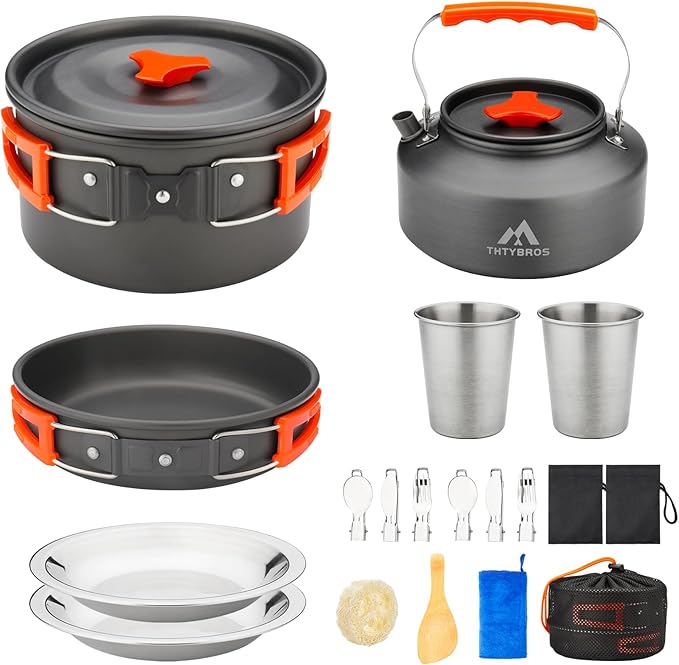
- Propane stove. Even with fire bans lifting, a stove cooks dinner faster than a fire and works under any wind that blows up after dark.
- 2 spare propane canisters; cold air thickens propane and slows the burn, so keep a canister in the tent overnight if temps drop near freezing. Skip butane stoves entirely this time of year; our guide to camp stove fuel in cold weather explains why.
- Smaller cooler than summer. A medium-size soft cooler often beats a 50-quart hard cooler in fall.
- 1 gallon of drinking water per person per day, plus extra for cooking and cleanup. Some campgrounds shut spigots off in late October to prevent freeze damage.
- Hot-drink supplies - coffee, tea, hot cocoa, instant cider. The morning kettle does as much for morale as the breakfast.
- One-pot dinners that go from cold cooler to hot bowl in 20 minutes. Three-course meals are not a fall idea.
Safety and comfort
- Headlamp per person, with fresh batteries; cold drains old batteries fast.
- Bright lantern for the picnic table; dinner by 5pm is cooked in the dark.
- Tarp and rope as a wind break on exposed sites - far more useful in fall than a canopy.
- Hand warmers - a $10 box covers chilly mornings and cold-foot tent nights.
- Bear box, food locker, or locked trunk for all food and scented items. Bears are eating 20+ hours a day in the fall and they remember campgrounds.
- First aid kit; cold weather hides minor injuries - a stubbed toe goes unnoticed until you take the boot off.
- NOAA radio or weather app - fronts move fast in October and November.
- Hunting calendar for the area; blaze-orange visibility if any unit is in firearm season.
The mistakes that wreck most first fall trips
These are the practical errors that send first-timers home a day early. Each one is fixable with one decision before you leave.
- Packing the summer sleeping bag. A 40°F bag at a 30°F night is a long, sleepless six hours - the exact regret first-fall trippers report afterwards, often after wearing every layer they brought and stuffing clothes inside the bag for warmth. The 20°F bag is the right call from late September through early November almost everywhere. Kids run colder than adults in the same tent, so build their setup warmer on purpose - see how to keep kids warm camping. For the full pad, bag, and bedtime setup for a night in the 30s, see camping in 30 and 40 degree weather.
- Sealing the tent up tight. The wet ceiling at dawn isn't a leaky tent - it's your breath condensing on the cold rainfly. Crack the door zipper an inch at the top and stake the fly off the inner body for airflow. A pack towel handles the morning wipe-down.
- Forgetting how early it gets dark. Set up by 4pm in October and 3pm after the November time change. Plan a one-pot dinner - three-component meals don't survive cooking by headlamp with cold hands. Lighting the site and filling the long evening is its own job; see camping after dark with kids. This bites hardest on an event weekend with a fixed evening schedule, like Halloween camping with kids.
- No real puffy. A hoodie is for shoulder season; the puffy is the warm layer that lets you sit at the picnic table after dinner instead of giving up and going to bed at 7pm. If you've never tested cold-night layering, run a backyard test on a 35°F night before committing to a state park trip.
- Booking peak-foliage weekend two weeks out. Mid-October in New England, the Smokies, and the upper Midwest fills 2-3 months in advance. Mid-week is wide open if your schedule allows; otherwise either book early or shift the dates a week. Or head somewhere that peaks later: color in the Ozarks usually runs into early November, so see camping in the Ozarks for beginners if you missed the northern window.
- Cotton anywhere. Cold sweat is the fast lane to a miserable night. Synthetic or wool for everything that touches skin - including the t-shirt under the base layer.
- Skipping the hunting check. Many state forests, national forests, and BLM lands allow firearm hunting in October and November. Check the unit, wear blaze orange on trails, and pick a campground that doesn't share its access road with hunters at dawn. Our guide to camping during hunting season with kids walks through which public land allows hunting and how to read a state season calendar.
- Sleeping with food in the tent. Bears in October are eating 20+ hours a day to put on winter weight, and they remember campgrounds. Bear box, locker, or trunk - every wrapper, every snack, every tube of toothpaste. Our guide to camping in bear country with kids has the full list of what counts as a scented item and the three rules worth teaching kids.
A starter setup that actually works
Don't overthink gear for trip one. This is a working starter kit - proven, mid-range, and simple. Fall rewards a warm bag, a serious pad, and good lighting more than any fancy stove or shelter.
- Tent. Coleman Sundome 4-Person (~$68). 9×7 ft floor, full-coverage rainfly, weatherproof seams. Sets up in under 15 minutes the first time.
- Sleeping bag. Coleman Brazos Sleeping Bag (~$54). Roomy fit, cool-weather rated. Add a liner - or upgrade to a 20°F bag - for late-October nights.
- Sleeping pad. Big Agnes Divide UnInsulated Pad (~$100). Self-inflating, packs small, easy to set up.
- Stove. Coleman 1-Burner Propane Stove (~$40). Boils water fast in the cold, works in wind, no learning curve in the dark.
- Cooler. Coleman Classic Rolling Cooler 100QT (~$107). Ice lasts twice as long in fall - the wheels still matter for the load-in from the parking pad.
- Lighting. LuminAID Titan 2-in-1 Solar Lantern (~$75). The most-used piece of gear after the time change. One on the picnic table, one in the tent.
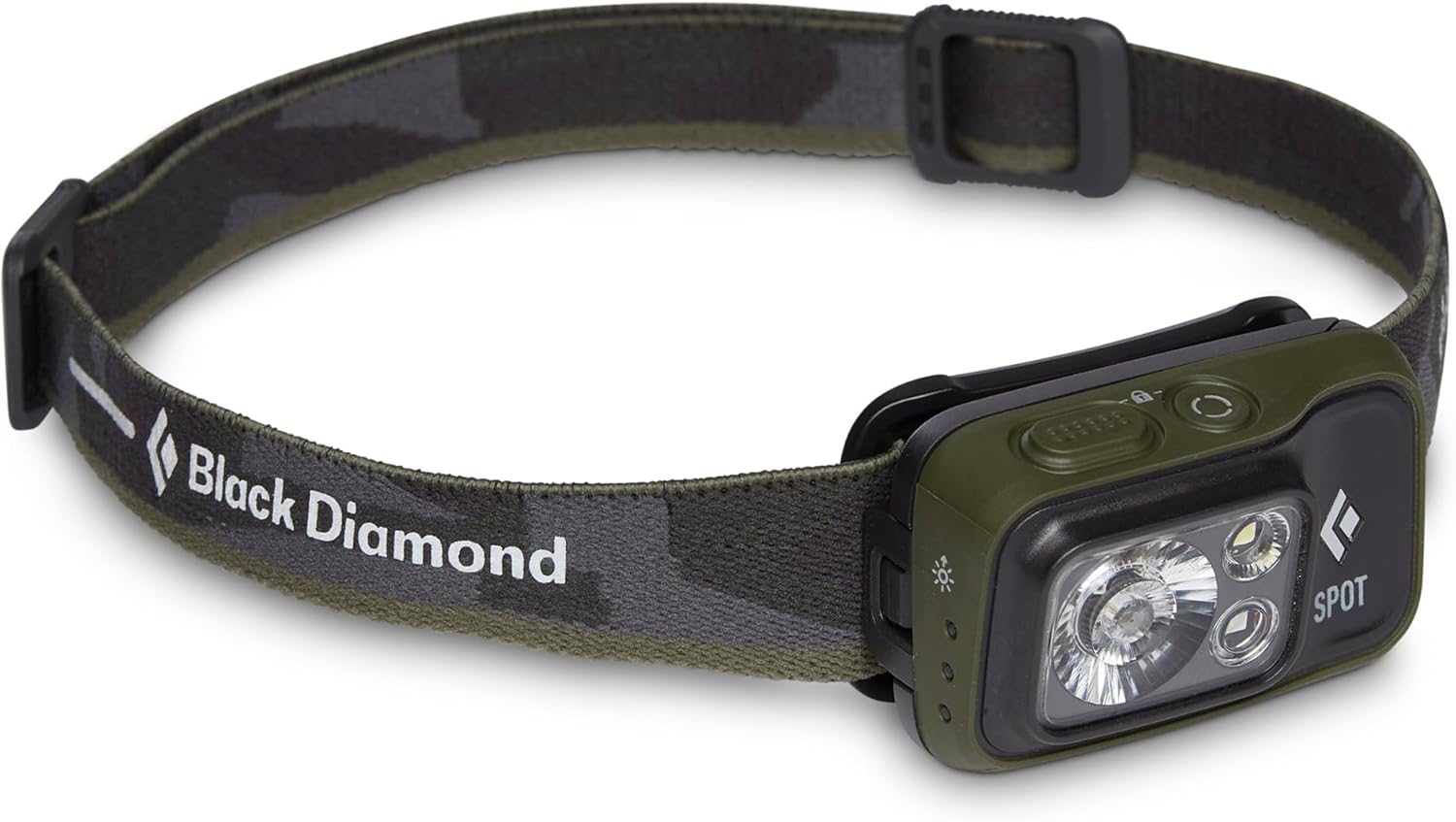
- Headlamp. Black Diamond Spot 400 Headlamp (~$60). One per person, no exceptions. Bring spare batteries - cold drains old ones fast.
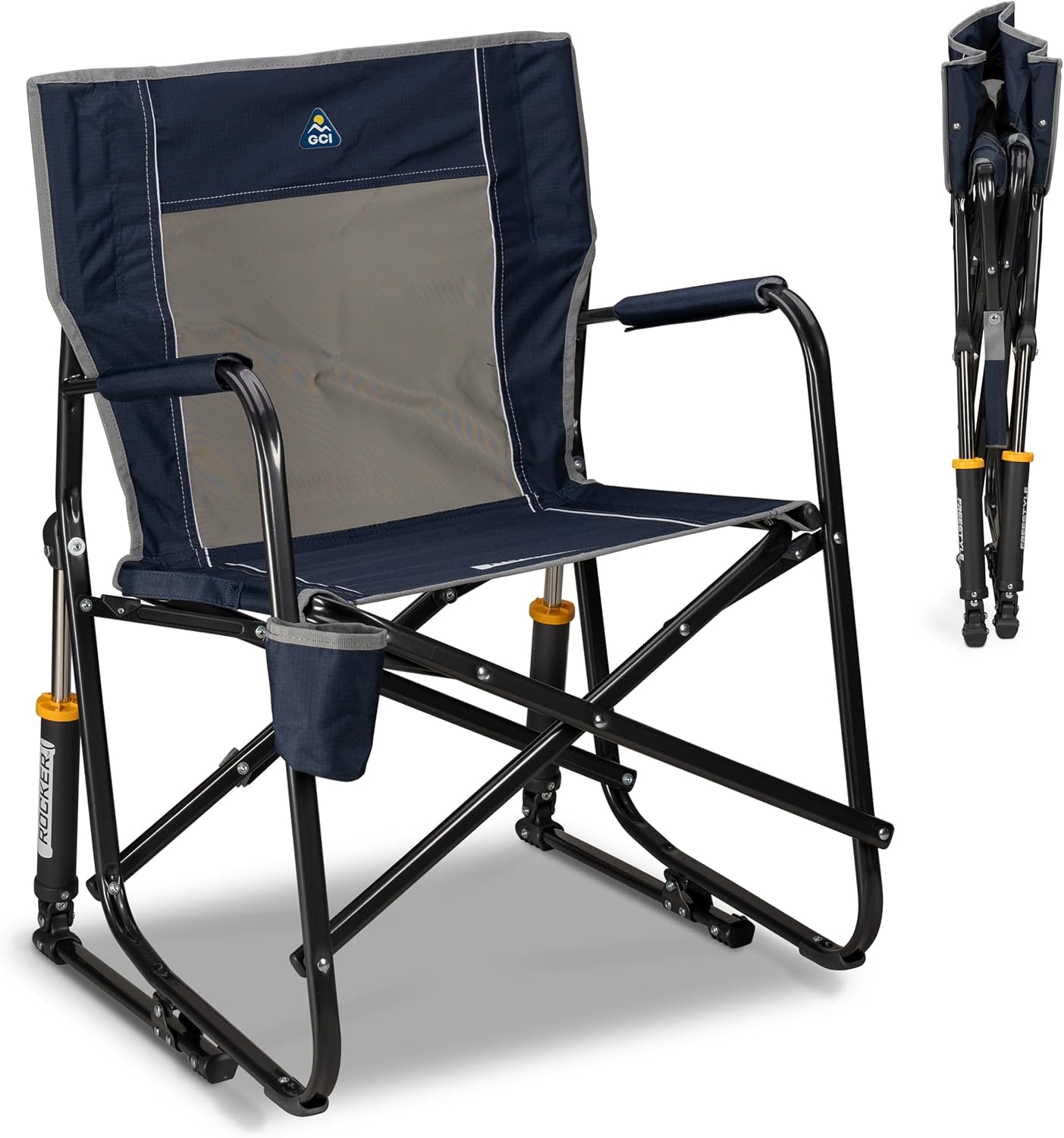
- Camp chair. GCI Outdoor Freestyle Rocker (~$80). The chair you'll actually sit in for an hour after dinner instead of going to bed at 7pm.
- Insulating layer. A real puffy jacket per person - brand-agnostic, but not a fleece. The puffy is the difference between camp evenings and tent evenings.
Where this fits in the plan
Fall is the season most rewarded by structure. Match your trip to a First Weekend Camp if you want a 2-night cooler-weather build, or take the 5-second quiz and we'll match a starter kit to your dates. If a cold front overshoots and the forecast tips below freezing, jump to winter camping for beginners for the cabin-first fallback. Camping right at the season's hinge over Labor Day specifically? See Labor Day weekend camping for the holiday-weekend specifics.
Frequently asked
Is fall a good season for first-time camping?
Yes - it's the most underrated season for beginners. Bugs are gone, daytime temperatures are comfortable, and crowds drop sharply. Pack like the night will be 20 degrees colder than the forecast and you'll be fine.
How cold does it get camping in October and November?
Most of the country sees lowland October lows in the high 30s to high 40s, with mountain sites dropping into the 20s. By mid-November, freezing nights are normal even at low elevation. A 20°F bag and an R-3 sleeping pad cover almost every fall trip.
Why is my tent wet inside in the morning when it didn't rain?
Condensation. Your breath meets the cold rainfly and turns to water on the ceiling. Vent the rainfly - leave the door zipper an inch open at the top, and stake the fly off the body of the tent for airflow.
When does sunset get early enough to matter?
After the early-November time change, sunset drops to 5pm or earlier in much of the country. Plan to be set up by 4pm and cook dinner by headlamp.
Do I need to wear blaze orange while camping in fall?
In any state or unit that allows hunting on or near the campground, yes. Even at non-hunting parks, a blaze-orange hat or vest while walking trails in October and November is cheap insurance - required by law in some states during firearm seasons.
Are bears more aggressive in fall?
Bears aren't more aggressive but they're more food-motivated. They eat 20+ hours a day in the fall to put on winter weight. Use the bear box, lock food in the trunk, and never sleep with food or scented items in the tent.
Are fires usually allowed in fall?
Usually yes. Most western fire bans lift after the first hard rain or freeze in late September or October. Confirm with the campground page or state forestry site the week before, and bring a propane stove either way.