Packing
What Not to Bring Camping: 15 Things to Leave Home
Every packing list tells you what to add. This one tells you what to take out: the things that break rules, cause trouble, or just fill the car and make every setup and pack-out slower.
By William Blacklock · Last updated October 2026



This is the counter-list to our weekend camping packing list. Use that list to make sure the essentials are in the car, then use this one to take things out.
Against the rules (or the law)
1. Firewood from home
Firewood is one of the main ways tree-killing insects and diseases move around the country. Pests like the emerald ash borer cannot travel far on their own, but they can ride hundreds of miles in a trunk, and new infestations are often found first in campgrounds. Many parks and several states restrict moving firewood. The rule of thumb from the Don't Move Firewood campaign is simple: buy it where you burn it.
Bring instead: cash for a bundle at the campground or a nearby store, plus a reliable way to light it, such as UCO Stormproof Match Kit or Esbit Fire Starter Cubes. Local wood is sometimes damp, and a good starter matters more than the wood. See how to start a campfire.
2. Fireworks
Fireworks and other pyrotechnics are always prohibited on national forest land, and the Forest Service treats violations seriously, with fines and possible jail time. They are not allowed in national parks either. Other campgrounds set their own rules, but plan on a no, especially in a dry season or during a burn ban.
Bring instead: glow sticks. A bulk pack of PartySticks Glow Sticks, 100-Pack lights up an evening for kids with no fire risk at all.
3. A drone, if you are headed to a national park
The National Park Service has prohibited launching, landing, or flying drones on the land and water it manages since 2014, with only limited permitted exceptions. State parks and national forests set their own rules, so check before you pack one. Even where flying is legal, a buzzing drone over a full campground is one of the quickest ways to annoy your neighbors.
A safety problem
4. A fuel-burning heater for inside the tent
Propane heaters, camp stoves, charcoal, and fuel lanterns all produce carbon monoxide, which you cannot see or smell, and a tent lets it build up while everyone sleeps. Do not plan on heating a tent with any of them. The honest options are covered in tent heater safety.
Bring instead: a warmer sleep system. A closed-cell foam pad such as the Therm-a-Rest Z Lite Sol Foam Sleeping Pad under your usual pad does more for a cold night than most heaters, and a box of hand warmers covers cold fingers in the morning. For a cold forecast, read camping in 30 and 40 degree weather.
5. Food and scented toiletries in the tent
You will bring snacks, toothpaste, and sunscreen, but they do not belong in the tent overnight. Animals from raccoons to bears follow their noses, and in bear country many campgrounds require all food and scented items to be locked in a car or a food locker. Check the rules where you are staying, and see camping in bear country with kids for the full routine.
6. Glass bottles and jars
Glass breaks on picnic tables, rocky tent pads, and cooler lids, and broken glass in the grass is a real hazard for kids and dogs walking around barefoot or in sandals. Some parks, beaches, and rivers ban glass containers outright.
Bring instead: cans, plastic jars, and reusable bottles. Decant sauces and condiments into small plastic containers at home.
7. Cotton as your warm layer
Jeans and a cotton hoodie feel fine at 4 p.m. and miserable at 10 p.m. Cotton soaks up sweat, dew, and campfire-side drizzle, and it stops insulating once it is damp. A cotton T-shirt on a warm afternoon is fine. Cotton as the thing that keeps you warm at night is not.
Bring instead: a fleece or synthetic jacket, a warm hat, and a dry set of synthetic or wool layers kept just for sleeping.
8. Gear you have never set up
A tent pitched for the first time in the dark, a stove whose fuel fitting does not match, an air mattress with a slow leak, or brand-new boots on a long hike are some of the most common ways a first trip goes sideways. It is the second item on our list of first-time camping mistakes for a reason.
Bring instead: the same gear, after one practice run. Pitch the tent in the yard, boil a pot of water on the stove, and sleep one night on the pad. A backyard campout covers all three at once.
Just too much
9. A full outfit for every day, plus spares
Clothes are the most overpacked category on almost every family trip. For a weekend, each person needs what they wear on the drive, one change of clothes, a warm layer, rain gear, a dry set for sleeping, and extra socks. Socks and underwear are the only things worth doubling.
10. Every pot in the kitchen
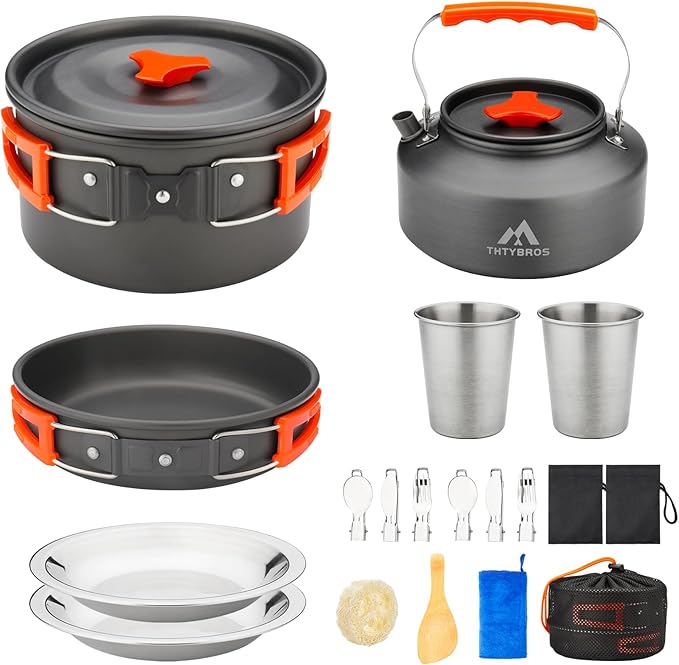
A camp kitchen needs one pot, one pan, a spatula, tongs, a knife, a cutting board, and plates and utensils for everyone. The waffle iron, the extra mixing bowls, and the third frying pan make cleanup the longest job of the trip. Plan meals that use one pot or one pan, like the ones in easy family camping meals, and pack a compact set such as the THTYBROS 17-Piece Camping Cookware Mess Kit.
11. A bin of toys and screens
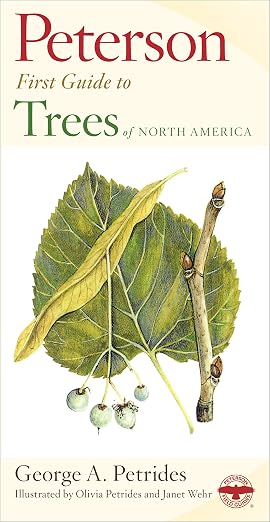
Kids at a campsite play with sticks, rocks, dirt, and each other for hours. The bin of toys from home gets scattered, lost under the tent, or ignored. Bring a few open-ended things instead: a deck of cards, a ball, a pocket tree guide, and a set of roasting sticks. Our camping activities need almost nothing at all.
12. Valuables and jewelry
Rings get lost in the grass, watches get scratched on rocks, and a laptop has no good place to live in a tent. Leave jewelry and anything irreplaceable at home, and lock the few things you do bring, like wallets and car keys, in the car when you leave the site.
13. A generator or a big speaker
Many campgrounds ban generators in tent loops or limit them to a few hours a day, and quiet hours, commonly 10 p.m. to 6 a.m., apply to music too. The noise also carries much farther across a quiet campground than you expect.
Bring instead: a Anker Zolo Power Bank, 20,000mAh for phones and headlamps, and a solar lantern for the picnic table.
14. One big flashlight for the whole family
The single family flashlight is always in the wrong person's hand. Everyone needs their own light, especially kids walking to the bathhouse after dark.
Bring instead: a headlamp per person. A EverBrite LED Headlamp, 5-Pack costs about the same as one premium headlamp.
15. Disposable everything
Paper plates blow away, plastic cutlery snaps, and a weekend of single-use items fills a trash bag that you then have to store away from animals and carry out. Reusable plates and cups wash in a minute and pack flat. If you do bring disposables, bring a lidded collapsible trash can so the trash does not end up spread across the site overnight.
A quick way to edit your pile
Before loading the car, lay everything out by category and ask one question about each item: will we definitely use this, and is there nothing else that does the same job? If the answer is not a clear yes, it stays home. The first camping trip checklist is deliberately short for the same reason, and the family camping gear list shows what is worth buying when you are building a kit from scratch.
Frequently asked
What should you not bring camping?
Firewood from far away, cotton as your warm layer, glass, fireworks, a drone for a national park, valuables, untested gear, fuel-burning heaters for inside the tent, and more clothes, toys, and kitchen gear than you will use.
Can you bring your own firewood camping?
Usually not from far away. Firewood can spread invasive insects, and many parks and several states restrict moving it. Buy it at or near the campground.
Can you fly a drone at a campground?
Not in a national park, where drones have been prohibited since 2014 apart from limited permitted exceptions. Other public land sets its own rules, so check first.
Are fireworks allowed at campgrounds?
Not on federal land: they are always banned on national forest land and not allowed in national parks. Other campgrounds set their own rules, but expect a no.