Gear
Family Camping Gear List
The real list - not 200 items. What a family of four actually needs for a car camping weekend, organized by priority.
By William Blacklock · Last updated April 2026


The complete family car camping list
Everything below is sorted by how much it actually matters, not by what a gear catalog wants to sell you. If the total is the sticking point, family camping on a budget works the same list from the other direction: what to borrow, what to buy used, and what to buy new for a setup under $300.
Shelter - the non-negotiables
- Tent, sized one category up from your headcount. Family of 4 = 6-person tent. Family of 5 = 8-person tent. See the best family tent for beginners guide for specific picks.
- Sleeping bags, one per person. Rated at least 10°F below the coldest forecast night. Kids need kid-sized bags - adult bags are too long and don't retain warmth properly for children's smaller bodies.
- Sleeping pads or air mattresses, one per person. Ground insulation matters more than sleeping bag rating for temperature. A foam pad ($15-25) works fine. A self-inflating pad is more comfortable. A queen car camping air mattress covers two adults.
- Tent footprint or tarp (optional but recommended). Placed under the tent floor, it extends tent life significantly by protecting the floor from ground debris.
Cooking
- Two-burner propane camp stove. The most important cooking piece. Cook coffee and bacon simultaneously. Coleman two-burner is the standard starting point at $50-80.
- Propane fuel canisters. Bring one 16oz canister per two days of cooking. Green Coleman 1lb canisters are available at any hardware store or Walmart.
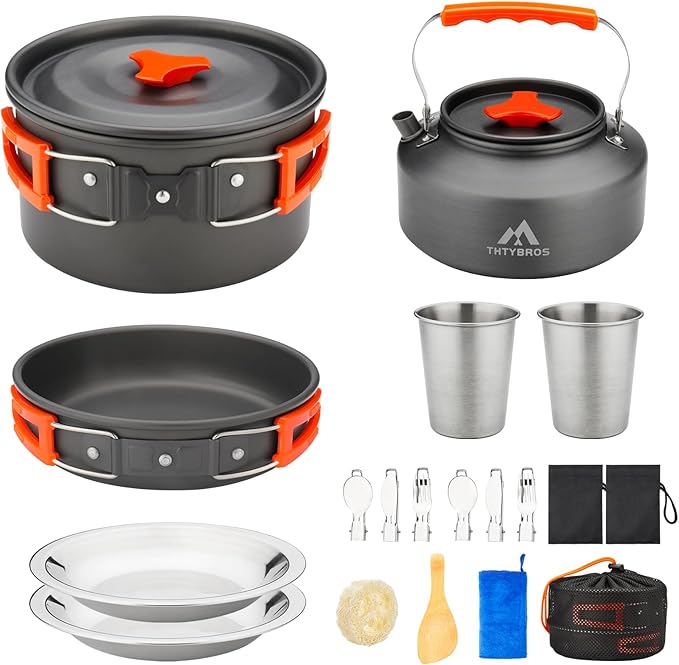
- Camp pot (2qt or 3qt). For boiling water, pasta, hot chocolate, and soups.
- Camp skillet (10-inch). For eggs, bacon, and anything you would do on a stovetop burner.
- Spatula, tongs, and a ladle. Covers nearly all camp cooking operations.
- Plates, bowls, and utensils for every person. Stainless steel or durable plastic camp sets work well. Bring one extra set.
- Cups or mugs. Insulated camp mugs keep coffee hot and keep small children from burning themselves.
- Can opener and multi-tool. You will need these eventually. Pack them.
- Cutting board and camp knife. One small board and a sharp knife handle most camp food prep.
- Cooler, 50qt minimum for a family of 4. See the family camping meals guide for cooler management tips.
- Small wash basin, biodegradable dish soap, and a dish towel. For washing dishes away from water sources.
- Aluminum foil. For foil packet meals and improvised cooking.
- Resealable plastic bags in multiple sizes. For food storage, keeping dry items dry, and organizing small gear.
Lighting
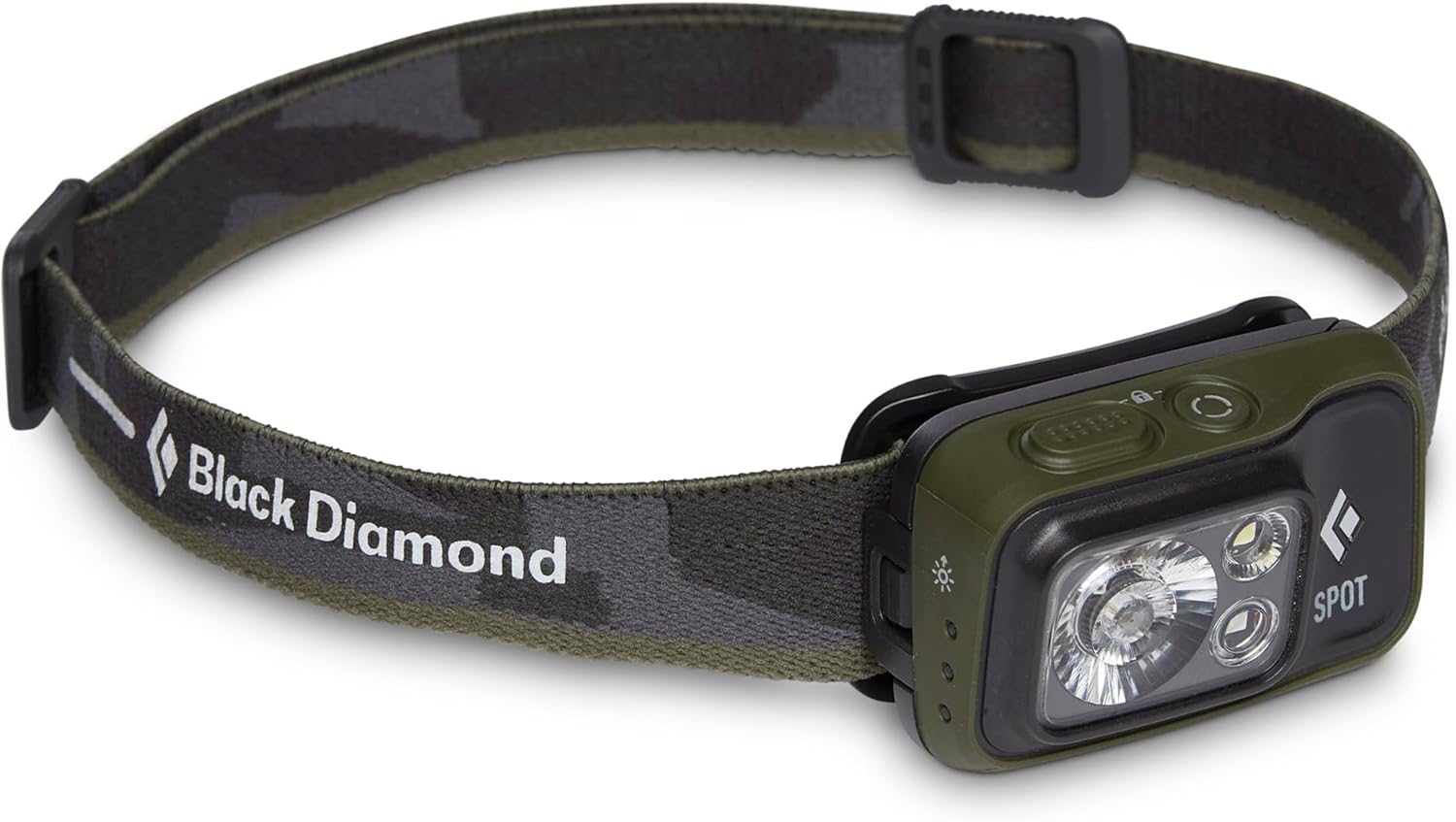
- One headlamp per person, plus two spares. Headlamps go missing in tents. Every person needs their own. Kids' headlamps with a red-light mode don't wake sleeping siblings. Buy 2-3 extra budget headlamps as spares.
- Camp lantern. For the picnic table and tent interior. LED lanterns run for days on D-cell batteries and are safer around kids than propane lanterns. One or two per family.
- Spare batteries. For headlamps and lantern. Pack them even if everything is fully charged.
Safety and comfort
- First aid kit. At minimum: bandages in multiple sizes, antiseptic wipes, antibiotic ointment, tweezers (tick removal), moleskin (blisters), ibuprofen and children's acetaminophen, and any family-specific medications. Pre-packaged camp first aid kits are fine and save time.
- Bug spray. DEET (30% for adults, lower concentration for kids) or picaridin for tick country. Permethrin spray for treating clothing adds another layer of protection.
- Sunscreen. SPF 30+ for adults, SPF 50 for kids. Reapply every 2 hours outside.
- Camp chairs, one per person. Kids sit more and fight less when they have their own chair. Lightweight folding chairs pack flat. Budget $20-30 per chair.
- Camp table (if your site doesn't have a picnic table, or to supplement one). Folding camp tables are heavy but add significant setup quality.
- Camp rug or outdoor mat. Placed in front of the tent door, it catches dirt and mud before it enters the tent. A $15 outdoor mat from a hardware store extends the life of your tent floor.
- Portable battery pack. For phone charging and emergency lighting. A 10,000 mAh pack charges 2 phones and a headlamp.
Hygiene and cleaning
- Biodegradable hand soap. For camp hand washing. Squirt bottle preferred over bars, which get gritty.
- Hand sanitizer. Before handling food when a sink isn't nearby.
- Toilet paper and a trowel (if your site doesn't have flush toilets). Even with flush toilets nearby, having your own is good practice.
- Small personal towels per person. Microfiber camp towels pack small and dry fast.
- Wet wipes. For quick cleanups, kid face-washing, and the morning when the water is too cold to care about using the spigot.
- Trash bags. Pack out everything. Bring more than you think you need.
- Bear canister or bear bag if required in your area. Most car camping sites in bear country have a bear box - know before you go.
Camp kitchen extras
- Camp coffee setup. A percolator for the stove, an AeroPress, or a Moka pot. Coffee made at camp tastes better than coffee at home - this is a documented phenomenon with no scientific explanation.
- Cast iron skillet (optional on trip one, irreplaceable later). For campfire cooking, cast iron distributes heat evenly and goes from fire to table. Heavy but durable for decades.
- Grill grate (check if your site has one - most state park sites do). A portable camp grill grate lets you cook over the fire regardless of what's built into the site.
What to skip on trip one
- Camp kitchen organizer systems
- French press or elaborate coffee setups
- Camp hammocks (always a conflict over who gets in)
- Camping-specific dishware sets with matching cups and plates
- Camp shower setups (use the facilities at the campground)
- Generator or camp fans (unless camping with a toddler in summer heat)
- Anything sold as “camp organization”
Clothing for family camping
Camp clothing is layering more than specific gear. The system that works for most families:
- Base layer: Long underwear top and bottom for every person (kids included). Worn sleeping in cold weather or under everything else when layering.
- Mid layer: Fleece or down jacket. The primary warmth layer. Everyone needs one, even on summer trips.
- Outer layer: Rain jacket per person. Waterproof and breathable. Also serves as a windbreaker on cool mornings.
- Camp shoes: Something easy to slip on for bathroom trips - Crocs, sandals, or slip-on sneakers. You do not want to lace up full shoes at 2am.
- Wool or synthetic socks: Cotton socks get wet and stay wet. Two pairs of wool or synthetic hiking socks per person.
- Beanie and gloves for every person. Even in summer, early mornings at elevation can be cold. Kids in particular lose body heat faster than adults.
Budget breakdown for a family of 4
- 6-person tent: $100-130 (Coleman Skydome or similar)
- 4 sleeping bags (2 adult, 2 kid): $150-250 total
- 4 sleeping pads: $60-160 total
- Two-burner stove: $50-80
- 50qt cooler: $40-80
- Cookware set: $40-60
- 4 headlamps: $30-60 total
- Camp lantern: $20-40
- 4 camp chairs: $80-120 total
- First aid kit: $20-30
- Miscellaneous (bags, soap, wipes, foil, trash bags): $30-50
Total for a complete new setup: $620-1,000. You can reduce this significantly by borrowing a tent or sleeping bags from friends, buying sleeping bags at end-of-season sales, or using an air mattress you already own.
Where to buy family camping gear
- REI - high quality, good return policy, rental program for trying before buying, and an annual dividend if you become a member. Best for sleeping bags and sleeping pads where quality matters.
- Walmart or Target - Coleman gear is widely available and reliable for tents, stoves, and lanterns at much lower prices than REI. Good for trip one.
- Amazon - useful for specific items where reviews are dense enough to make confident choices. Avoid no-name tents and sleeping bags.
- Facebook Marketplace or garage sales - camp gear depreciates heavily once it has been used. Used Coleman gear from someone who “tried camping once” is often a good find.
Frequently asked
What gear do I need for camping with a family?
Tent (one size up from headcount), sleeping bags rated 10°F below forecast low, sleeping pads, two-burner stove, cooler, headlamps for every person, and a camp lantern. That's the complete minimum.
How much does it cost to gear up for family camping?
$300-500 buying entry-level gear strategically. More if you want quality sleeping bags and a comfortable tent. Less if you borrow or buy used.
Can you rent camping gear for a family?
Yes. REI rents tents, bags, pads, and stoves at most locations. Renting makes sense before you know camping is a regular habit.