Mistakes
First-Time Camping Mistakes
We've watched a lot of first trips go sideways. Here are the 12 most common, most avoidable mistakes - and what to do instead.
By William Blacklock · Last updated April 2026


1. Arriving after dark
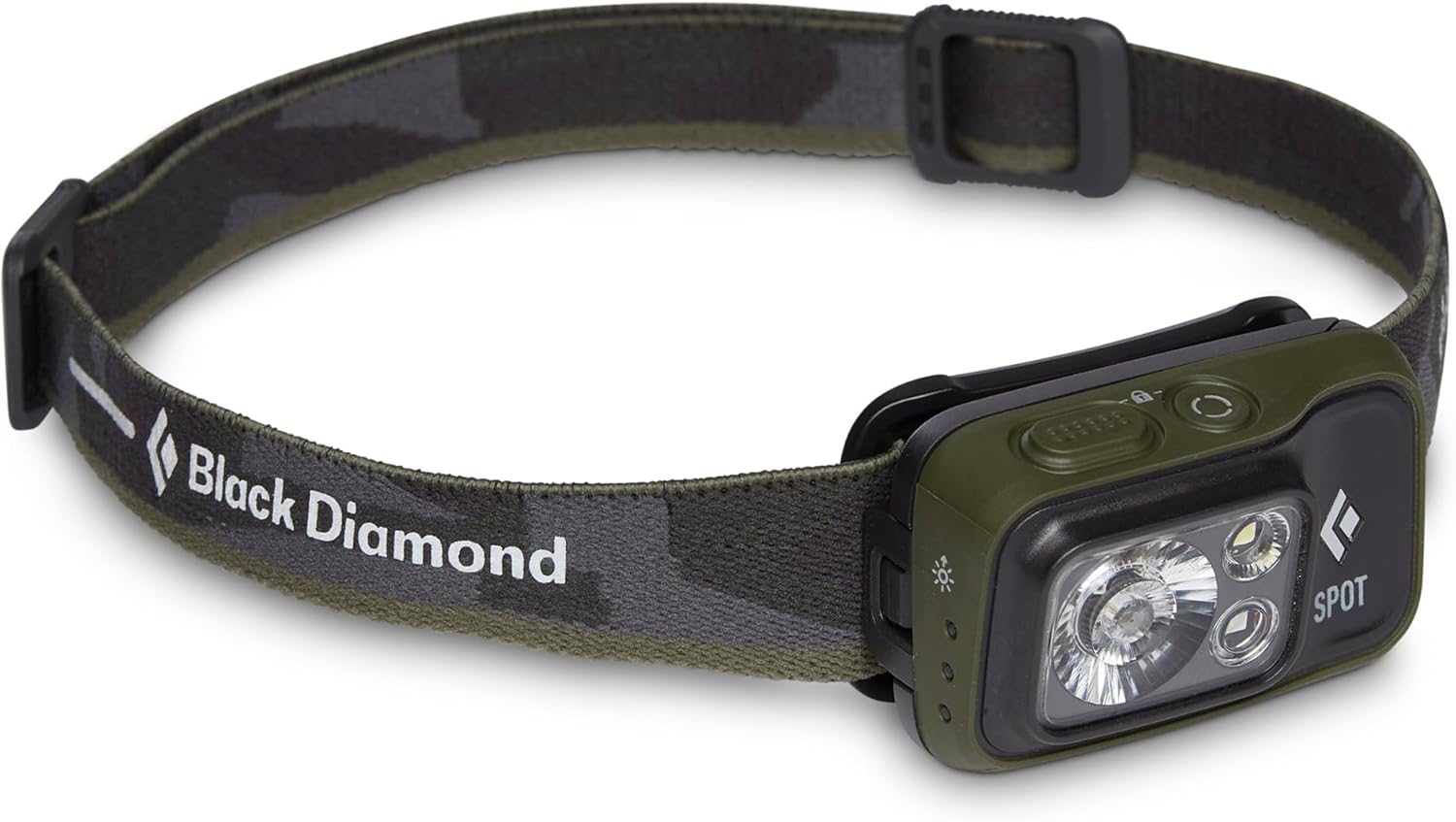
Setting up a tent in a headlamp beam while hungry kids cry in the car is a uniquely American horror. Arrive by 3pm. That means leaving in the morning.
2. Not testing gear at home first
That tent you bought two years ago at a Costco sale? Pitch it in the backyard. Pole might be snapped. Rainfly might be missing. You want to learn this in your driveway, not at dusk in the woods. Run a full backyard tent test the weekend before - it surfaces missing pieces while the kitchen is still 30 feet away.
3. Overpacking
More gear ≠ more comfortable. It means more time setting up, more time breaking down, more stuff getting wet, more stuff getting lost.
4. Underpacking warm layers
Nights are 15-20°F colder than the daytime high. Everyone brings a fleece and a beanie. Everyone.
5. Booking too far from home
First trip? Under 90 minutes. Bail-outs need to be easy. Save the dramatic scenery for trip four.
6. Booking two nights
One night for the first trip. You learn what works, what doesn't, and you get to go home. Two nights when something's going wrong is a punishment.
7. Complicated meals
Skip the cast-iron dutch oven bread. Eat hot dogs, pasta, foil-packet dinners. Your job at camp is not to plate food - it's to feed people before they melt down.
8. Ignoring the weather
First trip: wait for a dry, mild forecast. Camping in the rain is a skill; first trips are not where you build it.
9. No plan for kids
"They'll just play" is a myth at unfamiliar campsites. Bring activities. Plan three per day. The full playbook lives in camping with kids for the first time.
10. Forgetting the boring essentials
Trash bags. Toilet paper. Lighter. Dish soap. These are the things you'll drive an hour back into town for.
11. Unpacking everything immediately
Set up the tent. Set up sleep. Then cook dinner. The rest can stay in the car. You don't need the spice rack deployed.
12. Planning it all yourself from scratch
This is the mistake that causes the other eleven. The details are solved - campsite distance, gear list, meal plan, kid activities, weather-aware layers. Use a template. Take the 5-second quiz and we'll match a starter plan to your dates and party size. Edit it to fit your family. Go.
The quiet mistakes nobody warns you about
The 12 above are the obvious ones. There's another tier of errors that don't ruin the trip outright but quietly drain the fun:
- Parking the car facing the wrong way. Always back in. Trunk access matters 20 times a day.
- Pitching the tent on a slope. Even a gentle slope has you sliding off the pad all night. Use a level app on your phone.
- Leaving food in the tent. Mice and raccoons will find it. Food lives in the cooler or the car.
- Wearing cotton. Cotton holds sweat and cold. Synthetic or wool for base layers. Always.
- Not checking the fire ban status. Many parks ban campfires in summer. Check the state's fire restrictions page the week before.
- Forgetting a can opener. Chili in a can with no opener is a quiet tragedy.
- Leaving the rainfly off “because it's clear tonight.” Dew soaks the tent by morning. Rainfly goes on, always.
- Burning everything in the fire pit. Plastic, foil, foam - these create toxic smoke you're breathing. Trash goes in the dumpster.
What to do when things go wrong (and they will)
A first trip always has at least one thing go sideways. What distinguishes a good trip from a bad one is how you respond:
- Tent pole snaps: duct tape it to a stick. Tape lives in the first aid bag.
- Stove won't light: cook over the fire grate or go into town for a camp meal. Don't waste 90 minutes troubleshooting.
- Air mattress deflates: sleep on the bare pad. Or sleep in the car. Mattress is a comfort, not a necessity.
- Heavy rain starts: get everyone in the tent, zip up, eat snacks, play cards. It passes.
- Kid is miserable and won't stop crying: go home. No lesson is worth it. Try again in a month.
The through-line: have a bail-out plan. The trip ends when it ends. A short successful trip beats a long miserable one every time.
The mindset mistakes (harder to see, bigger impact)
The tactical mistakes above are easy to fix. These are harder because they feel like virtues at the time:
- Trying to “do camping right.” There's no right. Car camping with hot dogs and a tablecloth is camping. So is minimalist backpacking. Pick the easiest version.
- Treating it as a test of your family. It isn't. If the kids cry, the trip isn't failing - it's just a kid crying. They do that at home too.
- Buying your way to confidence. $800 of new gear doesn't make you better at camping. Going camping makes you better at camping.
- Comparing to Instagram camping. Those photos are a 15-second slice of a 48-hour trip, 90% of which was logistics and dirt. Your reality is normal.
- Needing it to be perfect. A trip that was 70% fun is a great trip. Nothing will be 100%.
The goal isn't a flawless first trip. The goal is a second trip. Everything gets easier once you've done it once.
Frequently asked
What is the biggest first-trip mistake?
Arriving after dark. Tent setup and dinner prep in the dark with hungry kids is the top trip-wrecker.
What gear should I test before I go?
Tent, stove, headlamps, air mattress. These four cover most gear failures.
Is it okay to cancel for weather?
Yes. Reschedule. First trips don't need to be an endurance test.
How many nights for a first trip?
One. Maybe two if conditions are perfect.
What food mistakes are most common?
Overambitious meals, too few snacks, unfamiliar food. Keep it boring and plentiful.
Should I tell the ranger it's my first trip?
Yes. Every campground host and ranger we've met is happy to help first-timers - they'd rather answer questions at check-in than respond to problems at 11pm. Ask about the fire policy, the nearest store, and whether there's a site you should avoid.
What's the most common injury at a family campground?
Burns from the fire pit or the stove, and lacerations from folding chair hinges. Not wildlife. Not scary falls. Brief the kids on both hazards explicitly and keep a proper first aid kit at the top of the car trunk.