Winter
Warm Winter Camping Destinations for Families
You do not have to sleep in the snow to camp this winter. Here is where it stays mild from December through February, what each region is really like at night, and how to get a site before they are gone.
By William Blacklock · Last updated November 2026


Why winter is peak season in the warm states
Summer camping in Florida, south Texas, and the low desert means heat, humidity, storms, and bugs. Winter flips all of that. The same parks that are nearly empty in August are at their best from roughly November through March, which is why snowbirds and northern families head south when the campgrounds back home close.
The catch is that everyone else knows this too. Treat a warm winter campsite the way you would treat a summer weekend at a famous national park: book far ahead, plan around holiday weeks, and keep a backup list. If you are planning around the holidays specifically, our winter break camping with kids guide covers how to plan a trip around Christmas and New Year's.
Florida: the easiest warm winter trip
Florida is the most forgiving choice for a first winter trip, especially from central Florida south. Days are often in the 70s, the humidity drops, and the worst of the mosquito season is over. State parks with spring-fed swimming holes, quiet bay-side campgrounds, and beach parks all work well. North Florida and the Panhandle get real cold fronts, though, and a night in the 30s is not unusual there in January.
The Keys and the most famous beach parks are the hardest sites in the state to get in winter. Inland parks around lakes, rivers, and springs are easier to book and often just as pleasant. Our camping in Florida guide covers how the state park reservation system works and where the springs are.
The Gulf Coast: quiet beaches, cool evenings
The coast from Alabama through the Florida Panhandle to Texas is quiet in winter. Large beach parks such as Gulf State Park in Alabama and the Fort Pickens area of Gulf Islands National Seashore stay open, and you trade summer crowds for wide empty beaches. Expect mild days and cool, often windy nights. The water is too cold for most kids to swim, so plan the trip around shelling, birding, bike paths, and campfires.
Sand and wind are the two practical issues. Standard tent pegs pull straight out of soft ground, so pack long sand stakes such as the Tesorrio aluminum sand stakes and stake out every guy line. Pitch with the narrow end of the tent toward the water, where the wind usually comes from.
South Texas: Big Bend and the Padre Island coast
Texas has two very different warm winter options. Big Bend National Park in far west Texas has its busy season in winter and spring, when the low desert along the Rio Grande is comfortable for hiking and the summer heat is gone. It is remote, a long drive from any city, and the higher campgrounds get cold at night. Padre Island National Seashore and the coastal state parks near Corpus Christi offer the beach version, with long drives on the sand and lots of birds.
Campground status in national parks changes, and some loops close for construction or maintenance, so check the park's official page before you book. Our camping in Texas guide covers the state park system and what to expect from region to region.
Southern Arizona: sunny days, cold desert nights
The Sonoran Desert around Tucson and Phoenix is one of the best winter camping regions in the country. Catalina State Park on the edge of Tucson and Lost Dutchman State Park near Phoenix are family favorites with saguaros right outside the tent, and Organ Pipe Cactus National Monument near the Mexican border is quieter and wilder. Days are often in the 60s and 70s with bright sun.
Nights are the surprise. Desert air is dry, so it gives up heat fast after sunset, and it is common for a warm afternoon to drop into the 30s by dawn. Sun is strong even in January, so pack kids' sunscreen such as Aveeno Kids SPF 50 and hats along with the warm sleeping bags. For more on the region, read camping in Arizona.
Southern California deserts: Anza-Borrego and Death Valley
The low deserts of southern California have their main season in winter. Anza-Borrego Desert State Park, east of San Diego, has a developed campground near Borrego Springs and huge open desert for exploring. Death Valley National Park is too hot for family camping much of the year, but in winter its valley floor campgrounds are mild during the day and full of things to see.
Joshua Tree National Park is popular in winter too, but it sits higher, in the Mojave Desert, and its campgrounds regularly fall below freezing on December and January nights. It is a great trip for families with real cold-night gear. If this is your first winter trip, start at a lower, warmer park. Our desert Southwest guide explains how elevation changes the weather from one park to the next.
Book early, and know the windows
The single biggest mistake with warm winter camping is waiting until December to look. Many federal campgrounds on Recreation.gov release sites on a rolling six month window, and state park systems set their own rules, some opening sites close to a year out. Christmas break, Martin Luther King Jr. weekend, Presidents Day weekend, and spring break go first.
- Look up the reservation window for each park on your list, not just the first one.
- Set a reminder for the morning the window opens and be ready a few minutes early.
- Midweek dates and inland parks are much easier to get than beach weekends.
- Check for cancellations in the last two weeks before your dates.
Our Recreation.gov reservation strategy guide walks through how release windows and cancellations work in practice.
Pack for 70 degree days and 35 degree nights
Warm winter trips need a split packing list: summer clothes for the afternoon and a cold weather sleep system for the night. Plan on these, even in Florida:
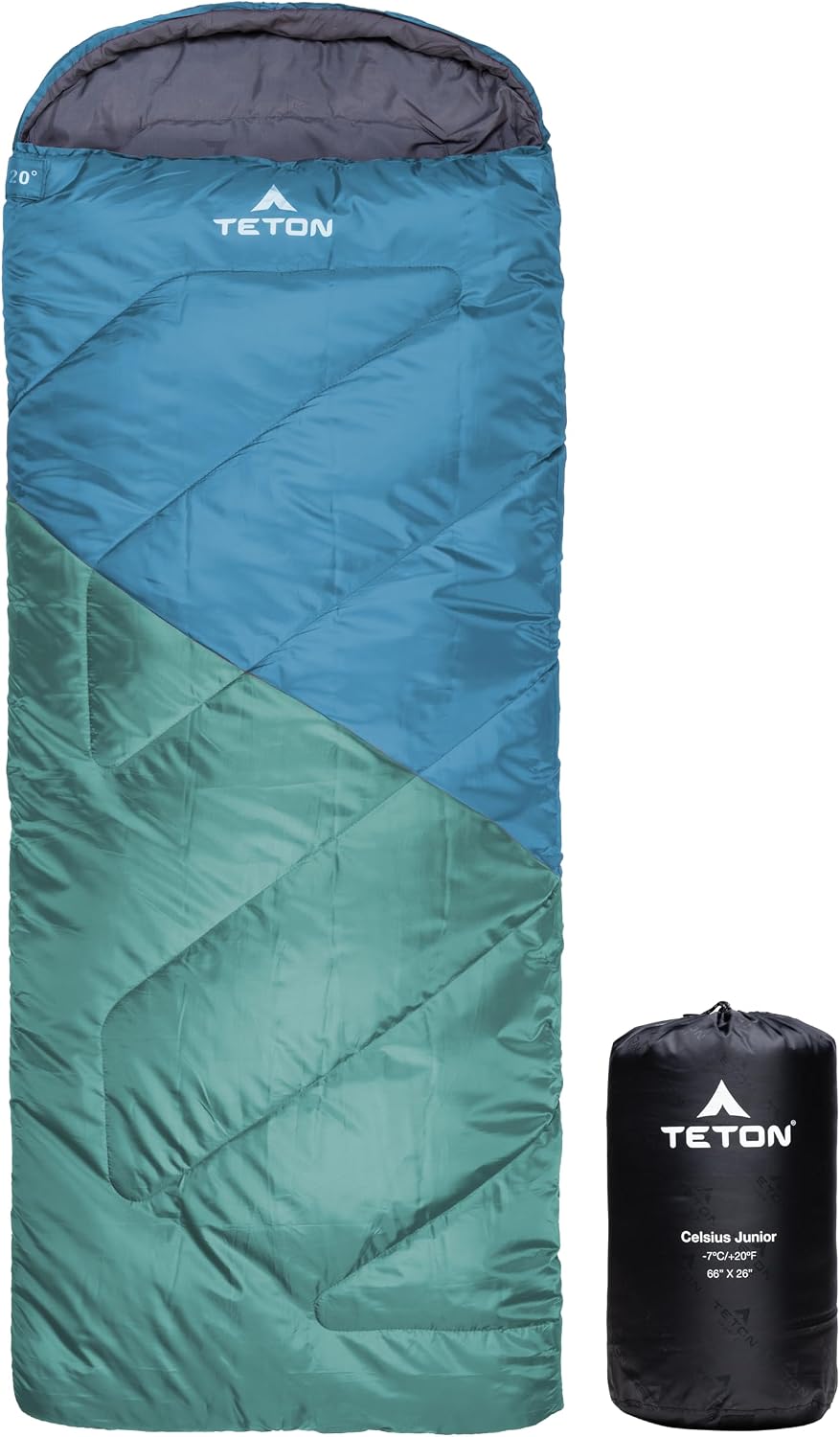
- Sleeping bags rated to about 20 degrees for kids. A kid-sized bag such as the TETON Sports Junior 20 keeps smaller campers from rattling around in a big adult bag and losing heat.
- A foam pad under every sleeper. Cold ground pulls heat out of you through the bottom of the bag. A closed-cell pad like the Therm-a-Rest Z Lite Sol adds warmth under an air mattress or on its own.
- Warm hats, a fleece, and dry socks for bed. Desert mornings start cold, and the sun takes an hour or two to warm things up.
- Shade and sun protection. Winter sun in the desert and on the beach is strong. A pop-up canopy such as the CROWN SHADES 10x10 gives kids a shady base for lunch, where the site allows one.
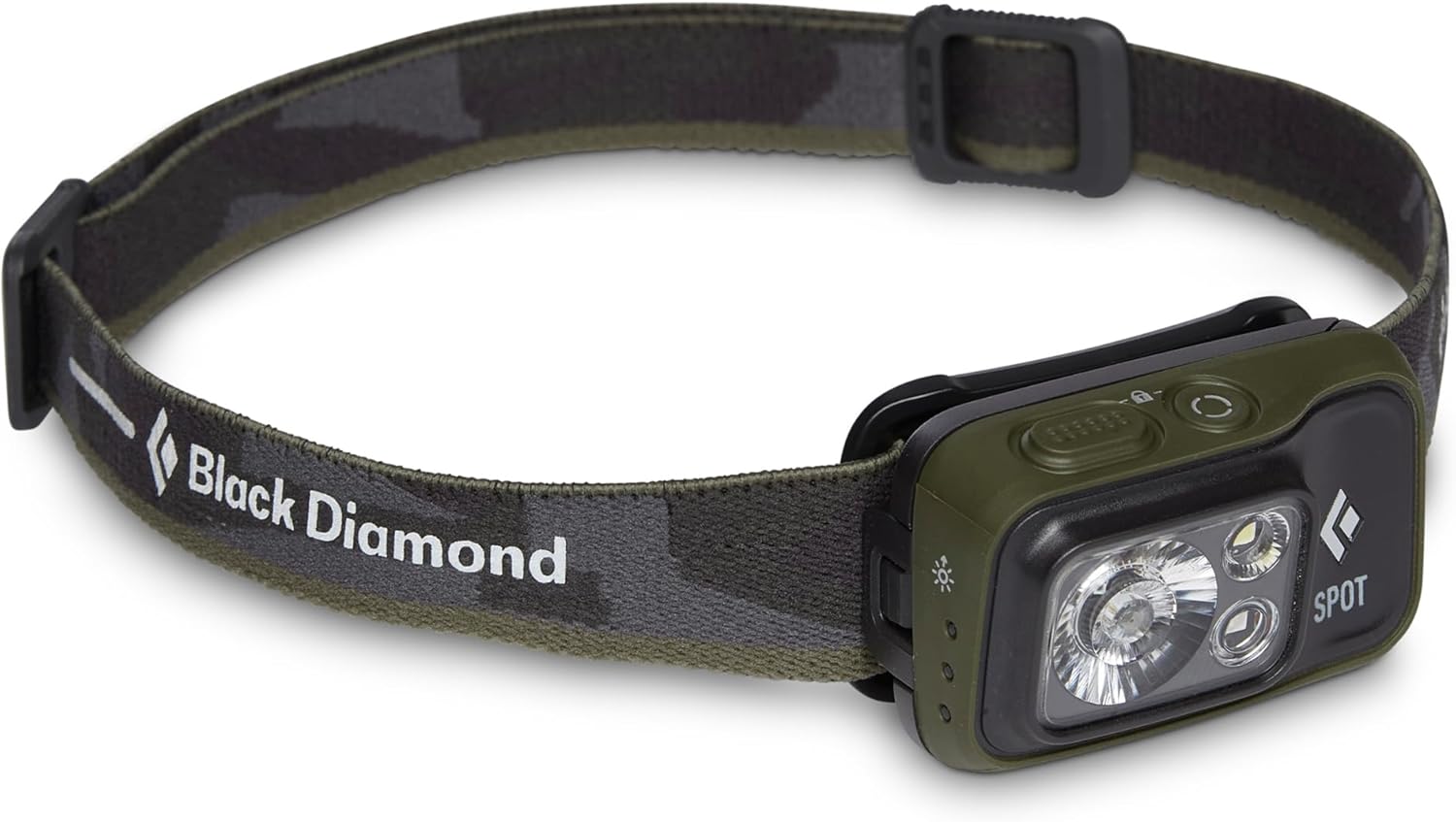
- A good headlamp for each person. It still gets dark early in winter, even in the South, so plan for long evenings. A bright light such as the Black Diamond Spot 400 helps with dinner and bathroom runs.
For a deeper look at keeping kids comfortable when the temperature drops after dark, see how to keep kids warm camping.
Plan the day around the short daylight
Even in the warm states, winter days are short, with sunset in the late afternoon or early evening. Arrive and pitch the tent before mid-afternoon, do your big hike or beach time in the warm middle of the day, and have dinner going before dark. Mornings are cold, so a hot breakfast and a slow start are part of the plan, not a delay.
Frequently asked
Where is it warm enough to tent camp in winter in the US?
Central and south Florida, the Gulf Coast, south Texas, the low Sonoran Desert around Tucson and Phoenix, and the southern California low deserts. Daytime highs are often in the 60s and 70s, but pack for cold nights anyway.
How cold does it get at night in the desert in winter?
Often into the 30s, and below freezing at higher spots such as Joshua Tree. Bring 20 degree bags for kids, foam pads, and warm hats.
When should I book a winter campsite in Florida or Arizona?
As early as the park allows. Winter is peak season, and holiday weeks fill first. Check each park's reservation window and book the morning it opens.
Is the beach a good place to camp with kids in winter?
Yes, if you expect fall weather. Gulf and Texas beaches are quiet and mild, but windy and cool at night, and the water is too cold for most kids. Bring sand stakes and warm layers.


