Desert Southwest
Camping in the Desert Southwest for Beginners
What to expect, what changes, and how to plan your first trip in Arizona, Utah, or New Mexico.
By William Blacklock · Last updated April 2026


What camping in the Desert Southwest is actually like
- Inverted season. Winter is prime - October through April is when the desert is gorgeous and usable. Summer is hot enough to be unsafe at lower elevations.
- Big day-night swings. 75°F afternoon, 38°F night is normal in October at Zion. Plan for both ends.
- Headline national parks. Grand Canyon, Zion, Bryce, Arches, Canyonlands, Big Bend, Saguaro, Petrified Forest, Carlsbad Caverns. Each is its own logistics puzzle.
- Beginner focus: a state-park or national-park developed campground within 90 minutes of a major airport, in shoulder season, with a 30°F bag and a serious water plan. Save Death Valley summer and slot canyons for later trips.
What's different about camping in the Desert Southwest
Heat is dangerous, not just uncomfortable
- Lower-elevation parks (Death Valley, Saguaro, lower Grand Canyon, Joshua Tree) routinely hit 105-115°F in summer.
- The heat does not break overnight in summer - overnight lows in the upper 80s are common.
- High-elevation parks (Bryce 8,000 ft, Cedar Breaks 10,000 ft, North Rim 8,200 ft) are summer-good and winter-closed.
- Pitch in shade. Pitch by 10am if you must arrive in the heat.
- Plan activity for early morning and after 5pm. Don't hike from 11am to 4pm in summer.
Water is the limiting factor
- Bring 1 gallon per person per day minimum. Double in summer.
- Most developed campgrounds have potable water at a central spigot. Confirm before the trip - some campgrounds are dry sites.
- BLM dispersed camping has no water at all. Carry a 5-gallon jug per 2 people per day.
- Desert air evaporates sweat before you feel it. Dehydration sneaks up on you. Drink a glass an hour even if you don't feel thirsty.
Monsoon awareness July-September
- Afternoon thunderstorms build daily through monsoon season, especially across Arizona, southern Utah, and New Mexico.
- Flash floods in washes and slot canyons kill people most years. Never camp in a wash, even a dry one.
- Never enter a slot canyon (Buckskin Gulch, the Subway, Antelope, Wire Pass) with storms forecast within 50 miles.
- Pitch the tent and rainfly by lunch on monsoon days.
Headline national parks book early
- National parks: recreation.gov, 6 months out, popular weekends fill in hours. Watchman in Zion, Devil's Garden in Arches, Mather on the Grand Canyon South Rim, and Chisos Basin in Big Bend are all reservation-lottery-tier; Bryce's Sunset and North campgrounds are slightly easier.
- Utah state parks: stateparks.utah.gov.
- Arizona state parks: azstateparks.com.
- New Mexico state parks: emnrd.nm.gov/spd.
- BLM dispersed camping is free and abundant - the best value in the country if you're willing to bring all your own water.
Wildlife and plants
- Rattlesnakes are common - watch where you step and reach.
- Scorpions hide in shoes and corners; shake your boots out in the morning.
- Cactus spines puncture tent floors. Pad the area before pitching, or use a footprint.
- Black bears in higher-elevation parks (Grand Canyon, Big Bend, the Sky Islands). Use bear boxes where provided.
- Javelina at lower-elevation Arizona parks - they raid trash but leave tents alone.

Best setup for your first trip in the Desert Southwest
These are the three beginner trip types that work in the Desert Southwest, mapped to plans on this site. Take the 5-second quiz if you want one matched to your dates and the parks you're considering. For the heat-management playbook, see camping in a heatwave.
- Backyard Test. If you live in Phoenix, Tucson, Las Vegas, Albuquerque, or St. George - your backyard is already a desert. Run it on a forecast night under 50°F.
- First Night Camp. One night, one car, a state park within 90 minutes. Lost Dutchman (AZ), Snow Canyon (UT), Sand Hollow (UT), Cibola (NM) all fit. Pick October through April.
- Easy Family Basecamp. Two nights at a state-park or national-park developed campground with bear boxes (where applicable) and reliable bathrooms. Watchman in Zion, Mather on the Grand Canyon South Rim, Chisos Basin in Big Bend.
Where beginners should look
State parks
State parks are the unsung heroes of beginner desert camping - easier to reserve than the headline national parks, often with better facilities, and within an hour of major airports. Utah's Snow Canyon, Sand Hollow, Goblin Valley, and Dead Horse Point are spectacular. Arizona's Lost Dutchman, Catalina, and Lyman Lake are well-run. New Mexico's Cibola, Hyde Memorial, and Storrie Lake are quiet and affordable.
National parks
Reserve through recreation.gov. Major desert parks: Grand Canyon, Zion, Bryce, Arches, Canyonlands, Capitol Reef, Saguaro, Petrified Forest, Carlsbad Caverns, Big Bend (TX, but desert in flavor), Joshua Tree, Death Valley, Organ Pipe Cactus.
National forests and BLM dispersed
BLM dispersed camping in southern Utah, northern Arizona, and across New Mexico is among the best free camping in the country. Sites south of Moab, around Sedona, near Bryce, the Lake Powell shoreline at Lone Rock Beach, and across the Ojito wilderness are easy to find. No facilities - bring all water. Beginners should start with developed campgrounds first; Saguaro National Park's Tucson-adjacent districts (Saguaro East at Rincon, Saguaro West at Tucson Mountain) are a good stepping-stone before BLM.

What to bring (for the Desert Southwest)
Desert camping is a water management problem first. Adjust the basics:
Add
- 5-gallon water jug per 2 people per night, plus reusable bottles. More for dispersed sites.
- 30°F sleeping bag - desert nights drop further than the day temperatures suggest.
- Insulated sleeping pad, R-value 4 minimum. Cold ground at night.
- Layered clothing for 50°F day-night swings: long sleeve sun shirt, warm fleece, puffy jacket, beanie.
- Sunscreen, sunglasses, lip balm, wide-brim hat. UV at altitude is intense.
- 10×10 canopy or shade tarp for daytime shade where shade trees are scarce.
- Tent footprint or extra ground tarp to protect the floor from cactus spines.
- Wind-resistant tent staking and extra stakes - desert wind shreds half-staked tents.
Skip or downsize
- Heavy bug control - most desert sites are nearly bug-free in the cool months.
- 4-season tent. A 3-season tent with full mesh inner is the right call.
Common first-time mistakes in the Desert Southwest
- Trying a low-elevation desert trip in summer. Death Valley, lower Grand Canyon, Saguaro, and Phoenix-area parks above 100°F are dangerous, not just uncomfortable. Reschedule for October-April or move to high elevation.
- Underestimating the night temperature drop. A 75°F afternoon at Zion in October is a 38°F night. Bring the warm bag and the puffy.
- Bringing too little water. A gallon per person per day, minimum. Double in summer. Always carry a 5-gallon jug as backup.
- Hiking slot canyons during monsoon storms. Flash floods kill people in the desert most years. If storms are forecast within 50 miles, the slot canyon is closed for you that day.
- Pitching with the wire stakes from the box. A 30 mph gust at Joshua Tree, Moab, or Page will pull standard tent stakes straight out of the sand and roll the tent across the loop with everything inside. Bring 10-12 inch screw-in or Y-beam stakes, weigh interior corners with rocks, and accept that on a real wind day you will not be able to cook, sleep, or read - pack an indoor backup plan.
Simple gear setup for the Desert Southwest
A working starter kit calibrated for the desert - built around shade, water, a warmer sleeping system than the day temperatures suggest, and wind-resistant pitching.
- Tent. Coleman Sundome 4-Person (~$68). Stake aggressively. Put a footprint or ground tarp under the floor - cactus spines puncture nylon.
- Sleeping bag. Coleman Brazos Sleeping Bag (~$54). Works mild desert nights. For cold-desert nights, add a liner or use a 20°F bag - the day-night swing surprises beginners.
- Sleeping pad. Big Agnes Divide UnInsulated Pad (~$100). Self-inflating, packs small. Pair with a closed-cell foam pad in colder weather.
- Stove. Coleman 1-Burner Propane Stove (~$40). Reliable; works under most desert burn restrictions.
- Cooler. Coleman Classic Rolling Cooler 100QT (~$107). Lock overnight in bear-country parks (Grand Canyon, Big Bend, Sky Islands).
- Shade. CROWN SHADES 10×10 Pop-Up Canopy (~$140). Stake aggressively in desert wind. Shade trees are rare; this is shade.
- Lighting. LuminAID Titan 2-in-1 Solar Lantern (~$75).
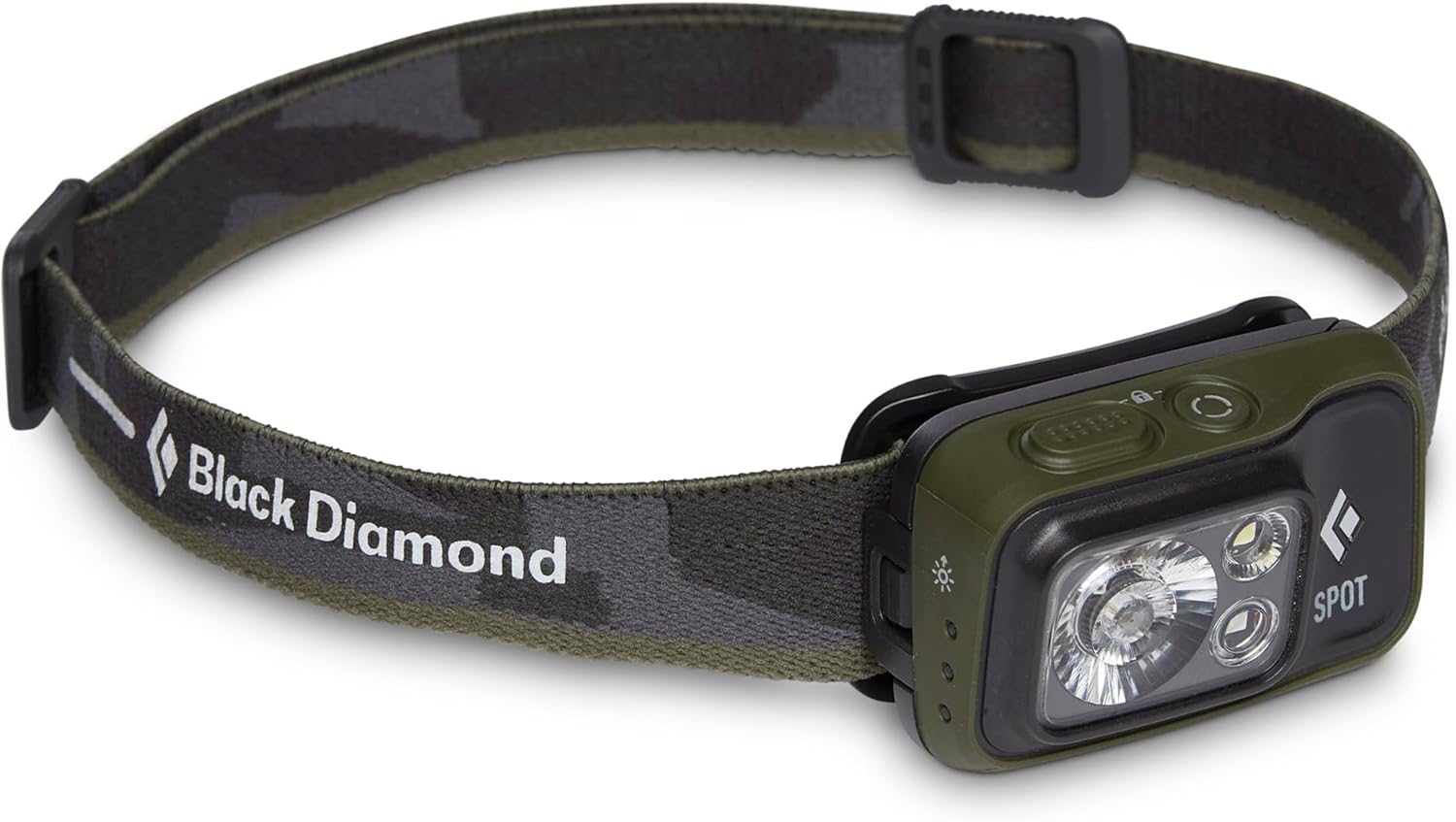
- Headlamp. Black Diamond Spot 400 Headlamp (~$60). Useful for shake-out-the-boots before sunrise hikes.
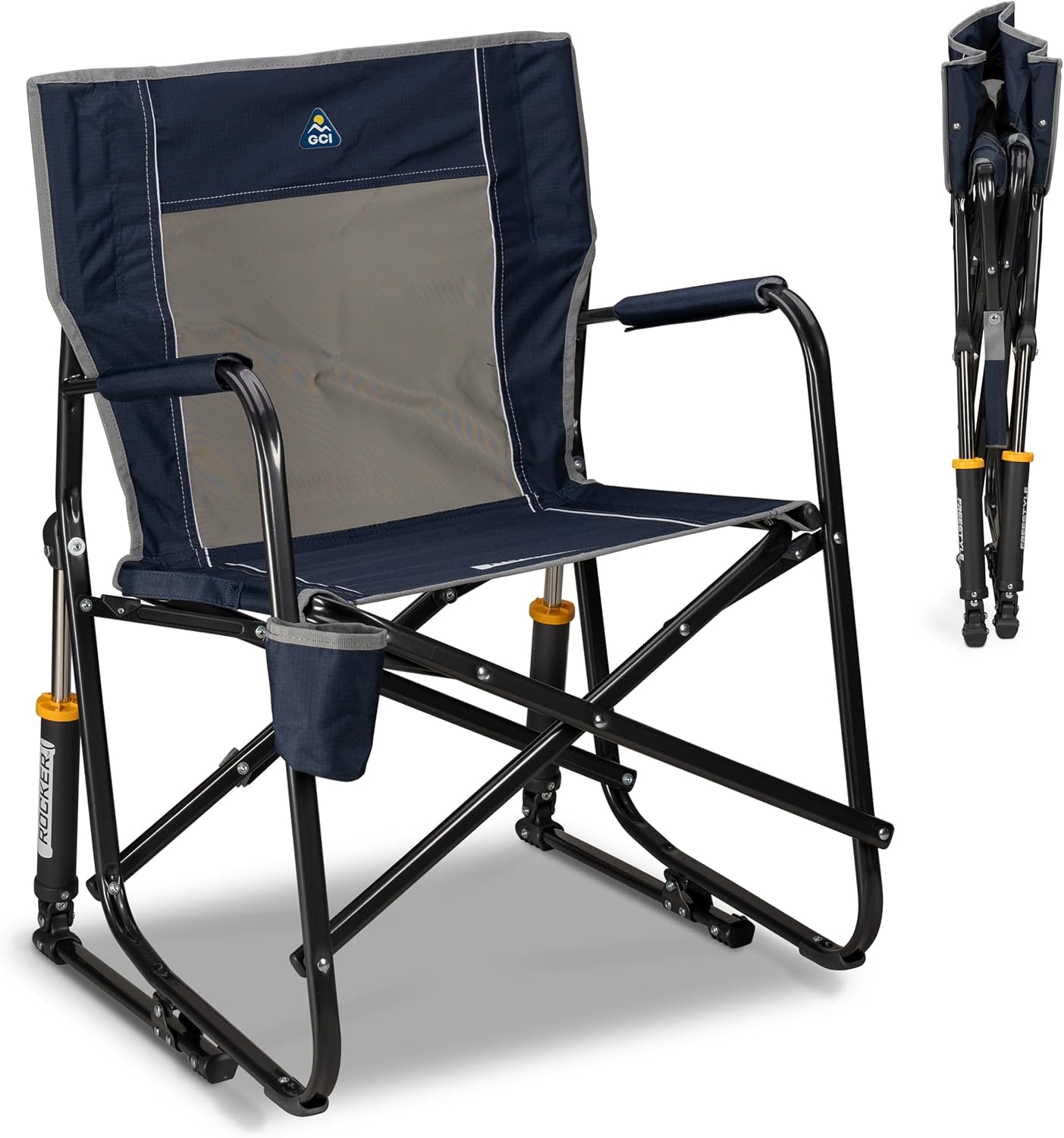
- Camp chair. GCI Outdoor Freestyle Rocker (~$80).
Frequently asked
When is the best time to camp in the Desert Southwest?
Mid-October through mid-April. Winter is the prime camping season at lower elevations. Summer is dangerously hot below 5,000 ft. High-elevation parks (Bryce, Cedar Breaks, North Rim) are summer-good and winter-closed.
How big is the day-night temperature swing?
Routinely 35-50°F. A 75°F day is a 35-40°F night at Zion or Joshua Tree. Bring a 30°F bag and layered clothing for both ends.
How much water do I really need?
Minimum a gallon per person per day, plus more for cooking and cleanup. Double in summer. Always carry a 5-gallon jug as backup.
What is the monsoon, and does it affect camping?
Daily afternoon thunderstorms July-September across Arizona, southern Utah, and New Mexico. Flash floods in washes and slot canyons kill people most years. Pitch by lunch, never camp in a wash, never enter a slot canyon when storms are forecast within 50 miles.
How do I book Zion, Arches, Grand Canyon, or Big Bend?
Six months out at recreation.gov, the day the window opens. Mid-week and shoulder season are dramatically easier. State park alternatives are far less competitive.
Where should a Desert Southwest first-timer actually go?
A developed state-park or national-park campground within 90 minutes of a major airport, October-April. Lost Dutchman (AZ), Snow Canyon (UT), Sand Hollow (UT), Joshua Tree NP, Big Bend SP. Save Death Valley summer and slot-canyon trips for after a few weekends.