Florida
Camping in Florida for Beginners
What to expect, what changes, and how to plan your first trip in Florida.
By William Blacklock · Last updated April 2026


What camping in Florida is actually like
- Inverted season. Florida's prime camping window is November through April - the rest of the country's offseason. Summer is hot, humid, buggy, and stormy.
- Three site types. Spring sites (cool clear water, shaded), coastal sites (salt breeze, beach access, no shade), and swamp/Everglades sites (mosquitoes, gators, cypress).
- Excellent state-park system. Florida State Parks runs 175+ parks with consistent quality - flush toilets, potable water, ranger staff, real beach or springs access at most.
- Beginner focus: a state park within 90 minutes of home, December through March, near a feature (springs, beach, river) you can spend the day at. Save the Everglades and primitive sites for later.
What's different about camping in Florida
Heat and humidity
- Summer: daytime highs 90-95°F, overnight lows in the upper 70s, humidity above 80% all day. The night does not cool off.
- Winter (Dec-Feb): 65-80°F days, 45-60°F nights, low humidity. The reason snowbirds drive 1,500 miles for it.
- Spring and fall: in between. April and October are the shoulder months - generally usable, but watch for early heat or late hurricanes.
- Pitch in shade if possible. Mesh tent inner is non-negotiable.
Bug control is the limiting factor
- Mosquitoes are heaviest in salt marsh, swamp, and standing-water areas - the Everglades and Big Cypress can be borderline unusable May through October.
- Permethrin-treat your clothes a day before the trip. Picaridin or DEET on exposed skin. Reapply after sweating.
- Run a Thermacell at the picnic table. The 15×15 ft coverage is the difference between an evening outdoors and going to bed at 8pm.
- No-see-ums (sand flies) in the Keys and along the coast slip through standard mesh - fine-mesh tents marketed for “no-see-ums” are worth it if you camp the Keys.
Site type matters
- Spring sites (Wekiwa, Ichetucknee, Manatee Springs, Blue Spring, Rainbow Springs): 72°F crystal-clear water year-round. The best Florida camping experience for a first-timer.
- Coastal/beach (Bahia Honda, Long Key, Anastasia, Topsail Hill, St. Andrews): salt breeze and beach access, less shade, hotter midday.
- Swamp/Everglades (Flamingo, Long Pine Key, Big Cypress dispersed): the iconic Florida wilderness, with the mosquitoes, gators, and access logistics that go with it. Not a beginner first trip.
- River/forest (Hillsborough River, Suwannee River, Ocala NF): inland, shaded, less buggy than swamp, less feature-rich than springs.
Wildlife
- Alligators in essentially every fresh and brackish water body. Don't swim at dawn/dusk in unposted areas, don't feed wildlife, keep small dogs and kids back from the water's edge.
- Snakes - Florida has cottonmouths (water moccasins), copperheads, rattlesnakes, and coral snakes. Watch where you reach.
- Black bears in north-central Florida and the panhandle. Use bear boxes where provided; otherwise lock food in a hard-sided vehicle.
- Raccoons, possums, and armadillos will work into a soft cooler in 10 minutes. Lock the cooler; don't leave food out at the picnic table overnight.
Hurricane season
- June 1 - November 30, peak August-early October. Long-planned trips usually get 4-7 days of warning on a real hurricane.
- Tropical storms and outer rain bands can flood a campground with little warning. Watch the National Hurricane Center, and have a drive-out plan if conditions deteriorate.
- Florida State Parks will close ahead of a real storm and refund the reservation.

Best setup for your first trip in Florida
These are the three beginner trip types that work in Florida, mapped to plans on this site. Take the 5-second quiz if you want one matched to your party and the season. For broader summer-heat strategy, see camping in a heatwave.
- Backyard Test. Especially valuable in Florida - you'll find out how your tent ventilates in heat, how the mesh handles bugs, and whether your sleeping system is too warm. Run it on a forecast night under 75°F.
- First Night Camp. One night, one car, a state park within 90 minutes. Pick a spring or river park (Wekiwa Springs, Hillsborough River, Lake Louisa) - water access keeps the trip fun even if the gear isn't perfect.
- Easy Family Basecamp. Two nights at a Florida state park with a feature - Anastasia's beach, Bahia Honda's reef, Ichetucknee's tube run, Wekiwa's springs. Drive in late afternoon, drive out before the heat builds Sunday.
Where beginners should look
Florida State Parks
Florida State Parks runs 175+ parks. Reserve at floridastateparks.org. The reservation window is 11 months out for Florida residents and 10 months for everyone else, so a resident can book a December weekend in January and an out-of-state visitor in February. Bahia Honda in the Keys and the spring-side sites at Wekiwa, Manatee, and Ichetucknee fill the day they open. Anastasia (St. Augustine) and Hillsborough River (Tampa) are slightly easier, and inland river/forest sites usually have more availability further in.
National parks and federal lands
Everglades NP, Big Cypress NP, Dry Tortugas NP, Ocala NF, Apalachicola NF, Osceola NF - reserve through recreation.gov. The Everglades and Big Cypress are extraordinary and not beginner-easy. Ocala NF's Juniper Springs and Salt Springs are good middle-ground options.
Private campgrounds and RV parks
Florida has a huge private-campground inventory - particularly along the coast and around the Keys. Quality varies. Read recent reviews. Most are RV-heavy; tent campers will be in the minority.
Dispersed and primitive
Limited compared to most states. Ocala NF, Apalachicola NF, and a handful of WMAs allow dispersed camping; bring a permit where required. Not a beginner first trip.
What to bring (for Florida)
Florida's defining variables are heat, humidity, and bugs. Adjust the basics:
Add
- Permethrin spray for clothing, plus picaridin or DEET for skin. Apply 24 hours before the trip starts.
- Thermacell with extra refills for the picnic table.
- A 10×10 ft canopy or shade tarp - even in winter the noon sun is intense.
- Block ice (not cubed) for the cooler. In Florida heat, block ice lasts 3-4 days; cubes are gone in a day.
- Quick-dry clothing - cotton stays wet all day in Florida humidity.
- Sandals or water shoes for spring and beach access.
- Dry bag for keeping electronics and clothes safe from sudden afternoon storms.
Skip or downsize
- Heavy sleeping bag - a sheet, a 50-60°F bag, or a quilt is enough for most Florida nights even in winter.
- 4-season tent. A 3-season tent with a full mesh inner is the right call.
- Heavy puffy jackets - a fleece for the rare January cold front is plenty.
Common first-time mistakes in Florida
- Camping in summer. Florida summer (May-October) combines heat, humidity, mosquitoes, daily thunderstorms, and hurricane risk. The Everglades and Big Cypress are essentially closed to beginners May-October; even Bahia Honda and Anastasia are uncomfortable. Reschedule for the November-April window.
- Underestimating the bug load near swamps. Permethrin-treat clothes in advance, run a Thermacell, and avoid swamp/Everglades sites for trip one.
- Swimming at dawn or dusk in alligator water. Gators are most active at the edges of the day. Stick to designated, posted swim areas.
- Leaving an unlocked cooler on the picnic table. A Florida raccoon will work a soft cooler open in under a minute, and a hard cooler latch in not much more - and they'll damage the cooler in the attempt either way. Lock the cooler in the car, or run a ratchet strap through the handle and around the picnic table for the night.
- Booking a single-layer tent for July humidity. Even with the rainfly off, a poorly ventilated tent will leave you sleeping in a puddle of your own breath by morning. Pick a tent that is mostly mesh with a separate rainfly that doesn't go to ground - and bring a small battery-powered fan.
Simple gear setup for Florida
A working starter kit calibrated for Florida - built around ventilation, bug control, and water resilience.
- Tent. Coleman Sundome 4-Person (~$68). Full mesh inner is the part that matters in Florida. Stake the rainfly off the body for airflow.
- Shade. CROWN SHADES 10×10 Pop-Up Canopy (~$140). Two minutes to set up; covers the picnic table all day.
- Stove. Coleman 1-Burner Propane Stove (~$40). Reliable in humidity; works under most Florida burn restrictions.
- Cooler. Coleman Classic Rolling Cooler 100QT (~$107). Lock it overnight against raccoons.
- Lighting. LuminAID Titan 2-in-1 Solar Lantern (~$75).
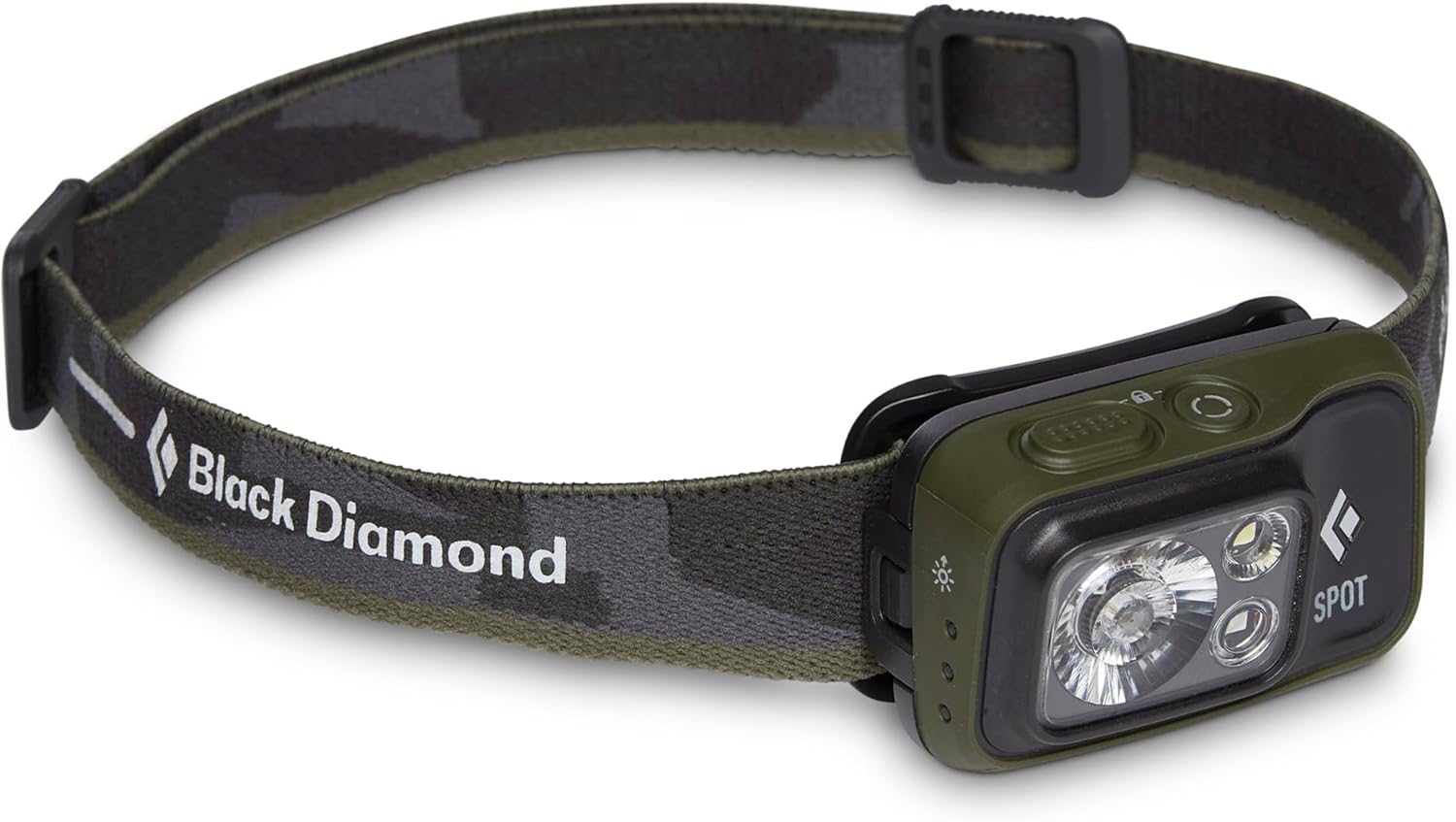
- Headlamp. Black Diamond Spot 400 Headlamp (~$60). Useful for the gator-aware walk to the bathroom.
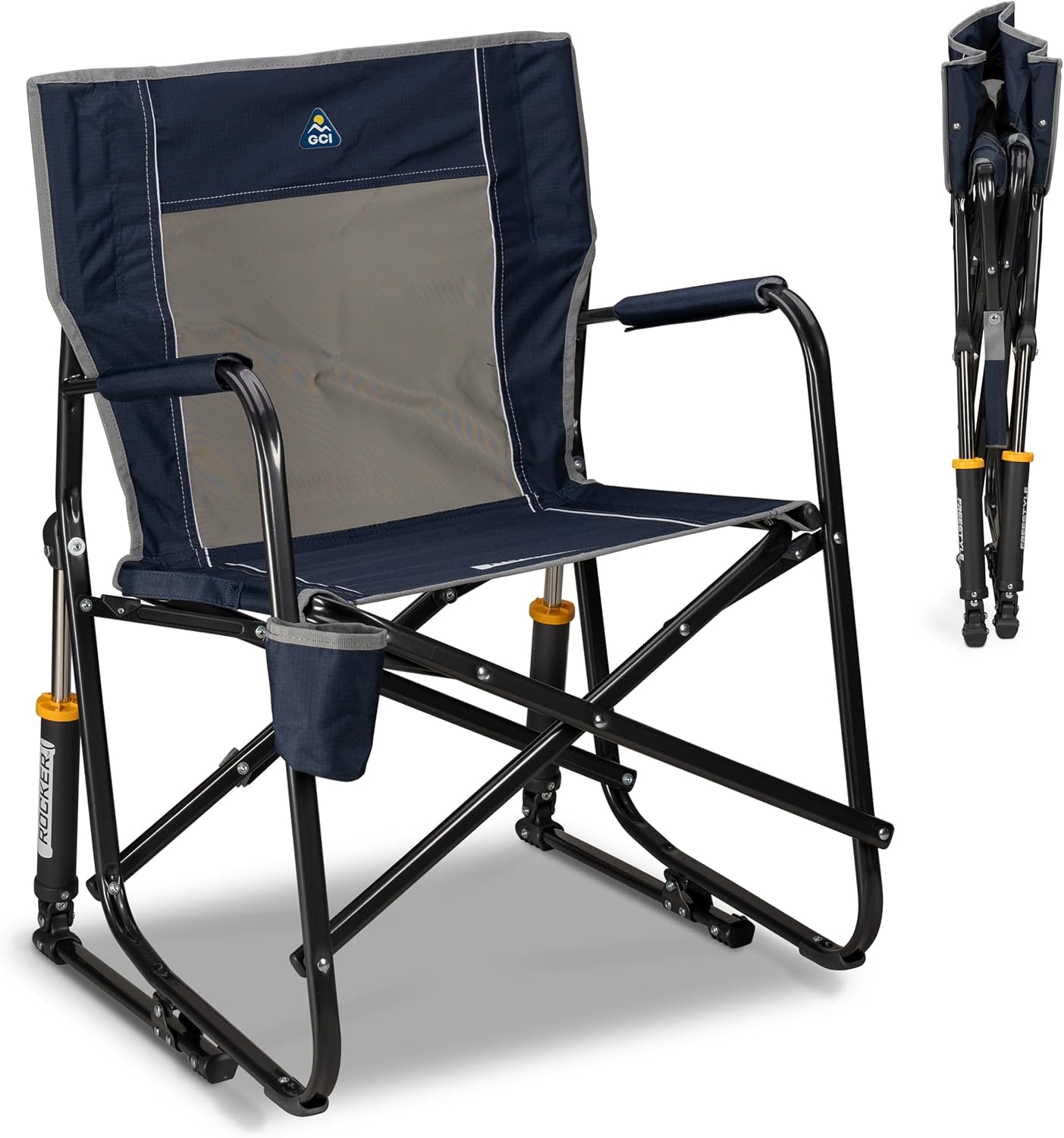
- Camp chair. GCI Outdoor Freestyle Rocker (~$80).
- Bug control. Permethrin for clothing, picaridin or DEET for skin, plus a Thermacell with refills. Non-negotiable in any non-winter Florida trip.
Frequently asked
When is the best time to camp in Florida?
Late October through April. December-March is the sweet spot - 60s-80s daytime, low humidity, far fewer mosquitoes. Avoid July-September unless you're comfortable with 90°F at 95% humidity and active hurricane risk.
How bad are the mosquitoes really?
In summer, the worst in the country in salt marsh and swamp areas. In winter, the bug load drops massively. Permethrin clothing, picaridin or DEET on skin, and a Thermacell at the picnic table.
Are alligators an actual concern?
Yes, but manageable. Don't swim at dawn/dusk in unposted water, don't feed wildlife, keep small dogs and kids away from the water's edge. Treat campground lake edges as potential gator territory.
What should I know about hurricane season?
June 1 - November 30, peak August-early October. Real hurricanes give 4-7 days of warning; tropical storms can flood campgrounds with little notice. Watch the National Hurricane Center forecasts, have a turn-around plan.
What is dispersed camping like?
Limited compared to most states. Ocala NF, Apalachicola NF, and select WMAs allow it. Most beginners are better served by Florida's state-park system or the federal sites in the Everglades.
Where should a Florida first-timer actually go?
A Florida State Park within 90 minutes of home, November through April - Wekiwa Springs, Hillsborough River, Anastasia, Bahia Honda, Ichetucknee. Save the Everglades for trip three.