Arizona
Camping in Arizona for Beginners
A year-round camping state, as long as you move up the mountain in summer and back down in winter.
By William Blacklock · Last updated April 2026


What camping in Arizona is actually like
- Elevation is the whole story. Phoenix sits near 1,100 feet, Flagstaff near 7,000. That is the difference between a saguaro desert and a ponderosa pine forest, two hours apart.
- The season inverts by region. Winter is peak season in the low desert. Summer is peak season in the high country. Most other states do not work this way.
- Enormous public land. Six national forests, Grand Canyon, Saguaro, Petrified Forest, tribal lands with their own rules, and a large BLM footprint.
- Beginner focus: pick the elevation that matches your month, stay within two hours of a city, and camp somewhere with water and bathrooms for trip one.
What's different about camping in Arizona
You pick the elevation, then the date
- October through April: low desert. Lost Dutchman, Catalina, Picacho Peak, Organ Pipe. Warm days, cold clear nights, no bugs.
- May through October: high country. Flagstaff, Oak Creek Canyon, the Mogollon Rim, the White Mountains. Cool days, genuinely cold nights.
- Summer low-desert camping is a heat-illness risk, not a comfort question. Rescues spike every June and July.
- The corollary: a 110°F afternoon in Phoenix and a 35°F night on the rim can happen on the same day, three hours apart.
Monsoon season changes the daily plan
- Roughly early July through mid-September: violent afternoon thunderstorms, flash floods, dust storms, and heavy lightning.
- Never camp in a wash or dry drainage. Water arrives from storms you cannot see, under a clear sky above you.
- Hike in the morning, be back at camp by early afternoon, and stake the tent for sudden gusts.
- Stay out of slot canyons and narrow drainages entirely when storms are in the forecast.
Fire restrictions are the default, not the exception
- Restrictions are common from late spring onward, and full bans on forest and state land are routine in dry years.
- Stage 1 typically limits fires to developed rings; Stage 2 bans open flame outright, sometimes including charcoal.
- Check the specific managing agency in the week before you leave, since rules differ between adjacent forests.
- Bring a propane stove regardless. Planning meals around a campfire in Arizona is planning to eat cold.
Desert wildlife habits
- Rattlesnakes statewide, and bark scorpions in the low desert that like dark enclosed spaces.
- Shake out shoes, boots, and any clothing left outside before putting them on. This is the habit that matters.
- Never reach under rocks, into woodpiles, or into crevices you cannot see into.
- Headlamp any time you move around camp after dark. Javelina will open a cooler, so food goes in the vehicle overnight.

Best setup for your first trip in Arizona
Three beginner trip types that work here, mapped to plans on this site. Pick the smallest one you have not done yet, or take the 5-second quiz and we will match one to your dates and party size. For a summer low-desert trip you should probably reschedule, but read camping in a heatwave first if you are set on it.
- Backyard Test. Worth doing to check your shade and sleep setup. In Arizona the surprise is usually how cold a clear desert night gets after a hot afternoon.
- First Night Camp. One night at a state park matched to the season. Lost Dutchman or Catalina from October to April, Dead Horse Ranch or a Coconino forest campground from May to October.
- Easy Family Basecamp. Two or three nights around Flagstaff or Sedona in summer, day-tripping to Oak Creek, Walnut Canyon, or the Grand Canyon South Rim.
Where beginners should look
Arizona state parks
The easiest first trip in either season. Lost Dutchman sits under the Superstition Mountains 45 minutes from Phoenix and is spectacular in winter. Catalina outside Tucson is the equivalent in the south. Dead Horse Ranch in the Verde Valley works most of the year at middle elevation. Patagonia Lake adds water in the far south, and Kartchner Caverns pairs a campground with one of the best cave tours in the country. Details and bookings at azstateparks.com.
Grand Canyon and the national parks
Grand Canyon South Rim is open year-round, with Mather and Desert View campgrounds booked through recreation.gov well ahead for spring through fall. The North Rim is roughly a thousand feet higher and open only about mid-May through mid-October, closing for snow the rest of the year. Both rims are cold at night in every season. Current conditions and closures are at nps.gov/grca. Saguaro National Park near Tucson has no developed car campground, so use Catalina State Park or Gilbert Ray County Campground as your base instead.
National forests and the Mogollon Rim
The Coconino, Kaibab, Tonto, and Apache-Sitgreaves national forests are where Arizona actually camps in summer. Developed campgrounds around Flagstaff, Oak Creek Canyon, the Mogollon Rim, and the White Mountains are cheap and mostly on recreation.gov, and dispersed camping is free across large areas. Note that dispersed camping near Sedona and Flagstaff has become heavily regulated because of overuse, with designated-site requirements and stay limits in some corridors, so check the forest's current rules rather than assuming. Our guide to dispersed camping on BLM and national forest land covers the fundamentals.

What to bring (for Arizona)
Start from a normal beginner packing list, then adjust:
Add
- A shade structure and long sand stakes for any desert site. There is no natural shade to move into.
- Far more water than feels reasonable, at least a gallon per person per day plus cooking and cleanup.
- Electrolyte packets. Arizona air is dry enough that sweat evaporates before you notice it.
- A warmer sleeping bag than the daytime high suggests, especially at the Grand Canyon or on the Rim.
- Closed-toe shoes and a headlamp for around camp after dark, every night.
- A propane stove, on the assumption that fires will be banned.
- Long sun sleeves, a wide-brim hat, and high-SPF sunscreen. Covering up beats reapplying.
Skip or downsize
- Bug kits. Arizona is one of the least buggy states in the country outside monsoon puddles.
- Rain gear for winter low-desert trips, though keep a light shell for monsoon season.
- Firewood. Between fire bans and transport rules, it is usually dead weight.
Common first-time mistakes in Arizona
- Camping the low desert in summer. Above 110°F with no shade is a heat-illness risk, not a tough weekend. Go up to Flagstaff or the Rim, or move the trip to winter.
- Packing for the drive, not the destination. Leaving a 100°F Phoenix afternoon and arriving at a 40°F Grand Canyon night catches people every summer. Pack for the elevation you are sleeping at.
- Pitching in a wash. The flat sandy sheltered spot is a drainage. In monsoon season it is the one place that can kill you, under a clear sky.
- Assuming you can have a campfire. Restrictions are the norm from late spring on. Check the managing agency, and bring a stove either way.
- Putting on shoes without shaking them out. Bark scorpions like dark enclosed spaces. It takes two seconds and it is the one desert habit worth drilling into kids.
Simple gear setup for Arizona
A working starter kit calibrated for Arizona: no shade, dry air, big day-to-night swings, and a stove instead of a fire.
- Tent. Coleman Sundome 4-Person (~$68). Full mesh inner for warm desert nights, fly on for monsoon gusts.
- Shade. CROWN SHADES 10×10 Pop-Up Canopy (~$140). The most-used item at any desert site. Take it down before monsoon wind arrives.
- Sleeping bag. Coleman Brazos Sleeping Bag (~$40). Clear desert nights lose heat fast, and the rims are cold in every season.
- Sleeping pad. Big Agnes Divide UnInsulated Pad (~$100). Insulated, and it keeps you off ground that is either baking or freezing.
- Stove. Coleman Triton+ 2-Burner Propane Stove (~$85). Plan every meal around it, because the fire ring will often be off limits.
- Cooler. Coleman Classic Rolling Cooler 100QT (~$107). Block ice, in shade, and into the vehicle overnight so javelina leave it alone.
- Hydration. DripDrop Hydration Packets (~$25). Dry-air dehydration is the most common Arizona problem after sunburn.
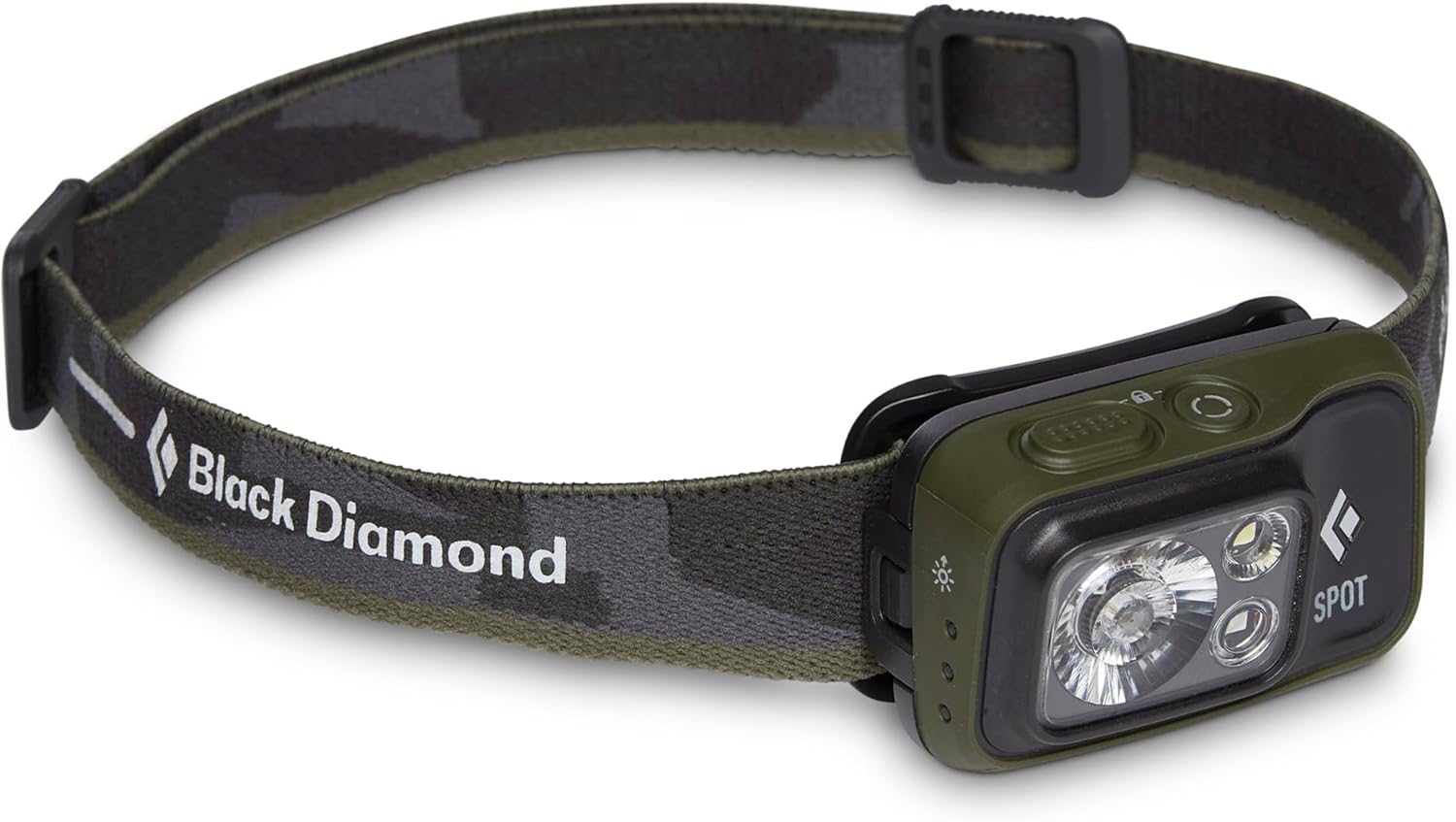
- Headlamp. Black Diamond Spot 400 Headlamp (~$60). One per person, and the reason you see the snake before you step on it.
Frequently asked
When is the best time to camp in Arizona?
It depends on elevation. Low desert October through April, high country May through October. Arizona is a year-round camping state as long as you move up and down with the calendar.
Where should an Arizona first-timer camp?
Match elevation to season. Lost Dutchman, Catalina, or Picacho Peak in the cool months; the Coconino forest around Flagstaff and Oak Creek, or Dead Horse Ranch, in the warm ones.
What is the monsoon and how does it affect camping?
Roughly July through mid-September: violent afternoon storms, flash floods, dust storms, and lightning. Hike mornings, be back by early afternoon, and never camp in a wash.
How do I camp at the Grand Canyon?
South Rim is open year-round with Mather and Desert View on recreation.gov. The North Rim opens roughly mid-May to mid-October. Both rims sit near 7,000 to 8,000 feet and are cold at night.
Do I need to worry about scorpions and rattlesnakes?
Be aware, not afraid. Shake out shoes and clothing left outside, never reach where you cannot see, and use a headlamp after dark. Store food in the vehicle so javelina leave it alone.
Can I have a campfire in Arizona?
Often not. Fire restrictions are common from late spring onward and full bans are routine in dry years. Check the managing agency before you leave, and bring a propane stove regardless.