Texas
Camping in Texas for Beginners
What to expect, what changes, and how to plan your first trip in Texas.
By William Blacklock · Last updated April 2026


What camping in Texas is actually like
- Long warm season, short cool season. Useful camping weather runs roughly mid-October to mid-April. Summer is too hot for first trips across most of the state.
- Three different climates in one state. East Texas is humid pine forest. Central Texas is Hill Country limestone with rivers and oaks. West Texas is dry desert and mountain. The same packing list does not work in all three.
- Excellent state park system. TPWD runs roughly 80 state parks with real bathrooms, potable water, and ranger staff - the easiest beginner infrastructure in the country.
- Beginner focus: pick a Hill Country state park within 90 minutes of home, in shoulder season, near water. Save Big Bend, Padre Island, and the Davis Mountains for later trips.
What's different about camping in Texas
Heat management is the whole game
- From late May through mid-September, daytime highs of 95-105°F are normal. Overnight lows often stay in the upper 70s.
- Pitch the tent in shade. A tent in full Texas sun by 9am is unusable until sundown.
- Plan activity for early morning and late evening. Plan to be in the shade or in water from noon to 5pm.
- A 10×10 canopy over the picnic table is the most-used piece of gear at a Texas campsite.
Bug control is non-negotiable in East and Coastal Texas
- Mosquitoes are heavy in East Texas, the Big Thicket, the coast, and anywhere with standing water from May through October.
- Treat clothing with permethrin (spray-and-dry, lasts 6 weeks) a day before the trip.
- Picaridin or DEET on exposed skin. Reapply after sweating.
- Run a Thermacell at the picnic table - it works on a 15×15 ft area and is the difference between a usable evening and going to bed at 8pm.
- Mesh-bodied tent and a screened canopy are real upgrades, not luxuries.
Campground type varies more than the rest of the country
- TPWD state parks. The default first-trip choice. Reservations at tpwd.texas.gov, opens 5 months out, popular Hill Country parks fill within minutes.
- Private campgrounds and KOAs. Wildly variable. Read recent reviews. Best when paired with a specific feature (lake access, river tubing).
- National forests and grasslands (Sam Houston, Sabine, Davy Crockett, Angelina, Caddo). Free dispersed camping, no facilities, no reservations. Not a beginner choice.
- National parks and recreation areas. Big Bend NP, Guadalupe Mountains NP, Padre Island NS, Lake Meredith. Federal-side reservations through recreation.gov.
Distance and access
- Texas is geographically huge. Big Bend is an 8-hour drive from Dallas. Padre Island is 6 hours from Austin. A “weekend trip” in Texas is usually 90 minutes to 3 hours each way.
- Cell coverage at most state parks is spotty to none. Download offline maps before leaving paved road.
- Summer storms can drop several inches in an hour - low-water crossings flood and cut off access roads. Check the forecast and the park's low-water crossing status the morning of arrival.

Best setup for your first trip in Texas
These are the three beginner trip types that work in Texas, mapped to plans on this site. Pick the smallest one you haven't done yet, or take the 5-second quiz and we'll match one to your dates and party size. For broader heat strategy, see camping in a heatwave.
- Backyard Test. The right call if you have not slept in a tent yet. Texas heat and humidity test gear and patience differently than the same setup would in a milder climate - better to find out what does not work in your own backyard. Run it on a forecast night under 80°F.
- First Night Camp. One night, one car, a state park within 90 minutes of home, ideally a Hill Country park with river access. Aim for late October through April for first-timers; if you go in summer, pick a park above 1,500 ft (Lost Maples, Garner) where nights cool off.
- Easy Family Basecamp. The right Texas family weekend: a TPWD park with shade, a swim-able river, and a picnic table you can tent next to. Pedernales Falls, Inks Lake, McKinney Falls, Garner, and Lost Maples all fit. Two nights, drive in Friday after work, drive out Sunday before the heat builds.
Where beginners should look
TPWD state parks
Texas Parks and Wildlife runs the easiest infrastructure for a first trip. Reserve at tpwd.texas.gov. The reservation window opens 5 months in advance - for a Saturday in April, that means booking around early November. Hill Country and central Texas parks (Pedernales Falls, Garner, Inks Lake, McKinney Falls, Enchanted Rock, Lost Maples) book first; Inks Lake and Garner regularly fill the day they open for spring weekends, while Lost Maples often has weekday openings even in peak fall-color season. East Texas pine country and the Trans-Pecos have more availability further out.
Private campgrounds and RV parks
Quality varies widely. The good ones cluster around tubing rivers (Guadalupe, Frio, San Marcos, Comal), Lake Travis, Lake Whitney, and the Hill Country wineries. Read recent reviews on Google and Campendium. KOA-branded parks are predictable but tend to feel more RV than tent.
National parks, forests, and recreation areas
Reserve federal sites at recreation.gov. Big Bend National Park is the iconic Texas trip but a long-haul drive and a serious environment - heat in summer, real cold at altitude in winter, and limited water. Padre Island National Seashore is the Gulf coast option (beach camping, hot summers, gorgeous winter weekends). National forest dispersed sites are free and unstaffed; not a beginner first trip, but useful once you have a few weekends in.

What to bring (for Texas)
Start from a normal beginner packing list, then add and remove for Texas conditions:
Add
- 10×10 ft canopy or shade tarp + poles. Most-used piece of gear at any Texas campsite.
- Twice as much water as you think you need - minimum 1 gallon per person per day, plus a 5-gallon jug for cooking and cleanup.
- Electrolyte tabs or packets. Sweating in 95°F dry air dehydrates you faster than you feel.
- Permethrin-treated long-sleeve sun shirt and long pants for evenings.
- Picaridin or DEET, plus a Thermacell with extra refills if camping east of I-35 May-October.
- Block ice (not cubed) for the cooler. Block ice lasts 3-5 days in Texas heat; cubes are gone in a day.
- A second cooler - one for drinks (opened constantly), one for food (kept closed).
Skip or downsize
- Heavy sleeping bags - a 50-60°F bag or a sheet+blanket is enough for most Texas overnight lows.
- 4-season tent. A 3-season tent with a full mesh inner is the right call.
- Heavy puffy jackets. A fleece or hoodie covers the rare cool evening.
Common first-time mistakes in Texas
- Booking a Texas summer trip below 1,500 ft. June-September lowland trips are hot enough to hurt. Either go in shoulder season, go up in elevation (Davis Mountains, Lost Maples, Lake Buchanan area), or pick a park where you will spend most of the day in the river.
- Ignoring the burn ban map. Most of Texas goes under county burn ban at some point each summer. Check the Texas A&M Forest Service map the week before. Bring a propane stove regardless.
- Underestimating the bug load east of I-35. Mosquitoes, ticks, chiggers, and biting flies are real in East Texas, the Big Thicket, and the coast May-October. Permethrin-treat your clothing a full day before the trip.
- Underestimating wind at Padre Island and the Panhandle. Padre Island and Palo Duro Canyon get gusts that snap awning poles, drag tents across the site, and grind sand into every zipper, sleeping bag, and cooler seal. Bring 10-inch steel stakes (the wire ones from the box are useless), guy out everything, and accept that a 3-night Padre trip means sand in your gear for the next month.
- Treating Big Bend as a first trip. Big Bend is 8 hours from Dallas, has limited water, restricts hammocks to free-standing setups, and only allows fires along the river. Get two or three Hill Country trips in before you commit a long weekend to the drive.
Simple gear setup for Texas
A working starter kit calibrated for Texas heat and bug pressure. Mid-range, proven, and built around shade and ventilation rather than cold-weather insulation.
- Tent. Coleman Sundome 4-Person (~$68). Full mesh inner is the part that matters in Texas. Stake the rainfly off the body for airflow on warm nights.
- Shade. CROWN SHADES 10×10 Pop-Up Canopy (~$140). Two minutes to set up, runs the whole hot stretch of the day.
- Stove. Coleman 1-Burner Propane Stove (~$40). Works under nearly every Texas county burn ban, which open fires don't.
- Cooler. Coleman Classic Rolling Cooler 100QT (~$107). Wheels matter when the parking lot is a long walk in 95°F.
- Lighting. LuminAID Titan 2-in-1 Solar Lantern (~$75). One for the picnic table, one inside the tent.
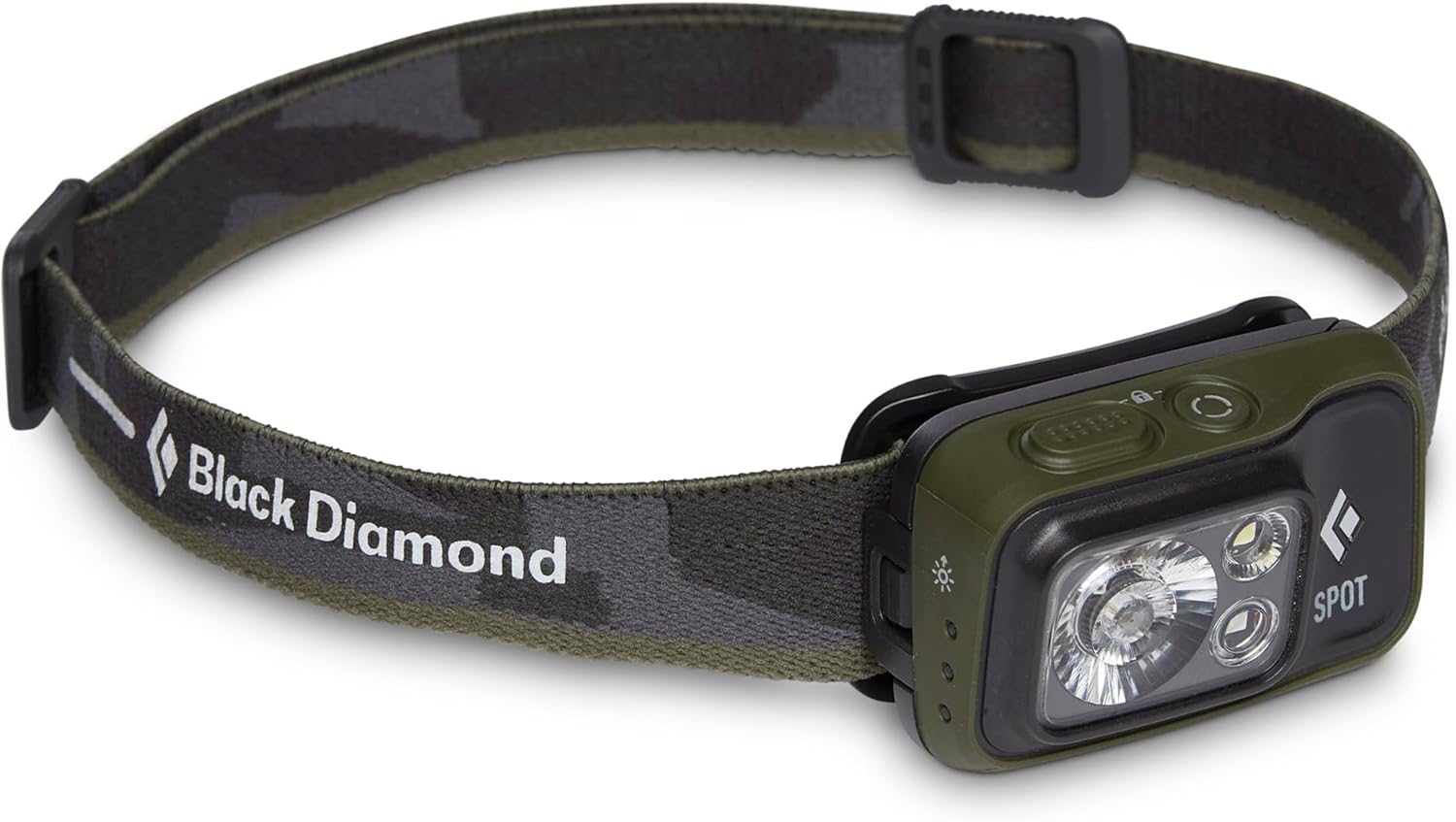
- Headlamp. Black Diamond Spot 400 Headlamp (~$60). One per person. Useful for the early-morning bird walk before it gets hot.
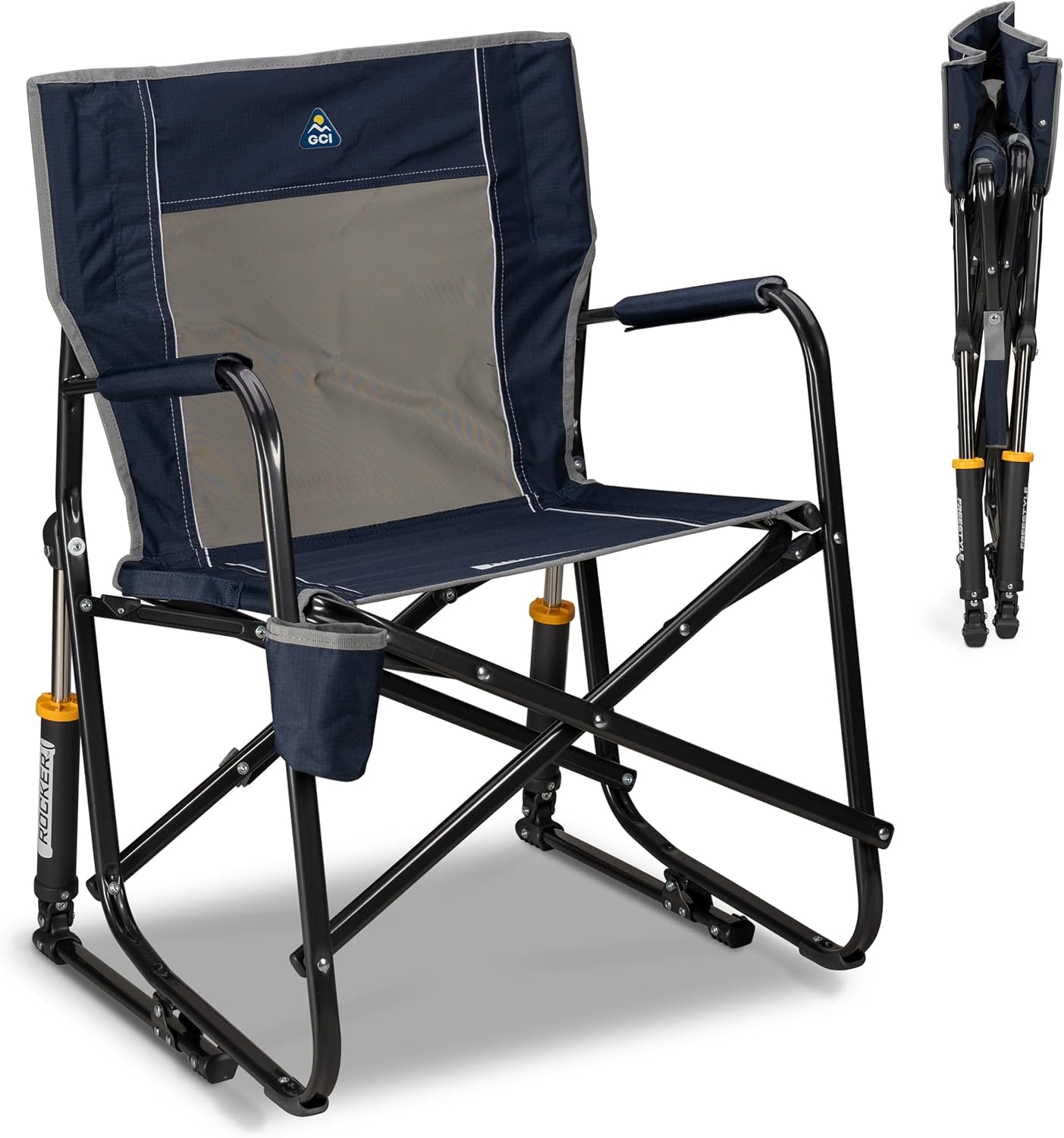
- Camp chair. GCI Outdoor Freestyle Rocker (~$80). The chair you actually want to sit in for the long Texas evening.
- Bug control. Permethrin spray for clothing (any reputable brand), picaridin or DEET for skin, and a Thermacell with extra refills if you're east of I-35 in mosquito season.
Frequently asked
When is the best time to camp in Texas?
Mid-October through mid-April. Spring and fall are the prime windows; winter is genuinely pleasant in the southern half of the state. Summer (June-September) is hot enough across most of Texas that beginners should reschedule or move up in elevation.
Are TPWD state parks worth booking, or should I go private?
TPWD state parks are the easiest beginner infrastructure in the country - clean bathrooms, potable water, real ranger staff. Reserve up to 5 months out at tpwd.texas.gov. Private campgrounds and KOAs vary; check recent reviews. National forest dispersed camping is free but harder for trip one.
How bad are the mosquitoes really?
In East Texas and along the coast May-October, bad enough to ruin a trip without preparation. Permethrin-treat clothing, use picaridin or DEET on skin, and run a Thermacell at the picnic table. West Texas is dramatically less buggy.
Do I need to worry about snakes or scorpions?
Be aware, not afraid. Texas has copperheads and rattlesnakes statewide; check before reaching into woodpiles or rock crevices. Scorpions are common in the Hill Country and Trans-Pecos and like shoes left outside the tent - shake your boots out in the morning.
Can I have a campfire in Texas?
Usually yes, but check the Texas A&M Forest Service burn ban map before leaving. Most of the state goes under burn ban at some point each summer. Bring a propane stove regardless. Use local firewood (within 50 miles of the campground) to avoid spreading invasive pests.
Where should a Texas first-timer actually go?
A Hill Country state park within 90 minutes of home, in shoulder season, with shade trees and water access. Pedernales Falls, Inks Lake, Garner, McKinney Falls, and Lost Maples are proven first-trip parks. Big Bend is unforgettable - and a trip three or four, not a trip one.