Free camping
Dispersed Camping on BLM & National Forest Land
Free, legal, no reservation - and a lot harder than it looks. What dispersed camping actually is, the rules that matter, and when it’s the wrong move for a first-timer.
By William Blacklock · Last updated April 2026


What dispersed camping actually is
“Dispersed camping” is the official term for camping outside of a developed campground - no fee, no reservation, no marked site, no infrastructure. You drive a public-land road, find a clearing or pullout that someone has clearly camped at before, and pitch a tent. There’s no host, no neighbor, often no cell signal, and definitely no toilet. The land is yours for up to 14 days at a stretch, then you have to move at least 25 miles.
It exists almost exclusively on land managed by the Bureau of Land Management (BLM) and the U.S. Forest Service (national forests and grasslands). Together those two agencies manage roughly 440 million acres of land - most of it open to dispersed camping by default. National Parks almost never allow it; state land varies wildly. Private land is, of course, off-limits without permission.
The appeal is real: it’s free, it’s quiet, and on a Friday night in July it’s a whole different planet from a packed state park. The cost is that everything that was handled for you at a developed campground - water, toilet, fire safety, site selection, neighbors who’d notice if you didn’t come back - is now your problem.
Worth being clear about what "free" buys you, though: the site fee is usually the smallest line in a family camping budget, not the biggest. If cost is the reason you are looking at dispersed camping, family camping on a budget covers the two places the money actually goes, and how to get a first trip under $150 without leaving developed campgrounds.
Where it’s legal
Two land categories cover almost all dispersed camping in the U.S.:
- BLM land - concentrated in the West (Nevada, Utah, Arizona, New Mexico, Wyoming, eastern Oregon, eastern California). Mostly desert and high desert. Generally the most permissive - most BLM land allows dispersed camping for free, no permit, up to 14 days.
- National Forest land - every region. Rangers manage hundreds of districts; the rules vary by district, but dispersed camping is the default. Look for “national forest,” “grassland,” or “ranger district” on a map - those are almost always Forest Service.
How to identify federal land on a map without specialized tools:
- If the map label says National Forest, National Grassland, or Ranger District, it’s Forest Service.
- If a chunk of public land in the West isn’t labeled a park, monument, or forest, it’s very likely BLM.
- If it says National Park or National Monument, dispersed camping is almost certainly not allowed - those are reservation-only.
- If it’s on a Wilderness Area map (no roads, no motorized travel), dispersed camping is allowed but you’re hiking in, not driving.
The crowd-sourced and official tools that actually work for finding sites:
- FreeRoam - free app, layers public-land boundaries on top of a map and shows user-reported dispersed sites.
- Campendium - user reviews of free and paid sites, including dispersed; check recent reviews for current conditions.
- OnX Offroad or Gaia GPS - paid, but the public-land overlays are unmatched. Worth it if you do this often.
- USFS Motor Vehicle Use Maps (MVUMs) - official, free, and tell you which roads you’re actually allowed to drive on.
- fs.usda.gov and blm.gov for current closures, fire restrictions, and ranger-district contact info.
- recreation.gov for federal-lands info - note that most dispersed sites aren’t reservable, but the portal documents fire restrictions and seasonal closures.
What you give up vs. a developed campground
Be honest about the trade. Dispersed camping is not “a campground but free.” It’s a different activity. Here’s what you don’t get:
- Toilets. Not a vault toilet, not a pit toilet, nothing. You bring a trowel or a wag bag and pack out (or properly bury) human waste.
- Water. No spigot. You bring every drop you’ll drink, cook with, and clean with - typically 1 gallon per person per day, more in heat.
- A fire ring. Sometimes a previous camper left a rock ring. Sometimes there’s nothing. Often, fires are banned outright.
- A picnic table. Plan to cook on the ground or off your tailgate.
- Neighbors. If something goes wrong - kid hurt, car won’t start, you’re lost - there is no one within shouting distance. This is the biggest difference and the reason dispersed isn’t a beginner setup.
- Cell signal. Often none. Plan for navigation, communication, and emergencies on the assumption your phone is a flashlight.
- A host or ranger. No one to ask which way the trailhead is. No one to tell you a bear came through last night.
Site selection rules
These aren’t suggestions - they’re the difference between “responsible dispersed camper” and “the reason this stretch gets closed next year.”
- Camp at least 100 feet from any water source - lakes, streams, springs, even seasonal washes. Water sources are sensitive habitat and your soap/dish water/sunscreen rinses straight into them.
- Camp at an existing-impact site. If a clearing has been camped in before - flat, bare ground, maybe a rock fire ring - use it. Don’t pioneer a new site in a fresh patch of vegetation.
- Don’t park or pitch on plants. Cryptobiotic crust in the desert, lichen in the alpine, even meadow grass takes years to recover. Bare ground only.
- Stay out of sight of roads when possible. A 100-200 ft setback from the road is both better camping and the polite thing to do.
- No trenching around tents. The “rain trench” trick is a Boy Scout relic. Pick a site that drains naturally and skip the digging.
- No nailing into trees, no trimming branches - applies to live wood only. Pick standing dead for any firewood gathering, and only where wood gathering is permitted.
- Pack out everything. Including micro-trash: bottle caps, twist ties, food wrappers blown out of the trash bag. Walk a 30-foot circle around your site before you leave.
Fire rules
Fire restrictions on dispersed land are usually stricter than at developed campgrounds, and they change week to week during fire season. Treat every trip as a fire-restriction check first, everything else second.
- Check the ranger district or BLM field office page the day you leave. Not three days before. The day you leave. Restrictions can escalate from “fire allowed in existing rings” to “no fires anywhere, including stoves” in 24 hours.
- Stage 1 restrictions typically mean campfires only in developed fire rings - which dispersed sites don’t have, so effectively no fires.
- Stage 2 restrictions often ban open flames entirely, including charcoal and sometimes camp stoves with open flame.
- Bring a stove regardless. A two-burner propane or canister stove cooks dinner whether or not fires are allowed. If you’re depending on a fire to cook, one Stage 2 announcement ruins your trip.
- If a fire is allowed: use the existing rock ring, never trench or expand it, keep it small, drown it dead before bed, and stir the ashes until they’re cold to the touch with your hand.
Common first-time mistakes
- Showing up without checking fire restrictions. The single most common mistake - and the one that turns a relaxed weekend into the trip where you didn’t get to make s’mores after a 6-hour drive.
- No water plan. Underestimating how much water a family of four uses (it’s about 4-6 gallons per night), then realizing the nearest spigot is 40 minutes away.
- Parking on vegetation. Pulling 6 feet off the road into what looks like a “fine” patch of grass and crushing what was a 30-year-old desert plant.
- Leaving micro-trash. Bottle caps, food wrappers, dental floss. The site looked clean when you left but the next camper finds three energy-bar wrappers under the rock you used for a chair.
- Choosing a too-remote first attempt. 90 minutes of dirt road on the first try, then having a flat tire or running out of fuel and being 4 hours from help. Start within 30 minutes of pavement.
When NOT to dispersed camp as a beginner
Dispersed camping is a skill graduation, not a place to start. Specifically, don’t make this your setup if any of the following are true:
- It’s your first camping trip ever. Take 2-3 developed-site trips first to learn what gear you actually need.
- You have small kids on this specific trip - no toilet, no neighbor, no flat ranger-graded site. Save it for when they’re older or it’s an adults-only weekend.
- The weather forecast is bad - strong wind, thunderstorms, freezing rain. Dispersed sites are exposed and you can’t bail to the bathroom building.
- You’re nervous about being alone in the dark. That’s a normal feeling, and a developed campground with neighbors 50 feet away is the right place to work through it. Dispersed sites with zero ambient sound and zero people are not.
- You don’t have a full tank of gas, a spare tire you’ve checked, and at least one extra gallon of water beyond what you think you’ll need.
For a first trip, see camping for beginners and the first-night camping guide - both assume a developed campground. Once those feel routine, dispersed becomes the natural next step.
Recommended setup
The gear shift from a developed-site setup to dispersed is small but not zero. Same tent, same sleeping bags, same stove. What changes:
- Extra water. Plan 1 gallon per person per day, then add 50%. A 7-gallon jug from the hardware store is the right tool.
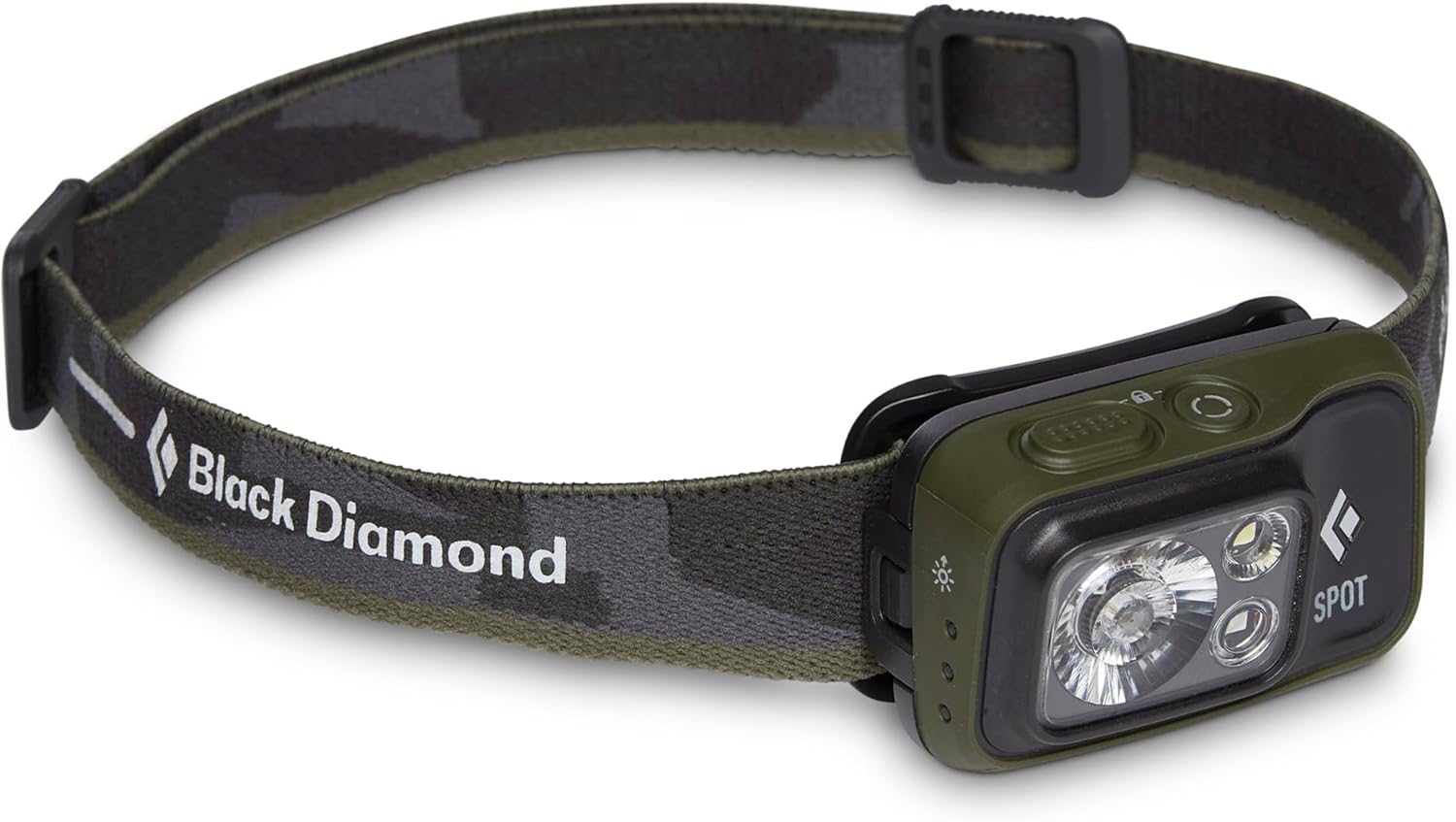
- Headlamp per person, plus spare batteries. No bathroom building light, no neighbor’s fire glow - it’s genuinely dark.
- Full Leave No Trace kit. A trowel for catholes, wag bags as a backup, sealed trash bags, a pack-out kit for toilet paper.
- Reliable navigation that works without cell signal. Downloaded offline maps in Gaia or Google Maps, plus the paper Motor Vehicle Use Map for the district.
- A way to cook that doesn’t need a fire. A two-burner propane stove with a full canister is the minimum. Don’t depend on a fire for dinner.
- Communication plan. Tell someone at home where you’ll be and when you’ll check in. Consider a satellite messenger (Garmin inReach, Zoleo) for trips deeper than 30 minutes from pavement.
- Spare tire, jack, jumper cables. Standard road kit, but actually verified before you leave the driveway.
Where dispersed camping fits in a beginner plan
Honestly: typically not on your first trip. The right progression for most families is a backyard test, then a first-night camp at a developed campground 60-90 minutes from home, then a first-weekend camp at a state park, and only after 2-3 of those does dispersed become a sensible upgrade. The skills you learn at a developed site - packing, setup, sleeping outside, kid management, cooking on a camp stove - are the same skills dispersed demands, with none of the safety net. Build the skills first, then take them somewhere with no neighbors.
If you want a stepping-stone, look for primitive sites inside developed campgrounds (often the back loop, walk-in tent sites, or “no hookups” section). Same self-reliance, but with a vault toilet 200 feet away if it all goes sideways.
Dispersed camping is also the honest fallback on a fully-booked holiday weekend - see Labor Day weekend camping for the full rundown of what still has openings when reservations are gone.
Frequently asked
Is dispersed camping really free?
Yes, on most BLM and National Forest land. Some heavily-used dispersed areas have started charging small fees ($5-$15 per night) and require a permit picked up at a self-serve kiosk. Always check the district page.
How long can I stay at a dispersed site?
Typically up to 14 days in any 30-day period on the same district, then you have to move at least 25 miles. Some districts limit it to 7 days. Check before you go.
Do I need a permit?
Usually no for general dispersed camping, but fire permits, OHV permits, and special-area permits (some popular dispersed zones now require one) do exist. The ranger district page tells you.
Can I bring my dog?
Almost always yes on BLM and National Forest land - usually off-leash is allowed if under voice control, but check the district. See camping with dogs for the first time for the broader playbook.
What about waste?
Pack out all trash, including food scraps. For human waste, dig a 6-8 inch cathole at least 200 feet from water, trail, and camp. Pack out used toilet paper in a sealed bag - it doesn’t decompose fast enough. In high-use desert areas, a wag bag is required.