
First Weekend Camp
A trip tuned for school-age kids: enough adventure to hold their attention, simple enough that the adults still get to relax.
Your Setup
The four systems for this trip
Each system is picked from your answers - sleep, cook, light, comfort. Tap any link to view a product on Amazon (affiliate links help fund Trailstead).
Flexible Sleep Setup
One main tent with optional secondary space if needed.
- 1 large tent
- Optional secondary tent
Standard Cook Kit
Balanced setup for real meals without overpacking.
- 2-burner stove
- Cook set
- Cooler
Single-Zone Lighting
One main light source plus per-person headlamps.
- 1 main lantern
- Headlamp per person
Standard Camp Comfort
Camp chairs and the basics that make evenings work.
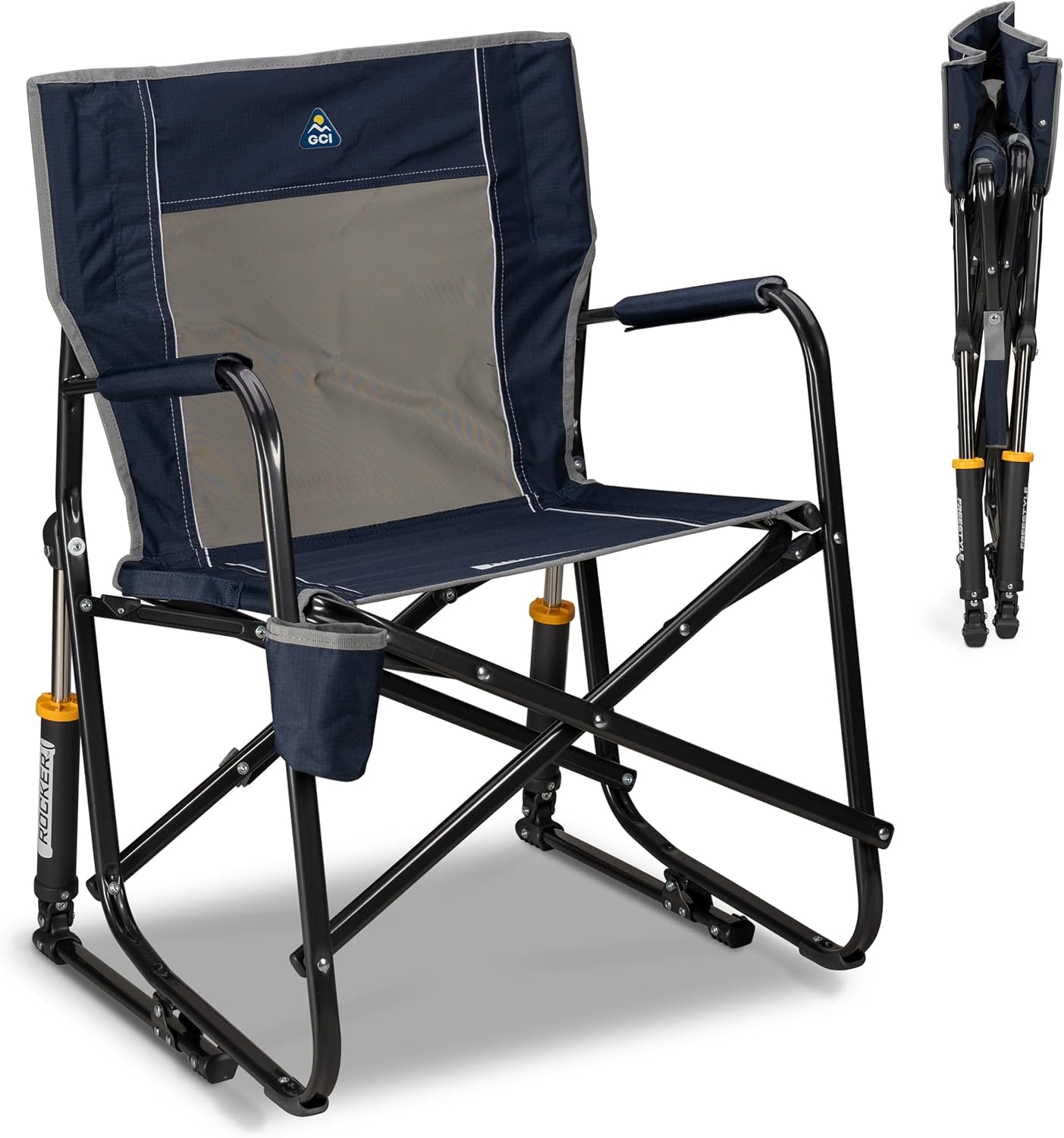
- Camp chairs (one per person)
Your Trip Timeline
Before You Leave
- 16 months before: Book two consecutive nights - Weekends fill fast - at popular state parks, often 6 months out, and the most-loved parks (RMNP, Yosemite, Olympic) can sell out within minutes of the booking window opening. Most systems open exactly 6 months ahead at a fixed time (e.g., ReserveCalifornia 8am Pacific, recreation.gov 7am Pacific). Book as early as you can; if you are inside that window, try mid-week, smaller state parks, or private campgrounds (Hipcamp, KOA). Choose a site with a hiking trail or swimming area nearby.
- 21 week before: Plan all 5 meals - Friday dinner, Saturday breakfast, Saturday lunch, Saturday dinner, Sunday breakfast. Prep what you can at home.
- 33 days before: Gear audit - add comfort upgrades - This trip benefits from: better chairs, a shade canopy, camp lighting. Check what you have and what to add.
- 4Day before: Load car fully, charge devices - Fully loaded car before sleep. Depart early Friday to beat traffic and arrive with setup time.
Arrival & Setup
- 1Friday arrival: Set up your full camp - You have two nights - set up properly. Canopy, camp kitchen, tent, chairs, lighting. Don't shortcut it.
- 2+1 hour: Establish camp zones - Kitchen zone separated from sleep zone. All gear bags in one designated area. An organized camp is a relaxed camp.
- 3Friday evening: Easy arrival dinner - Pre-made sandwiches, wraps, or a simple store-bought meal. Save cooking energy for Saturday when everyone is rested.
Evening Routine
- 1Friday night: Short campfire, early night - Everyone is road-tired. Low-key fire, early bed. Saturday is the main event.
- 2Saturday - main activity: Day hike or lake/river time - This is the core experience of the weekend. Plan the distance based on kid ages: 1 mile per age-year is a rough guide.
- 3Saturday evening: Real camp dinner - Dutch oven chili, foil packet potatoes, full fire-cooked meal. This is your Saturday centerpiece.
- 4Saturday night: Longer campfire - You earned it. Stories, s'mores, stargazing. This is the night that makes everyone want to come back.
Morning & Pack-Out
- 1Saturday 7 AM: Proper camp breakfast - Scrambled eggs, bacon, camp coffee. Take your time. No rush.
- 2Sunday 7 AM: Pack-out breakfast - Instant oatmeal or granola. Start packing camp while kids eat.
- 3Sunday 10 AM: Full camp breakdown - All bags packed, tent down, site swept clean. Leave absolutely nothing behind.
Gear Checklist
- Family tent (6-person or larger)
- Sleeping bags + liners
- Self-inflating sleeping pads
- 2-burner stove + extra fuel
- Headlamps - one per person
- Large cooler
- Shade canopy
- Camp chairs - one per person
- Dutch oven
- Trail bingo cards
- Magnifier or bug box
- Junior Ranger booklets
Picking gear? See our full picks side by side - beginner-grade tents, coolers, stoves, and sleep systems compared.
Kid Activity Plan
- 1.Full day hike (age-appropriate) - 2-5 miles depending on ages. Download AllTrails before leaving - filter by "kid friendly."
- 2.Fishing (if near water) - Day licenses available at most state park offices. Minimal gear needed - a rod, hook, bait.
- 3.Nature journaling - Each kid gets a small notebook. Draw what you see. No rules, no pressure.
- 4.Camp cooking participation - Kids help prep one meal - stirring, measuring, setting the table. Fire-safe tasks only.
What you’ll do
A short, balanced lineup for this trip. Tap any card for full instructions.
Day 1
Nature exploration
Trail Bingo
A 5×5 grid that turns any trail into a hunt.
Team competition
Capture the Flag
The original team game, scaled to a campsite.
Campfire game
Campfire Story Chain
A collaborative story built one sentence at a time.
Campfire game
Campfire Singalong
Nobody is judged around a campfire.
Day 2
Nature exploration
Animal Track Hunt
Read the ground like a story - every print is a clue.
Creative & build
Stone Cairn Challenge
Balance stones into a tower. Patience beats muscle every time.
Movement
Rock Skipping Contest
A simple competition that takes ten minutes and feels timeless.
Night activity
Flashlight Tag
Hide-and-seek after dark - the camp classic.
Quiet & wind down
Stargazing Constellation Hunt
A wind-down activity that lands the day with awe.
Skills you’ll use
The handful of camp skills this trip leans on. Each card opens a step-by-step guide.
Camp Setup
Campsite Layout
Three zones, in this order: sleep, kitchen, fire.
Use it for: Arriving at a new site
Why for this trip: Two nights means a real layout - sleep, kitchen, fire - that supports an active weekend without re-doing it.
Camp Cooking
Two-Burner Stove Basics
Light it, cook on it, shut it down - without singed eyebrows.
Use it for: Boiling water for coffee
Why for this trip: Five meals over the weekend lean on the stove. Knowing it cold makes Saturday breakfast effortless.
Fire Basics
Starting a Fire
Tinder, kindling, fuel - the order that always works.
Use it for: First fire of the trip
Why for this trip: Saturday's centerpiece dinner expects a coal bed - getting the fire right early is what makes the day work.
Orienteering
Compass Basics
Read a bearing and walk it - without a phone.
Use it for: Navigating off-trail
Why for this trip: Saturday's day-hike is the weekend's main event. Compass + map keeps a marked trail confident and an off-trail spur found.
Free printables for this trip
Analog reference cards for this plan - no phone, no signal needed at the campsite.
Meal plan & shopping list
Scaled to your party. Bump the counts to match who's actually coming - the shopping list updates automatically.
Meals
- Foil-packet dinnerdinner
Ground beef or sausage with potatoes, onions, and peppers sealed in foil, cooked over the fire or stove.
- Eggs, bacon, and toastbreakfast
Classic camp breakfast cooked on the 2-burner stove.
- Trail sandwicheslunch
Turkey-and-cheese sandwiches packed out to the hike or lakeside.
- Campfire chili + cornbreaddinner
Dutch-oven chili cooked over the fire with skillet cornbread on the side.
- Snack bin + hydrationsnack
Keep a snack bin accessible. Frequent small snacks prevent kid meltdowns.
- Oatmeal + fruitbreakfast
Fast pack-out breakfast. Hot water on the stove, done in 10 minutes.
Shopping list
- Bacon - 1 × 1 lb pack (16 slice - need 10)
- Deli turkey - 2 × 8 oz pack (16 oz - need 10)
- Ground beef - 1 × 1 lb pack (16 oz - need 16)
- Ground beef (or smoked sausage) - 1 × 1 lb pack (16 oz - need 16)
- Apples - 4 count
- Baby potatoes - 1 × 1.5 lb bag (24 oz - need 20)
- Bananas - 4 count
- Bell peppers - 1.5 count
- Yellow onion - 1.6 count
- Butter - 2 tbsp
- Eggs - 1 × 1 dozen (12 count - need 7)
- Shredded cheese - 1 × 8 oz bag (8 oz - need 3.5)
- Sliced cheese - 1 × 12-slice pack (12 slice - need 4)
- Canned diced tomatoes - 1 × 14.5 oz can (14.5 oz - need 14)
- Canned kidney beans - 1 × 15 oz can (15 oz - need 12)
- Chili seasoning packet - 1 × packet (1 packet - need 1)
- Cornbread mix - 1 × box (15 oz - need 10)
- Instant oatmeal packets - 1 × 10-pack box (10 packet - need 6)
- Mustard or mayo packets - 4 packet
- Olive oil - 1.5 tbsp
- Sliced bread - 1 × 1 loaf (20 slice - need 14)
- Chocolate bars (for s’mores) - 1 × 6-pack (6 bar - need 2)
- Graham crackers - 1 × 1 box (16 count - need 8)
- Granola bars - 2 × 6-pack box (12 count - need 10)
- Marshmallows - 1 × 1 bag (40 count - need 14)
- Trail mix - 1 × 1 lb bag (16 oz - need 7)
- Coffee (ground) - 8 tbsp
- Water (bottled or filled) - 2 × 1 gallon (256 oz - need 208)
- Heavy-duty aluminum foil - 4 sheet
Quantities round up to standard pack sizes where possible. Adjust for appetites and leftovers.
Safety Notes
- Two nights = two nights of food storage. Bear box or car every night.
- Check the full weekend weather forecast. Have a rain plan before you leave.
- More sun exposure over two days. Sunscreen every morning and after swimming.
- Keep a complete first aid kit accessible the full trip.
Gear for this trip
Affiliate links support Trailstead at no extra cost. Prices shown are approximate and may vary on Amazon.
Essentials

Coleman Sundome 4-Person
Best-selling family dome tent. 9×7 ft floor, weatherproof, fits a queen air bed. Sets up in about 10 minutes. Coleman makes the Sundome in 2/3/4/6-person sizes - the price scales with capacity, so pick the size that matches how you want to set up your campsite.

Coleman Brazos Sleeping Bag
3-season cool-weather sleeping bag. Roomy fit, easy to wash, comfortable down to the 40s.

Coleman Triton+ 2-Burner Propane Stove
Two-burner propane stove. 22,000 BTU per burner, wind-blocking panels, matchless ignition. Cooks real meals.
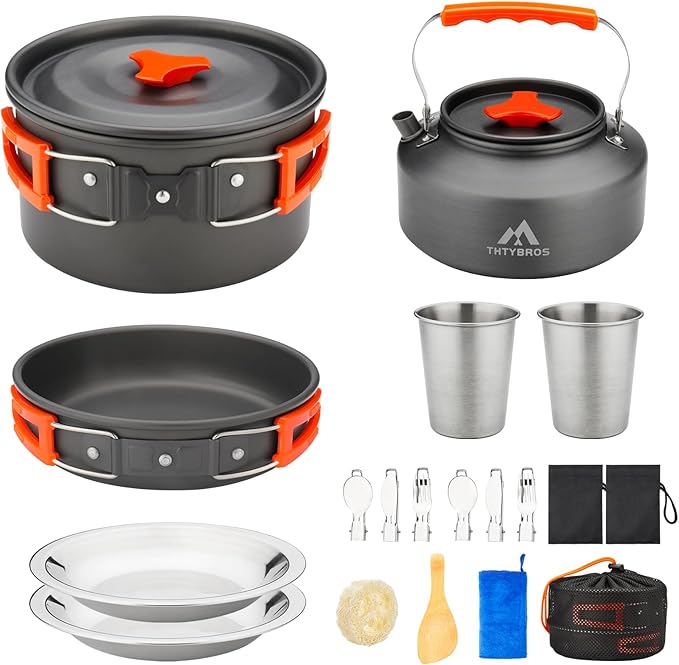
THTYBROS 17-Piece Camping Cookware Mess Kit
Pot, kettle, and frying pan plus 2 sets of cups, plates, and utensils - enough to cook and eat a real meal for two without packing the kitchen. Nests into its own carry bag.

Coleman Classic Rolling Cooler 100QT
100-quart rolling cooler with telescoping handle. Wheels matter when summer parking is a hike from the site.

LuminAID Titan 2-in-1 Solar Lantern
Inflatable 300-lumen solar lantern + phone charger. Bright, packable, and weather-resistant - pulls double duty.

Streamlight ProTac 2.0 Flashlight
High-output handheld flashlight. Long throw, runs on rechargeable or AA cells. The "find it in the dark" tool.
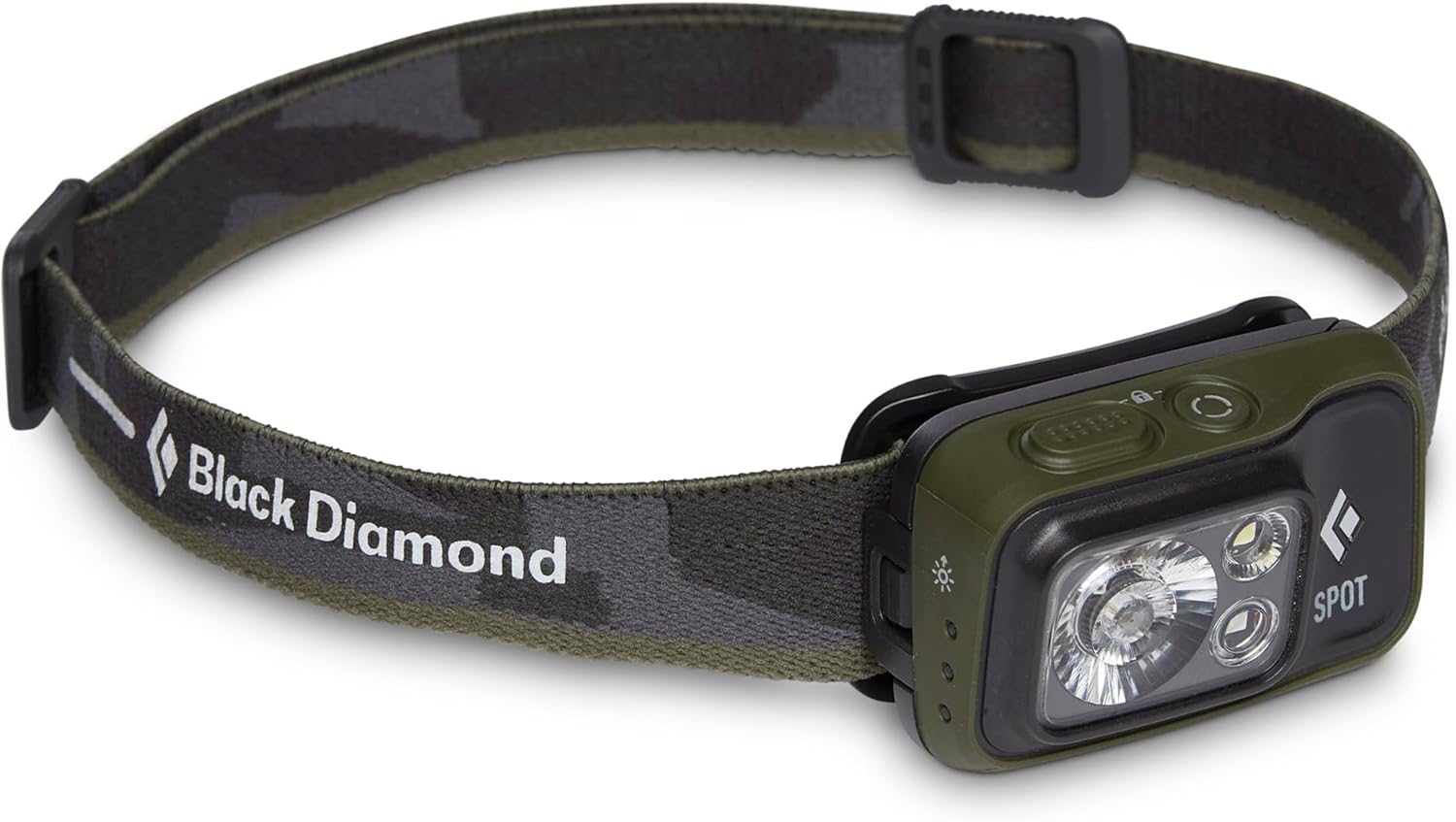
Black Diamond Spot 400 Headlamp
400-lumen headlamp with red night mode and waterproof rating. One per person is non-negotiable.

Gevoke 410-Piece First Aid Kit
410-piece first aid kit in a waterproof hard case. Comprehensive enough for two cars and a long weekend.
Comfort Upgrades

CORE 6-Person Instant Cabin Tent
Pop-up cabin tent for 6+. 60-second setup, near-vertical walls, fits two queen air beds. The size-up pick when you want room to stand. Replaces the discontinued Fanttik Zeta C6 Pro - same footprint and setup speed, and one of the best-reviewed instant cabin tents on Amazon (1,000+ ratings).

Kelty Wireless 6
Freestanding family tent with a full-coverage rainfly, two doors, two vestibules for wet boots and gear, and pre-attached guylines. 74-inch peak height and color-coded setup. The pick when the forecast looks wet or windy.

Sea to Summit Reactor Extreme Sleeping Bag Liner
Insulated Thermolite liner that Sea to Summit rates to add up to 25°F to a sleeping bag. Stretchy mummy cut with an opening footbox, and it keeps the bag itself clean.

Big Agnes Divide UnInsulated Pad
Lightweight self-inflating pad. Real comfort upgrade over foam, packs small.

MondoKing 3D Self-Inflating Pad
Thick self-inflating luxury pad. The closest a pad gets to a real mattress.

LOST HORIZON Air & Foam Mattress
Queen-size air-and-foam camping mattress. Built-in pump, stays inflated all night. The comfort pick for car camping.

Coleman Portable Chair with 4-Can Cooler
Folding camp chair with a built-in 4-can cooler in the armrest. Cheap, durable, surprisingly handy.
Convenience

Anker Zolo Power Bank, 20,000mAh
Built-in USB-C cable, 30W fast charging. Enough capacity to keep phones, headlamps, and the tent fan topped off for a weekend without hunting for an outlet.

Wakeman Outdoor Collapsible Trash Can
Folds flat, pops open at camp. 46-gallon capacity with a zippered lid and stakes to keep it put - keeps the site tidy and critter-resistant.
Trailstead Trip Pack
Take it with you: First Weekend Camp as a print-ready PDF.
Personalized timeline, packing list scaled to your party, curated gear, and a mistake-prevention guide. One pack, yours forever.
Print-ready PDF. Yours forever. No subscription.
Comparing plans?
Not sure between a Saturday-hike weekend and a comfort-first basecamp?
Wondering whether you need a plan at all? See the honest comparison.
Want the background reading first? Weekend Camping Packing List.
Frequently asked questions
What’s included in the Trip Pack?
- A printable PDF of the full plan: hour-by-hour timeline, packing checklist, gear setup notes, meal plan with a shopping list scaled to your party size, and the safety notes. Designed to print or live on your phone offline at the campsite.
Can I share it with my spouse or co-parent?
- Yes - family use is fine and expected. Forward the page link or the Trip Pack PDF to whoever is co-planning the trip. One purchase covers your household.
Is the gear list affiliate-linked?
- Yes, transparently. Some gear links are Amazon Associate links that pay Trailstead a small commission if you buy through them. Your price is identical either way, and we only recommend gear we’ve used with our own families.
Do I need camping experience to use this plan?
- No. The plan is built specifically for first-time campers. Every step assumes you’ve never set up a tent, cooked over a stove at a campsite, or slept outside with kids before. If you’ve done five-plus trips, you’ll find it too basic.
What if my trip details change?
- Re-take the five-question quiz with the new details - different ages, different number of nights, different comfort level - and the planner regenerates a fresh plan. The quiz is free and unlimited.
Why this plan instead of the others?
- The four plans map to four pacing archetypes: a single-night backyard test, one easy first night out, a real first weekend, and a relaxed three-night basecamp. The comparison page lays them side-by-side so you can see which one fits your family right now.
Is Trailstead Guide worth it?
- The plan you’re reading is free. The optional Trip Pack PDF is a small upgrade - about the cost of a couple of Gatorades - for families who want a printable, offline-friendly version they don’t have to rebuild the night before. Skip the upgrade and use the free plan as-is.
Take it with you
Get this plan in your inbox
Email a link, or grab the print-ready Trip Pack PDF.