With dogs
Camping With Dogs for the First Time
The leash rules, the prep, and the real heat risk that nobody warns you about.
By William Blacklock · Last updated April 2026


The version of dog camping that actually works
A first camping trip with a dog goes well when the dog has been prepared for it - and goes badly when people assume that because their dog is fine in the backyard, the dog is fine at a campground. The unfamiliar smells, the constant leash tether, the closer-than-usual sleep arrangement, and the wildlife outside the tent all stack up. The good news: a few weeks of pre-trip prep make the trip a non-event.
- Goal of trip one: dog settles, sleeps in the tent, eats normally, and you do not get a noise complaint.
- Trip-killers: dog barking through quiet hours, dog overheating, dog off-leash in a leash-required park, dog drinking standing water and getting sick on day two.
- The prep that works: leash-settle training, recall, gear practice at home, and a one-night test close to home before the bigger trip.
Pick the dog-right campground
Where dogs are welcome
- State parks. The default first call. Most US state parks allow leashed dogs at the campsite and on park trails. Leash rule is almost always 6 ft. There is usually a small per-night dog fee or none at all.
- Private campgrounds and KOAs. Generally dog-welcome, often with fenced dog runs and dedicated dog-walk areas. Read recent reviews - some are dog-loving, some merely dog-tolerant.
- National forests and BLM dispersed sites. Most permit dogs on most trails. Less infrastructure but more freedom - save for trip three or four.
Where dogs are restricted
- National parks. The big restriction. Most NPS sites allow dogs at the campground and on paved roads, but ban them from trails - including iconic ones at Yosemite, Yellowstone, Glacier, the Smokies. If you want to hike with the dog, pick a state or national forest, not a national park.
- Beaches and wilderness. Some beach campgrounds restrict dogs in summer for nesting birds. Some designated wilderness areas have leash rules that change seasonally. Check before you go.
- Wildlife refuges and waterfowl areas. Often dog-restricted year-round. Not a beginner choice.
Pre-trip prep: the four weeks before
Vet check and paperwork
- Annual vaccines current - rabies certificate, DHPP, bordetella (kennel cough). Bring the rabies certificate paper copy in your glove box.
- Flea, tick, and heartworm preventatives current. The campground is a tick environment - assume yes.
- Microchip registered with your current phone number. The campground is also where dogs slip leashes.
- If your dog has medication, pack a 2x supply in case the trip extends.
Training to actually do at home
- Leash settle. Practice having the dog lie down quietly on a leash for 30+ minutes while you do other things. The campsite is a long stretch of leash-settle.
- Recall. A reliable “come” command, including with distractions - other dogs, food, squirrels. Even at leash-required campgrounds, the moment the leash slips matters.
- Tent introduction. Pitch the tent in the living room or backyard. Let the dog go in and out. Feed a meal inside. Sleep one night with the dog inside the tent at home before the campsite.
- Crate or sleep-spot familiarity. If the dog has a bed at home, that bed comes camping. Familiar smell on a new floor is a third of the “will the dog settle” question.

At the campsite - the rules nobody tells you
Leash rules
- 6-foot leash, on the dog at all times outside the tent. This is the law at almost every state park and the rule at most private campgrounds.
- Tied off to a stake or a tent loop when you are not holding it. Never tied to a picnic table - tables move.
- A long “tie-out” cable or a stake-and-swivel is fine for the campsite, but coil it back to 6 ft for any walk to the bathroom or around the campground.
- Off-leash recall is not an off-leash permit at most parks. Even if your dog is perfect, the leash rule is the rule.
Tent etiquette
- Dog sleeps inside the tent, on a closed-cell foam pad or dedicated dog bed.
- Wipe paws and brush off as much dirt as practical before zipping in for the night.
- Towel for muddy paws kept at the tent door.
- Water bowl inside the tent is fine; food bowl is not - food in the tent attracts wildlife.
- If the dog has motion sickness on the drive, set the tent up before feeding the first meal.
Leave-no-trace, applied to dogs
- Pack out all dog waste. Bury-it advice for human waste does not apply to dogs - dog waste contains parasites and bacteria that wildlife do not. Bring more bags than you think you need.
- Carry a dedicated waste bag holder or a small dry bag for filled bags. Saves the smell on the drive home.
- Off-trail running is also off-rules at most parks. Trampled wildflowers and dog scent in nesting areas are real impacts.
- Quiet hours apply to your dog, too. A barking dog at 11pm can get you a ranger visit and a campsite eviction.
Heat - the part most first-timers underestimate
Dogs do not regulate heat the way people do. They sweat only through their paw pads and lose heat by panting. In hot, humid weather, panting is not enough. Heatstroke in dogs is fast - 15 minutes from “a little tired” to “medical emergency.”
Hot-weather rules:
- Hike at dawn or after 5pm in summer. Skip midday entirely above 80°F.
- Check rocks and pavement with the back of your hand. If it is too hot for your hand for 5 seconds, it is too hot for paws.
- Continuous shade and water at the campsite. A 10x10 canopy plus the picnic-table tarp run all day.
- Watch for heatstroke signs: excessive panting, drooling, glassy eyes, lethargy, vomiting, collapse. Move to shade, wet the dog with cool (not cold) water, drive to the nearest vet if symptoms persist.
- Brachycephalic breeds (pugs, bulldogs, boxers, French bulldogs) - bring them only on cool-weather trips. They cannot pant efficiently and overheat in conditions other dogs handle fine.
See also: Camping in a Heatwave for the human side of the same problem.
Cold - and dogs in the cold
Most beginner concerns about dog cold are overblown for dogs over 25 lb with a normal coat. The exceptions: short-haired small dogs, very old or very young dogs, and any breed without an undercoat (greyhounds, pointers, vizslas).
- Inside the tent overnight is warmer than outside. The dog warms the tent; the tent shelters the dog.
- A dedicated dog jacket is worth bringing for cool-weather camping. Look for one that covers the chest and belly.
- Closed-cell foam pad under the dog. The cold ground steals heat through fur the same way it does through a sleeping pad.
- If the dog will not settle and is shivering, bring them into your sleeping bag. This is not weird - it is how everyone with a small dog handles a cold night.
What to bring (dog-specific)
The dog kit
- 6 ft leash for walks + a 15 ft trolley-style tie-out for the campsite. The KATOLK Upgraded Dog Tie Out Cable (~$29) is the one I use - heavy-duty cable, screw-in stake, gives the dog real range without wandering into the next site. Brand-agnostic otherwise - buy what fits your dog.
- Dog bed or closed-cell foam pad for inside the tent.
- Two collapsible bowls - one for food, one for water.
- Dedicated dog water container - a half-gallon jug is enough for a one-night trip with a 50-lb dog; double for two nights or hot weather.
- Three meals worth of food, packed in a sealed dry bag (mice and raccoons love dog food).
- Treats - useful for recall reinforcement and for getting the dog into the tent at bedtime.
- Waste bags - at minimum 2x what you think you will use, plus a sealed holder for the filled ones.
- Towel for muddy paws + a small brush.
- Tick comb. Tick-check the dog every evening before the tent.
- Rabies certificate copy and any current medications.
- Reflective collar or a small clip-on light. The campground at 9pm is dark.
Common dog-camping mistakes
- Letting the dog off-leash because “she is friendly.” The single biggest dog-camping complaint at any campground is loose dogs that wander into other sites. It does not matter that yours is a sweetheart - other campers, other dogs, and rangers do not know that, and one off-leash incident with a reactive dog turns into a very fast end to your trip. Stay on the 6 ft leash or the long line, every time.
- Skipping leash-settle practice. A dog that cannot settle on a leash for two hours at home will not settle for two hours at a campsite full of squirrels and other dogs. Practice in the backyard a week before the trip, not at the site.
- Letting the dog drink from creeks and lakes. Giardia, leptospirosis, and late-summer blue-green algae are present in most natural water. Bring all the water the dog drinks.
- Underestimating heat - and skipping the tick check. A 90°F campsite can kill a dog left in a car or a fully-sun-exposed site. Shade is not optional. And run a tick comb over the dog every evening before the tent - Lyme cases are climbing year over year, and one missed tick on the trip becomes a vet visit a week later.
- Leaving the dog tied outside the tent at night. Quiet-hours rule violations get noticed fast, and a tied-out dog is a magnet for raccoons and curious passers-by. Inside the tent is warmer, quieter, and what rangers expect.
Simple gear setup for camping with a dog
The standard family-camping kit, calibrated for one well-behaved leashed dog. The dog gear is in addition to the human gear, not a substitute for it.
- Tent. Coleman Sundome 4-Person (~$68). Size up - a 4-person tent for two adults plus a 50-lb dog is the right floor space.
- Sleeping bag. Coleman Brazos Sleeping Bag (~$54). Roomy enough that a small dog can curl up at your feet on a cold night.
- Sleeping pad. Big Agnes Divide UnInsulated Pad (~$100). For you. The dog gets a closed-cell foam pad or a dedicated dog bed.
- Stove. Coleman 1-Burner Propane Stove (~$40). Fast meals leave more time for the dog walk before bed.
- Cooler. Coleman Classic Rolling Cooler 100QT (~$107). Wheels matter when you are also juggling a leash and a water jug.
- Lighting. LuminAID Titan 2-in-1 Solar Lantern (~$75). One on the picnic table, one inside the tent for late-night dog needs.
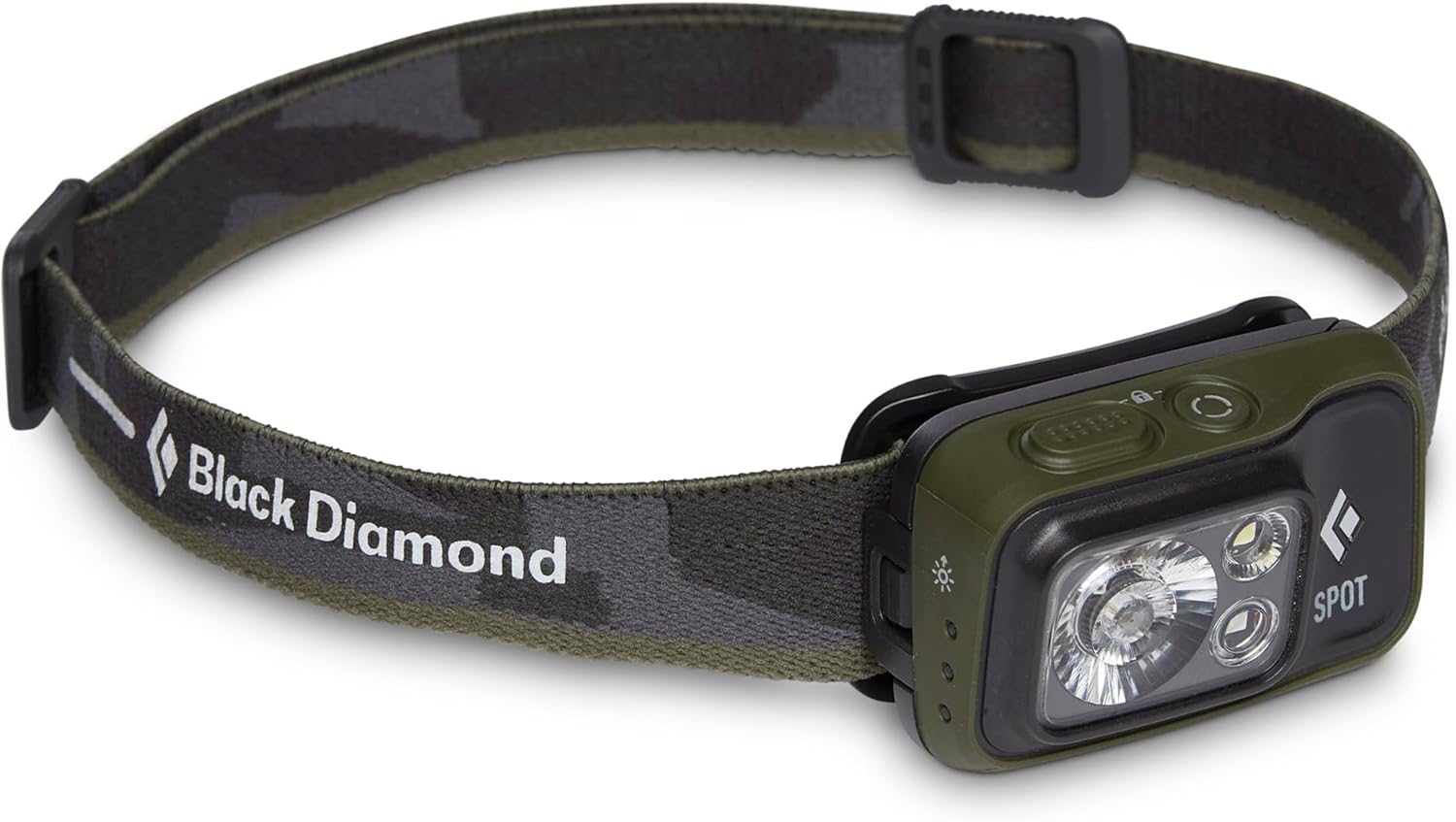
- Headlamp. Black Diamond Spot 400 Headlamp (~$60). For the inevitable 3am dog bathroom run.
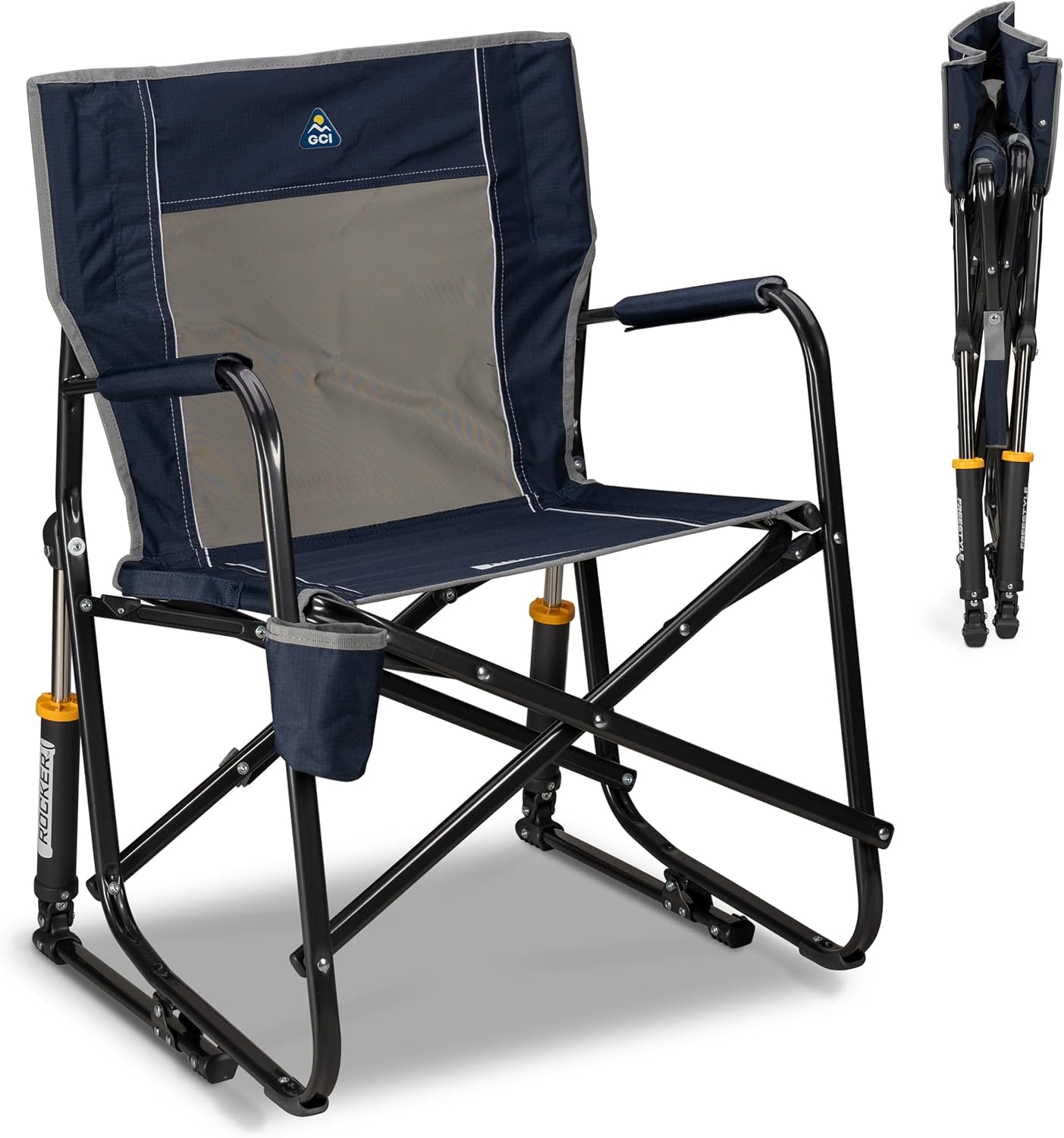
- Camp chair. GCI Outdoor Freestyle Rocker (~$80). The chair you can sit in for two hours of leash-settle.
- Dog kit. 6 ft leash, 15 ft tie-out, two collapsible bowls, half-gallon water jug, dog bed, waste bags + holder, tick comb, treats. Brand-agnostic - buy what fits your dog.
Where this fits in the larger plan
A first dog-camping trip works best as a comfortable, low-stakes weekend at a state park. The right plan template is Easy Family Basecamp - slow pace, real bathroom access, and the kind of comfortable site where a leash-tethered dog has a place to lie down. If you want to start even smaller, do a Backyard Test first to confirm your dog will settle in the tent at all. Or take the 5-second quiz and we'll match a dog-friendly starter plan to your dates.
Frequently asked
Are dogs allowed at most campgrounds?
State parks and private campgrounds: usually yes, leashed. National parks: at the campground but not on most trails - pick state parks or national forests if you want to hike with the dog.
Where does the dog sleep?
Inside the tent on a foam pad or dedicated bed. Outside-the-tent sleeping invites barking at every passing animal and a quiet-hours complaint.
How much water does my dog need at camp?
About 1 ounce per pound of body weight per day, more in heat. Bring all of it - do not let the dog drink from creeks or lakes.
What is the heat risk?
High and underestimated. Dogs cool by panting, which fails fast above 80°F. Hike in the early morning or late evening, never midday. Shade and water all day.
What training matters most?
Leash settle and recall. Practice both at home for several weeks before the trip - at the park, with distractions, and inside while leashed.
How long should the first trip be?
One night, close to home. Anything new takes more out of a dog than you expect.