First night
First Night Camping Guide
What success actually looks like - and how to plan a first night you will repeat.
By William Blacklock · Last updated April 2026


The honest goal of your first night
Your first night camping is not a wilderness adventure. It is a test. You are checking three things, in this order: can you sleep outside, can you cook a meal outside, and can you and the people you brought spend an evening together with no walls. Everything else - the photos, the hike, the campfire songs - is optional.
- Success looks like: tent up before dark, one hot thing cooked outside, asleep at some point, awake and intact in the morning.
- Success does not look like: Instagram-ready breakfast, eight hours of perfect sleep, three meals cooked from scratch, every kid happy at every moment.
- The whole evaluation: would you do this again? If yes, the trip worked.
Pick the lowest-stakes version that still counts
The biggest first-night mistake is booking too much trip. Three nights, two-hour drive, an “epic” first destination - that is how a first attempt becomes a last attempt. Pick the smallest version that still teaches you what you need to know - or take the 5-second quiz and we'll match one to your dates and party. There are three reasonable starting points:
- Backyard Test. The right first call if you have never slept in a tent. You learn whether your sleeping pad works, whether the tent leaks, and whether your kid can settle without the bedroom - and the house is twenty feet away if anything goes sideways.
- First Night Camp. One night, one car, a state park within 45 to 90 minutes of home. The whole evening reads like a forgiving rehearsal for everything bigger.
- One car-camping night with friends who already camp. If you can borrow somebody else's competence for the first night, the learning curve halves. You do not need to figure everything out alone.
Where the first campsite should actually be
- Under 90 minutes drive. Short drive in, short drive out. If the night does not work, bailing should be a 90-minute drive, not a four-hour highway slog.
- State park, not dispersed land. Real bathrooms, potable water, a ranger on call. Wait until trip three to discover the romance of the national forest dirt road.
- A site you can pull a car next to. The first trip is car camping. Walking gear in over a quarter-mile is a trip-three move.
- Forecast: 50-75°F nights, low wind, no rain. Pick the calmest weather window you can. Save weather drama for after you have one trip in.

The fears that almost everyone has - and what actually happens
“What if I cannot sleep?”
You probably will not sleep well. Almost no one does on night one. Every passing car, every wind shift, every owl is unfamiliar. Pack earplugs and an eye mask, accept that you will be tired the next day, and notice that the second night in a tent is almost always better than the first. The poor first sleep is the rite of passage, not the reason to quit.
“What if I have to use the bathroom at 3am?”
You probably will. Plan for it: headlamp on a hook by the tent door, shoes inside the vestibule, the campground bathroom location noted before sundown. If you are at a primitive site, a wide-mouth pee bottle for the tent is the answer most experienced campers eventually adopt and nobody talks about. Bring one.
“What if it rains?”
Pitch the tent with the rainfly on, even if the forecast is clear. Stake every guy-out point. Put a plastic bin or a contractor trash bag inside the tent for anything you do not want wet. A 3-season tent with a properly pitched fly handles steady rain fine. The trip is salvageable; you just need to have set up well in the dry part of the day.
“What if I cannot get the tent up?”
Pitch it once at home in the backyard or living room before you leave. Twenty minutes of practice in the daylight beats forty-five minutes of stress at the campsite at 7pm. Watch the manufacturer's pitch video. Most modern tents are color-coded - pole-color matches grommet-color - and once you see it once, the muscle memory holds.
“What if the kids hate it?”
Read our Camping With Kids guide before you go. The short version: kids match the energy of the adults. If you are stressed, they are stressed. Bring snacks, a flashlight per kid, and one familiar comfort item from home. Most “kids hated camping” stories are actually “adults overpacked the schedule” stories.
Pick your fallback comfort level before you go
Decide in advance which level of bail-out you are comfortable with. Naming the fallback up front turns it from a failure into a planned move.
- Hardcore fallback: drive home, no shame. Useful when home is under an hour away and a real emergency makes the night unsafe.
- Cabin fallback: book a cabin or motel within 20 minutes of the campground for the same night. You sleep, the trip ends gracefully, you keep the gear in one piece. Many state parks have rentable cabins.
- Tent-but-quit fallback: sleep in the tent until 4am, then everyone gets up, breaks camp, and drives home in the early morning. Works fine. Counts.
- Plan B in writing. Tell your party out loud, before you leave: “If anyone is genuinely miserable at 11pm, here is what we do.” That single sentence prevents most ugly fights.
What to actually pack for the first night
Stop optimizing. The first-night packing list is not a backpacking list - you have a car. Bring the comfortable thing. You will trim later trips down once you know what you actually use.
Sleep system (the one part to get right)
- 3-season tent. Pitch the fly, even on a clear forecast.
- Sleeping pad rated R-value 3 or higher. Cold ground steals more heat than cold air.
- Sleeping bag rated 20°F. Even in summer, the night gets cooler than people expect.
- A real pillow from home. The compressible camp pillow is for trip ten.
Cooking and food
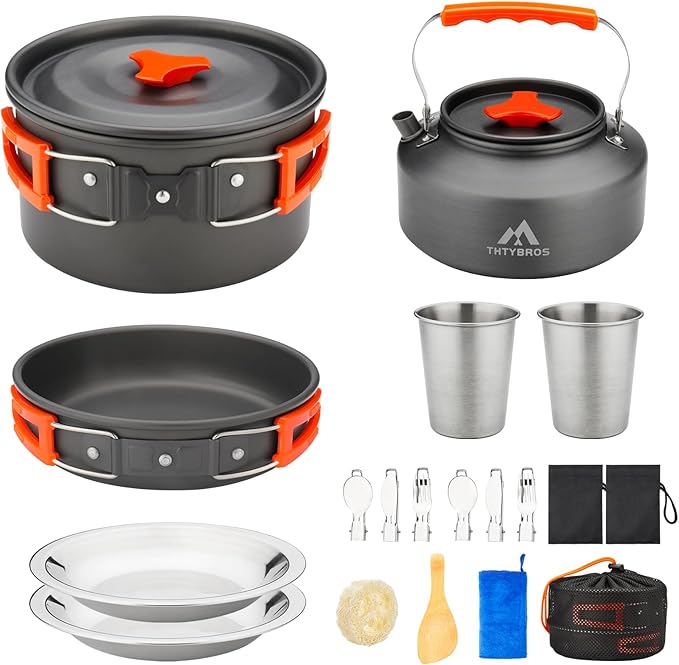
- Propane stove, one canister, lighter, plus a backup lighter.
- One cooked dinner, planned and pre-prepped at home. Foil-pack chicken, hot dogs, or pasta - pick the one you would cook on a Tuesday.
- Breakfast: instant coffee or a pour-over, oatmeal, fruit. Do not invent a 4-step breakfast on day one.
- One gallon of drinking water per person. Do not assume the campground spigot is on.
- Snacks. More than you think.
Light
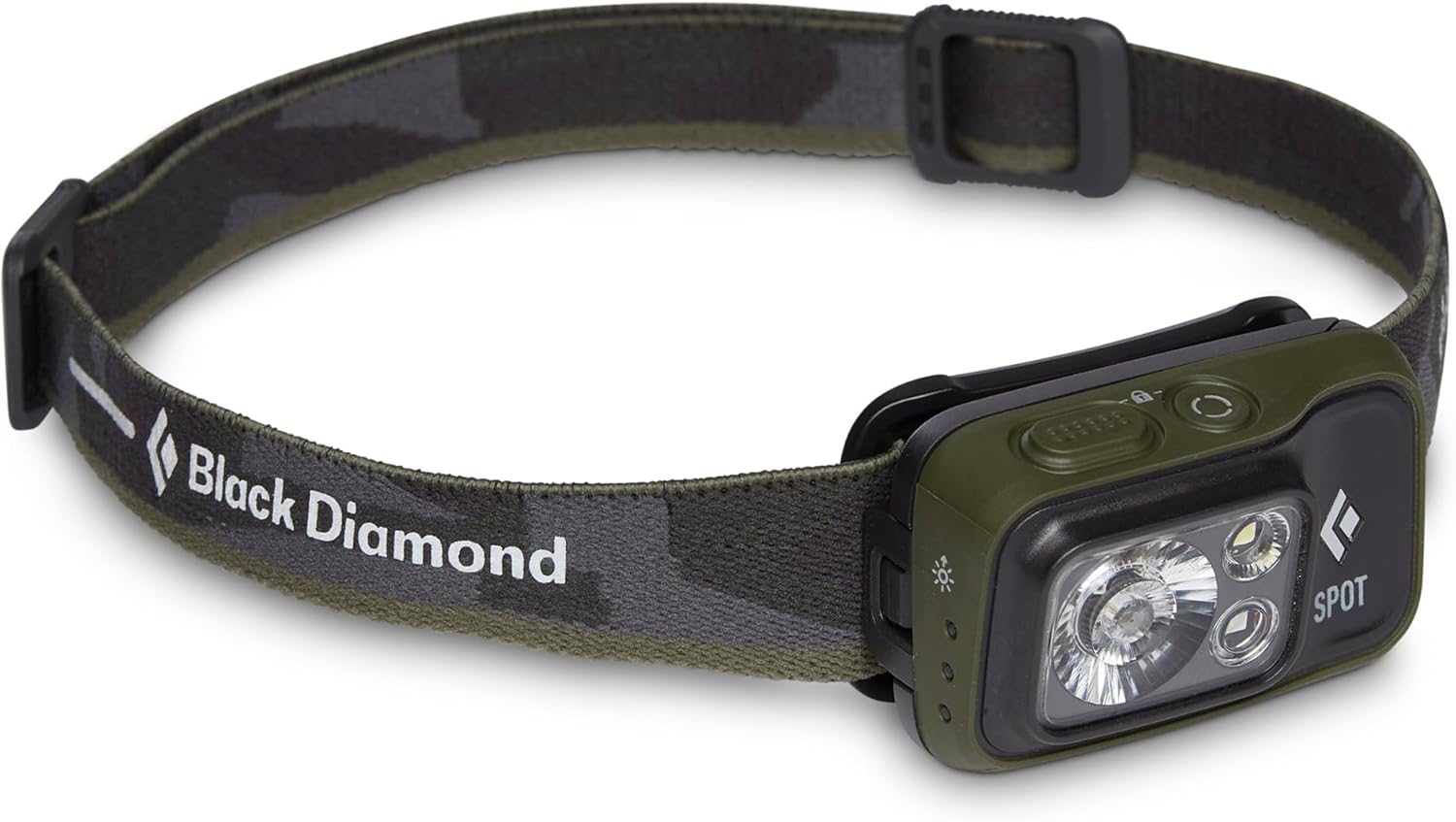
- One headlamp per person, batteries fresh.
- One lantern for the picnic table.
- One small flashlight in a known pocket. Backup for the headlamp that will somehow disappear.
Safety, comfort, and the often-forgotten extras
- Basic first-aid kit. Bandaids, ibuprofen, anti-itch cream, tweezers.
- Bug spray (DEET or picaridin) and sunscreen.
- Hand sanitizer and toilet paper, even at a campground with bathrooms.
- Trash bags. More than you think - wet clothes, dirty dishes, packing out.
- Earplugs and an eye mask, one set per adult.
- A book, a deck of cards, or a downloaded movie. The evening is longer than you expect once the sun goes down. If you want something the whole group can play at the picnic table, a few printable card and party games fill that hour without screens.
Common first-night mistakes
- Booking three nights for the first trip. One night gives you all the data you need without trapping you in a setup that does not work. Go home, fix what was wrong, book again.
- Driving in after dark. The single biggest cause of a miserable first night is arriving at 9pm and pitching a tent by headlamp. Leave the house in time to be at the site by 5pm at the latest.
- Only test-pitching the tent - and skipping every other piece of gear. The tent is rarely what fails on a first trip. The stove that has not been lit since last summer, the air mattress with a slow leak, the lantern with corroded batteries - those are what fail. Run every piece on the driveway.
- Cheap sleeping pad. An $18 foam pad does not insulate you from a 55°F ground. The whole night fails. Spend the $75 on a real pad before you spend anything on premium tents or cookware.
- Waiting until you are already cold to add layers. Camp temps drop the moment the sun clears the trees. Put on the fleece, beanie, and warm socks before dinner - once you are cold in a tent, an hour of fire-staring barely brings you back.
Simple gear setup for night one
A first-night kit calibrated for “will I do this again” - not for a thru-hike. Mid-range, proven, replaceable. Skip the boutique brands until you know what you actually want.
- Tent. Coleman Sundome 4-Person (~$68). The forgiving first tent - easy pitch, real rainfly, room to sit up.
- Sleeping bag. Coleman Brazos Sleeping Bag (~$54). Roomy fit, cool-weather rated. Covers most spring/summer first-trips; add a liner for cold ones.
- Sleeping pad. Big Agnes Divide UnInsulated Pad (~$100). Self-inflating, packs small. The piece that matters most for sleep.
- Stove. Coleman 1-Burner Propane Stove (~$40). Boils water in three minutes, no learning curve.
- Headlamp. Black Diamond Spot 400 Headlamp (~$60). One per person, no exceptions.
- Lantern. LuminAID Titan 2-in-1 Solar Lantern (~$75). One for the picnic table, one inside the tent.
- Cooler. Coleman Classic Rolling Cooler 100QT (~$107). Wheels make the walk in from the parking lot a non-event.
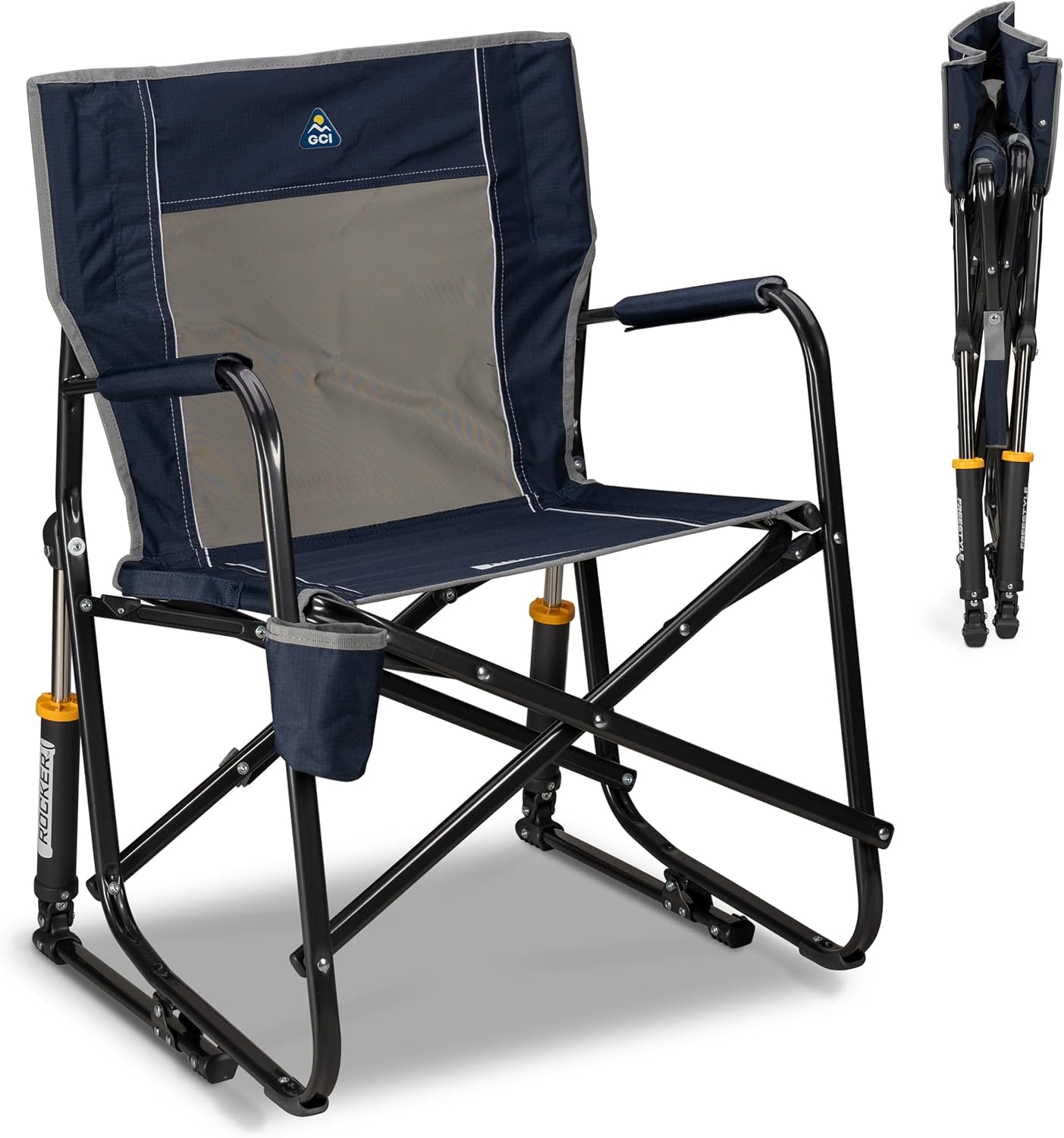
- Camp chair. GCI Outdoor Freestyle Rocker (~$80). One per adult. The chair you actually want to sit in for the long evening.
The night, hour by hour
- By 5pm: at the site. Tent up. Sleeping bags out. The hard work is done in the daylight.
- 5-6pm: walk the campground. Locate the bathroom. Note the route from your tent.
- 6pm: light the stove, cook the dinner you planned at home. One pot, one pan, hot.
- 7-9pm: dishes, sit, talk. This is the hour the trip is actually for.
- 9pm: headlamp and a book in the tent. Lights out by 10.
- 3am: probably awake. You expected this. Sip water, listen to the woods, sleep again.
- 7am: coffee, pack up, drive home. You did it.
Frequently asked
What does success look like on a first night?
Tent up before dark, one hot meal outside, asleep at some point, home in the morning still on speaking terms with whoever you went with. That is the whole bar.
Should I do a backyard test or go straight to a campsite?
A backyard test is the lowest-stakes version. If you have never tent-camped, do that first - it costs nothing, you can bail to the house, and you find broken gear on a forgiving night.
How far from home for the first trip?
Under 90 minutes drive, ideally under 45. The first trip should be small enough that bailing is not a crisis.
What if I cannot sleep at all?
Plan for it. Most people sleep poorly the first night. Bring earplugs and an eye mask, accept that you will be tired, and notice that night two is always better than night one.
How long should the first trip be?
One night. Maybe two if you have a confident partner along. The single most common first-trip mistake is booking too much trip.
Do I need to buy all the gear?
No. Borrow the tent, borrow sleeping bags, buy a cheap headlamp and a real sleeping pad. Find out what you actually use before you spend money on the rest.