Planning
How to Plan a Camping Trip
A step-by-step planning walkthrough. Start 3 weeks out and you'll arrive calm instead of frazzled.
By William Blacklock · Last updated April 2026


3 weeks out: pick the trip
One caveat on lead time: 3 weeks works for lesser-known state parks, county parks, and most weeknights. For popular state or national parks on a prime-weather weekend (May-September), you need to book the day the reservation window opens - typically 6 months ahead, sometimes a year for headliners like Yosemite, Rocky Mountain, Olympic, or Acadia. If your target weekend is inside that window and the parks you want are full, switch to mid-week, a smaller park, or a private campground (KOA, Hipcamp).
- Choose a weekend. Block it on the calendar like it's already paid for
- Pick 3 candidate campgrounds within 90 minutes
- Check availability on ReserveAmerica or the state park site
- Book the one that has bathrooms and a water spigot near the site
2 weeks out: inventory your gear
- Lay everything out on the floor of the garage
- Pitch the tent. Look for missing poles, tears, leaks
- Light the stove. Check the fuel canister is not empty
- Make a list of everything you need to buy, borrow, or rent - cross-check against the first camping trip checklist
1 week out: meals & shopping
- Write down every meal: Fri dinner, Sat breakfast, Sat lunch, Sat dinner, Sun breakfast
- Keep it simple. Don't plan anything that requires more than one pot
- Pre-chop vegetables at home and bag them
- Freeze water bottles - they become ice, then drinking water
The day before
- Pack the car completely. Not partially. Completely.
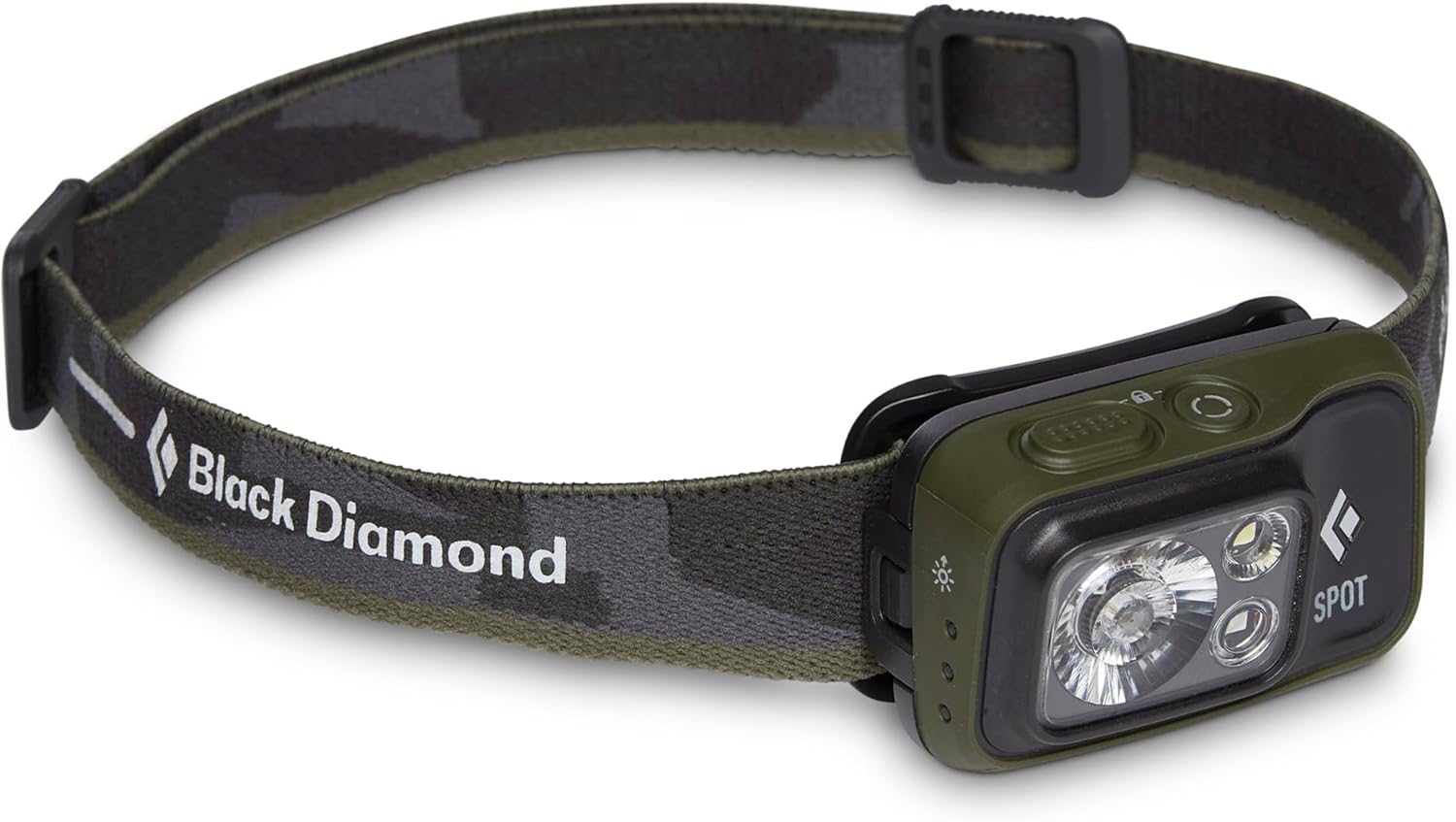
- Charge phones, headlamps, and the portable battery
- Pull up driving directions and screenshot them (no signal at the campsite)
- Tell someone where you're going and when you'll be back
Morning of
- Leave by 9am. Arrive by noon.
- Don't stop for a long lunch. Eat in the car or at a gas station.
- Grocery store run, if needed, goes on the way, not from the site.
When to stop planning
Over-planning is a real failure mode. Once you have a site booked, a gear list, a meal plan, and a packed car, you're done. The rest is execution - and execution is much easier once you're physically there. If you want this whole sequence handed to you for a specific weekend, take the 5-second quiz and we'll match a starter First Night Camp or weekend plan to your party.
How to actually pick a campsite (not just a campground)
Most booking sites let you pick a specific site within the campground. This matters more than the campground itself. A few heuristics:
- Look at the satellite view. Google Maps overlays the campground. Check tree cover, distance from the main road, proximity to a creek or beach.
- Avoid sites next to the bathroom block. Foot traffic all night, loud doors, automatic lights.
- Avoid the first site at the entrance. Everyone drives past you with headlights on.
- Avoid the ones backing onto the main road. Road noise ruins the quiet you came for.
- Target mid-loop sites on a dead-end spur. Quiet, walkable, often the best sites.
If you can choose, pick an even-numbered or odd-numbered side of a loop based on morning sun - east-facing for warmth, west-facing if you hate being woken at 6am by the sun.
The pre-trip gear test
Two weeks out, do this in one afternoon and save yourself a disaster at camp:
- Pitch the tent in the yard. Check every pole, zipper, and stake. Tent should fully assemble in under 15 minutes.
- Light the stove. Fuel canister attached, knob turned, spark lit. If it doesn't work now, it won't work at camp.
- Test headlamps. Batteries die sitting in a drawer for a year.
- Inflate the air mattress if you're bringing one. Listen for leaks for an hour.
- Check the cooler drain plug. You'd be surprised.
Backup plans (because things go wrong)
Every well-planned trip still hits a snag. The plan includes knowing what to do when it does:
- Rain all weekend: most state parks let you reschedule for a small fee up to 48 hours out. Check the cancellation policy when you book.
- Sick kid day-of: go home or don't leave. Camping with a sick kid is a recipe for a sicker kid.
- Forgot something essential: note the nearest Walmart or camp store before you leave. Usually 15-20 minutes out.
- Gear fails at camp: Sleep in the car. Buy a replacement in the morning or drive home.
- Unexpected weather alert: rangers will come around. Listen to them. Severe storms at unfamiliar sites are serious.
Planning with other families
Camping with another family is easier in some ways and harder in others. A few things to line up before you book two adjacent sites:
- Match ages roughly. Kids within 3 years of each other entertain themselves. Wider gaps and you're managing more than one peer group.
- Align on bedtime. One family that wants quiet by 9 and another that wants to stay up by the fire until midnight is a recipe for resentment.
- Split the kitchen. One family cooks dinner Saturday, the other Sunday breakfast. Nobody duplicates pots and pans.
- Book adjacent sites, not sharing a site. Everyone needs their own tent pad and picnic table. Hanging out together is easy. Sharing a site is not.
- Agree on an alcohol baseline. Wildly different norms on drinking is a common source of quiet camping friction.
Budgeting a weekend trip
People assume camping is free. It isn't, but it's the cheapest real family weekend there is. A realistic budget for a family of four, two nights, if you already own the major gear:
- Campsite × 2 nights: $50-$90
- Firewood (2 bundles per night): $30
- Block ice × 2: $10
- Groceries (2 dinners, 2 breakfasts, lunch, snacks): $80-$120
- Gas: $25-$50 depending on distance
- Reservation fee: $8
About $200-$300 for two nights out. Compare to a hotel weekend anywhere interesting and it's roughly a quarter the cost. The marginal cost of the third trip of the year is even lower - gear is paid off, routines are in place.
Frequently asked
How far in advance should I book?
3 to 6 weeks for summer weekends. Premium sites at top parks open 6 months out and fill in minutes.
Best booking website?
Recreation.gov for federal sites. ReserveAmerica for many state parks. Check the state park website directly if neither lists it.
How do I pick between sites?
Level ground, afternoon shade, near but not next to bathrooms. Use the satellite view on Google Maps to scout.
What time should I arrive?
Noon to 3pm. You need at least two hours of daylight for setup and dinner prep.
Should I plan every meal?
Yes. Write out every meal, build one grocery list, and prep what you can at home.
What if my campsite has no cell signal?
Assume it doesn't. Screenshot your reservation, download offline maps, and tell someone at home your itinerary and expected return time. Many state parks have a pay phone or ranger station; note the emergency numbers on paper.
Can I bring my dog camping?
Most state parks and national forests allow dogs on a leash at campsites and on trails. Always confirm on the park website. Bring a tie-out stake, extra water, a bed, and poop bags. Never leave a dog alone at a site.