Bad weather
Camping When the Weather Turns
The bail decision, the lightning rules, and what to do when the forecast shifts on you mid-trip.
By William Blacklock · Last updated April 2026


The decision frame
A forecast turning during a trip is a normal camping experience. It is not an emergency by default - but it becomes one if you treat “we already drove here” as a reason to stay. The question is not whether to camp in bad weather. The question is which kind of bad weather you stay for and which kind you leave for.
- Stay-and-camp: rain, cool nights, broken sleep, light wind, brief showers.
- Leave preventively: thunderstorm in the next 6 hours, flash flood watch, sustained 30+ mph winds, snow on a 3-season setup.
- Leave immediately: tornado watch, flood arriving, lightning in the campground, hypothermia symptoms in anyone.
- Default rule: earlier is always cleaner. If you are asking whether to leave, the answer is usually yes.
Lightning - the rules nobody teaches
Lightning is the most-misjudged camping risk. Most strikes happen at the leading and trailing edges of a storm, not the middle - meaning “the rain hasn't started yet” and “the rain has stopped” are both high-risk windows.
The 30-30 rule
- 30 seconds: if you hear thunder less than 30 seconds after seeing lightning, the strike is under 6 miles away. You should already be in shelter.
- 30 minutes: stay in shelter for 30 minutes after the last thunder. The storm cell can drift past and still throw bolts behind it.
Where to be
- Best: a hard-roof building. Most state parks have a bathroom or shelter within walking distance - that is the answer.
- Good: inside your car with the windows up. The metal frame routes the strike around you. A convertible with the soft top up does not count.
- Bad: a tent. Tents are not lightning shelters - there is no metal frame to conduct around you, and the rainfly does nothing for electrical risk.
- Worst: open ground, ridge tops, the tallest tree in the area, water, or near metal fences.
If you cannot reach shelter
- Move to lower ground if you are on a ridge or summit.
- Get away from isolated tall trees. A grove of similar-height trees is safer than a single big one.
- Lightning crouch (squatting on the balls of your feet, hands over ears, head tucked) reduces strike likelihood - but is a last resort, not a substitute for shelter.
- Spread out - if your group is together, lightning that strikes one person can side-flash to others within 20 ft.
Flash floods - the underestimated killer
Flash floods kill more campers and hikers than lightning, hypothermia, and bear attacks combined - almost always in cars trying to cross flooded roads. The rain at your site is not the rain that matters. The rain upstream is.
Flash flood awareness:
- Know your watershed. Is your campground in a canyon? Downstream of mountain terrain? On a creek floodplain? If yes, take any flash flood watch seriously.
- Watch for upstream rain. A clear sky over your site does not mean it isn't pouring 10 miles up the canyon.
- Move to high ground. If you are camped on a creek bank or in a low-lying tent pad, move during the watch - not during the warning.
- Never drive through flowing water. “Turn around, don't drown.” Six inches of moving water can sweep a small car. Two feet can move a truck.
- Wait it out. Most flash floods clear in 2-6 hours. A wait at a high point is always safer than a drive across water.

The bail decision
Bailing is a skill, not a failure. The earlier you decide, the cleaner the bail. Wet pack-up is fine. Dangerous pack-up is not.
Conditions that should trigger a bail:
- Forecast revision to severe weather: thunderstorms in the next 6 hours, tornado watch, flash flood watch, sustained 30+ mph winds.
- Critical gear failure: sleeping bag soaked, tent poles broken, fly torn, stove not working in cold rain.
- Hypothermia signs in anyone: shivering that does not stop, slurred speech, confusion, withdrawal, fumbling motor skills. Pack the car immediately.
- Cold-injury risk in kids. Kids cool faster than adults and report it later. Cold + wet + tired in a kid = leave now.
- Driving access at risk. Forest service dirt roads turn impassable in rain. If the road is borderline, leave before it gets worse.
How to bail cleanly
- Get the dry stuff into the car first: sleeping bags, dry clothes, electronics, kid comfort items. Wrap in trash bags or dry bags.
- Get people warm and dry next: kids in the car with the heater on, adults in dry layers.
- Break the tent down with the fly still over the body - the wet outside ends up on the outside of your bundle.
- Wet tent into a contractor trash bag, then into the trunk. Do not roll it tight - wet rolled tents grow mildew in 24 hours.
- Drive out at a normal speed. Bail decisions are about leaving safely, not racing the storm.
- Set the tent up at home within 24 hours to dry. Re-book for next weekend.
If you are stuck in place
Sometimes leaving is not safe - the road is closed, the storm is overhead, or driving in conditions is more dangerous than staying. In that case, the goal shifts from “leave” to “ride it out safely.”
Ride-it-out plan:
- Move to the safest tent site available. Higher ground, away from creek beds, away from the tallest trees, near a hard-roof building if possible.
- Stage gear inside the car. Sleeping bags, dry clothes, kid comfort, food, water, headlamps. Make the car your shelter-of-last-resort.
- Tell someone. A neighboring campsite, a ranger, or a check-in text to a friend. Someone who is not at your site should know your status.
- Inventory water and food. If you might be there 24 more hours, plan for it. Drinking water first.
- Stay put through the worst of it. Lightning, high wind, heavy rain - wait inside a building or the car. Tent cannot do this work.
- Re-evaluate when conditions ease. Most weather closures clear in 12-24 hours. Reassess every few hours.
What not to do
- Do not try to drive across flowing water. Wait.
- Do not stay in the tent through close lightning. Move to a building or the car.
- Do not panic-pack in the dark in heavy rain. If conditions are dangerous, shelter in place until daylight or until conditions ease.
- Do not split the party. Stay together; account for everyone every 30 minutes during the worst of it.
Pre-trip prep that buys you safety later
- Real rain layers. Jacket and pants per person. Not a poncho, not a windbreaker. The single highest-leverage piece of bad-weather gear.
- 20°F synthetic-fill sleeping bag. Stays warm when damp. Down does not.
- Sleeping pad with R-value 4 or higher. Cold ground steals heat fast in wet conditions.
- Tarp + paracord + extra stakes. A 10x10 tarp over the picnic table is the difference between a usable evening and six hours in the tent.
- Dry bags or contractor trash bags. For sleeping bags, dry clothes, electronics, the wet tent on the drive home.
- Two changes of socks per person. Wet feet at sundown is how trips become dangerous.
- NOAA weather radio or weather app with severe-weather alerts on. Cell coverage at most state parks is spotty - a battery-powered radio works when the phone does not.
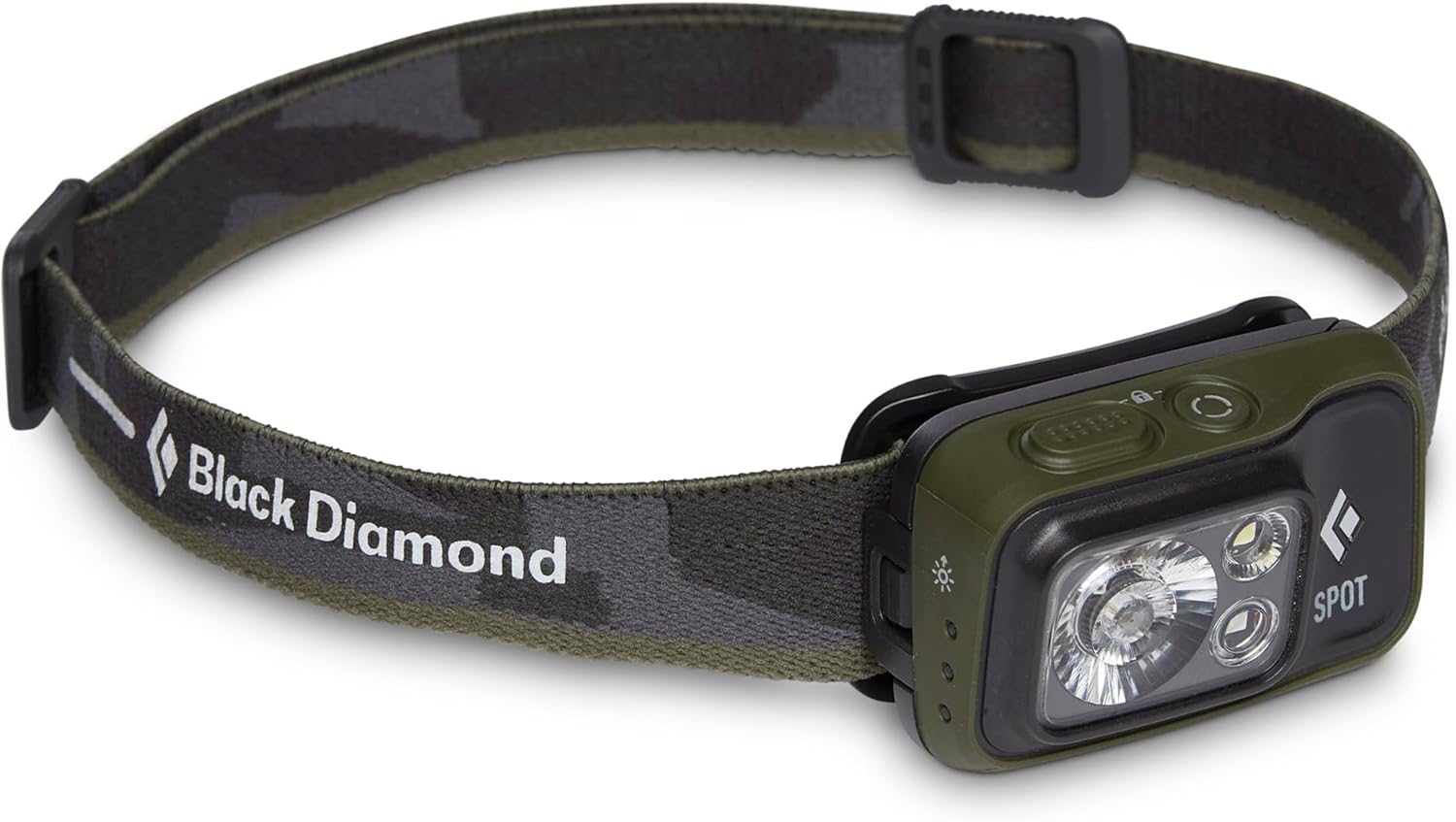
- Headlamp per person, plus a spare. Most weather decisions get made in the dark.
- The ranger station phone number saved offline. Park status and road closures.
Common mistakes when the weather turns
- Waiting too long to call it. “We will see how it goes” is how a 2pm bail becomes an 11pm scramble in the dark. Leave preventively, in daylight.
- Treating the tent as shelter. Tents are not lightning shelters and not severe-weather shelters. The car or a hard-roof building is.
- Trying to drive flooded water. Six inches of moving water can move a car. Wait. The road will reopen.
- Pitching under dead or leaning trees. “Widowmakers” - dead trunks, hung-up branches, half-fallen limbs - come down in the wind that arrives with a storm. Before you stake the tent, look straight up and at the trees uphill of you. If anything is dead, leaning, or rotten, move the tent. A site that is fine in calm weather can be lethal at 50 mph gusts.
- Skipping the rain layers because the forecast was clear. A clear-weekend forecast can revise overnight. Pack rain gear every trip.
Simple gear setup for weather-uncertain trips
A bad-weather-ready kit. The differences from a normal kit are in the rain layers, the synthetic-fill bag, and the tarp. Everything else stays the same.
- Tent. Coleman Sundome 4-Person (~$68). Full-coverage rainfly, sealed seams. Pitch with every guy-out staked.
- Sleeping bag. Coleman Brazos Sleeping Bag (~$54). Cool-weather rated (40°F+), synthetic fill that washes easily after a wet trip. Add a liner or upgrade to a 20°F bag for colder nights.
- Sleeping pad. Big Agnes Divide UnInsulated Pad (~$100). Self-inflating, packs small. Pair with a closed-cell foam pad if the ground is cold or wet.
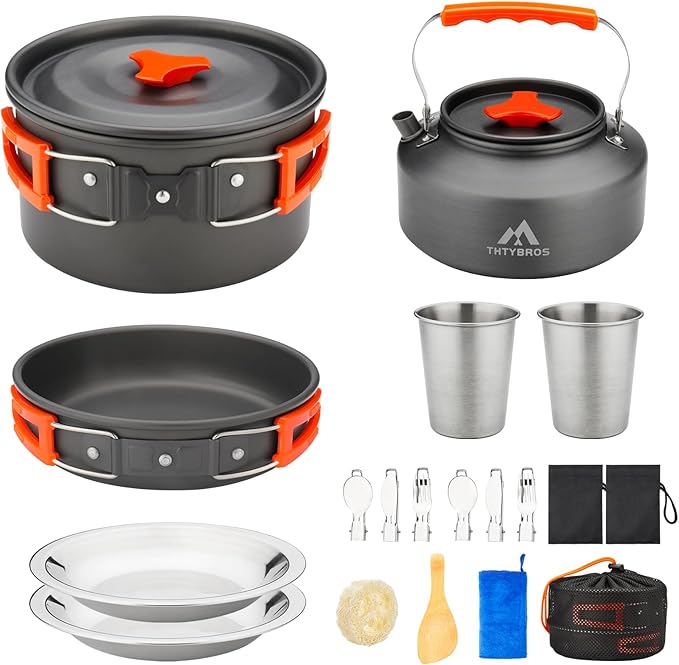
- Stove. Coleman 1-Burner Propane Stove (~$40). Lights in wind, runs in light rain.
- Cooler. Coleman Classic Rolling Cooler 100QT (~$107). Wheels matter when you are wet-packing.
- Lighting. LuminAID Titan 2-in-1 Solar Lantern (~$75). One on the picnic table, one inside the tent. Most decisions get made after dark.
- Headlamp. Black Diamond Spot 400 Headlamp (~$60). Waterproof rated for real weather.
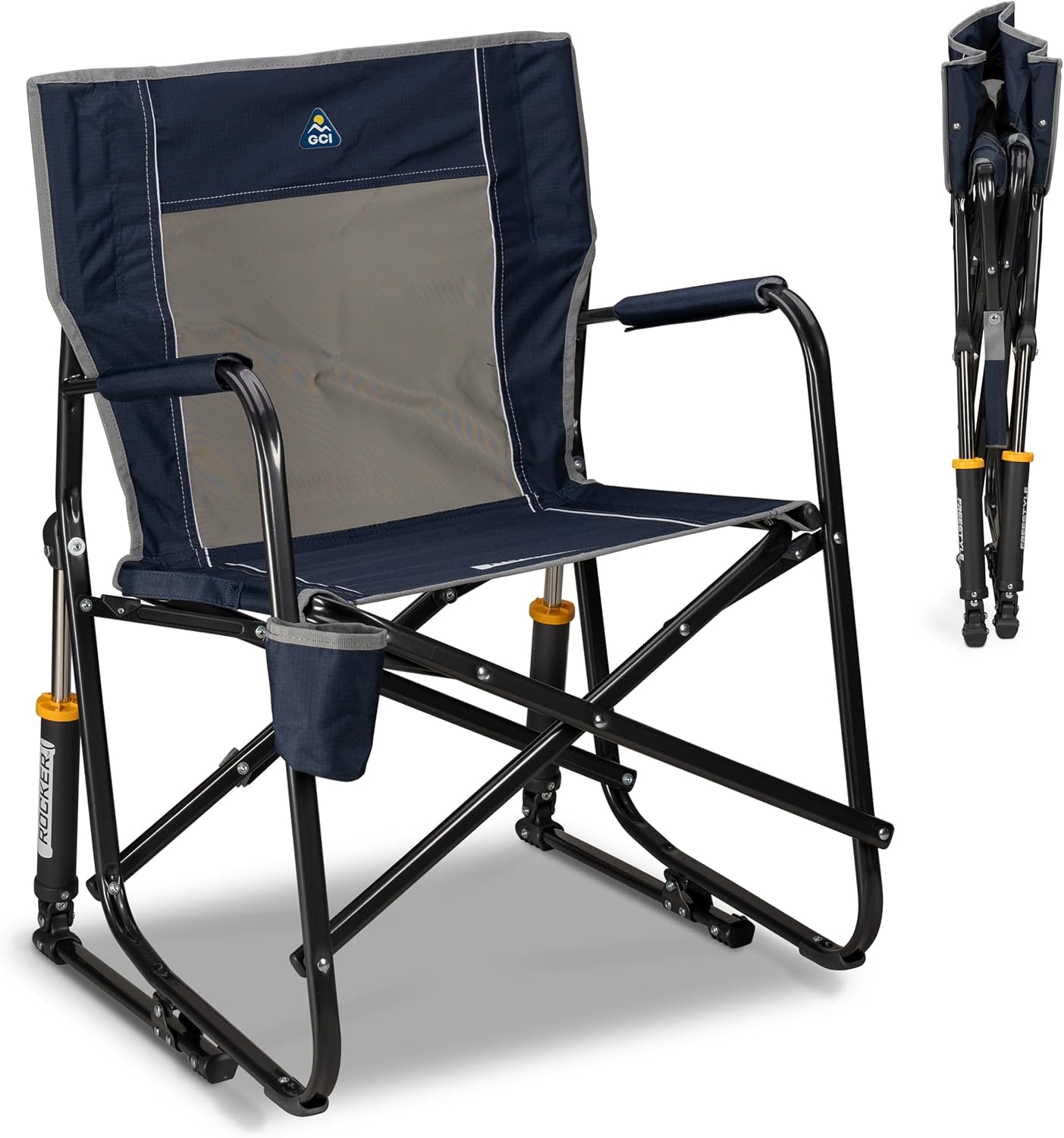
- Camp chair. GCI Outdoor Freestyle Rocker (~$80). The chair you actually want under a covered tarp.
- Rain layers, tarp, weather radio. Real waterproof rain jacket + rain pants per person, 10x10 tarp + 50 ft paracord + 4 extra stakes, NOAA weather radio or weather app with alerts on. Brand-agnostic essentials.
Where this fits in the larger plan
A weather-shifted trip is a trip-three problem, not a trip-one problem. If your first or second trip was clear, you have not yet had to make these calls under pressure. Build the bad-weather muscle on a First Weekend Camp in the shoulder season - short enough to bail cleanly, long enough that the forecast might shift. The Easy Family Basecamp is the right call for a forecast you trust; do not pick it for a forecast that is uncertain.
See also: Rainy Camping Trips for the more contained version of the same problem, Camping in High Wind With Kids for the site, pitch, and staking decisions that keep a tent standing below that 30 mph line, and Spring Camping for Beginners for the season most weather-shift drama happens in. If you're still picking dates, take the 5-second quiz and we'll match a starter plan to a calmer forecast window.
Frequently asked
Where do I shelter during a thunderstorm?
A hard-roof building first, your car second. Tents are not lightning-safe.
How close is too close for lightning?
The 30-30 rule: thunder under 30 seconds after a flash means under 6 miles - be in shelter. Stay 30 minutes after the last thunder.
When should I bail versus stay?
Bail when you have lost critical gear, when severe weather is forecast in the next 6 hours, or when anyone shows hypothermia signs. Stay for uncomfortable-but-manageable weather.
What if the road is closed and I cannot leave?
Move to higher, safer ground, stage gear in the car, tell a ranger, and wait it out. Most closures clear in 12-24 hours. Never drive flooded water.
What is the most important bad-weather gear?
Real waterproof rain layers - jacket and pants - for every person in the party. Hypothermia is possible at 50°F when you are wet.
How do I know when to pack up?
At the first hard signal: forecast revision, flash flood watch, gusts that lift the tarp, close lightning. Earlier is always cleaner.