Spring
Spring Camping for Beginners
What to expect, what to bring, and how to avoid common mistakes.
By William Blacklock · Last updated April 2026


The quick answer
- Best conditions: empty campgrounds, easy weekend bookings, fewer bugs in early spring, and dramatic green-up scenery once trees leaf out. The cheapest, quietest season to learn on.
- Main risks: mud, fast-changing weather, big day-to-night temperature swings, river crossings swollen with snowmelt, and ticks emerging with the first warm week.
- Beginner focus: pick a low-elevation site with a gravel pad, pack as if it'll rain even when the forecast is clear, bring a 20°F sleeping bag, and check the access-road status before you drive in.
What makes spring different
Weather
- Wide swing days. 70°F at 3pm and 32°F at 5am is a normal spring weekend in April. The afternoon forecast is not the night forecast.
- Reliable rain. Most of the country sees its wettest weeks in April and May. A waterproof rainfly and a pitched-tight tent matter more than they will all year.
- Late snow. Mountain campgrounds above 5,000 ft can hold snow into June. A campground listed as “open” on the website can still have a snowed-in access road.
- Mud season. Snowmelt, spring rain, and saturated ground turn dirt roads and tent pads into clay traps for several weeks. Many forest service roads stay closed during mud season specifically to keep them from being torn up.
- High water. Creeks and rivers run fast with snowmelt through May. What looks like an ankle-deep crossing can be knee-deep and pushy.
Gear adjustments vs. summer
- Warmer sleeping bag - 20°F rated, not 40°F.
- Sleeping pad with an R-value of 3 or higher; cold ground steals more heat than cold air.
- Footprint or thick ground tarp - saves the tent floor on muddy or wet sites.
- Real rain layers (jacket plus pants), not a poncho.
- Camp shoes and dedicated rain boots - wet feet at sundown is how trips end early.
- Permethrin-treated clothing for ticks; bug spray won't cut it on its own once they wake up.
Common beginner mistakes specific to spring
- Booking by the calendar instead of the elevation - picking a 6,000 ft campground in April and arriving at a snowed-in gate.
- Treating the daytime forecast as the trip forecast.
- Underestimating mud - walking in with a low-clearance car, parking on grass that's actually soaked turf.
- Bringing only a summer sleeping bag because the day looks warm.
What to pack
Shelter
- 3-season tent with a full-coverage rainfly, staked tight on every guy-out point.
- Footprint or heavy-duty ground tarp - a wet tent floor in spring is a misery multiplier.
- Extra stakes that bite into soft, wet ground (Y-stakes or 9-inch nail stakes; not the wire stakes that come in the bag).
- 20°F sleeping bag per person.
- Sleeping pad with R-value 3 or higher. Two thin pads stacked beat one thick pad on cold ground.
- A small dedicated tent rug or square of indoor-outdoor carpet - gives you a clean spot to take wet boots off.
Clothing - layers, not bulk
- Base layer: synthetic or merino wool top and bottom for the night.
- Mid layer: fleece or light puffy.
- Shell: real waterproof rain jacket and rain pants. Not a poncho.
- Wool or synthetic socks - pack twice as many as you think you need.
- Waterproof boots plus dry camp shoes for inside the tent.
- Warm hat and gloves for dawn cooking. Spring mornings bite.
- Long sleeves and long pants treated with permethrin for tick country.
Cooking
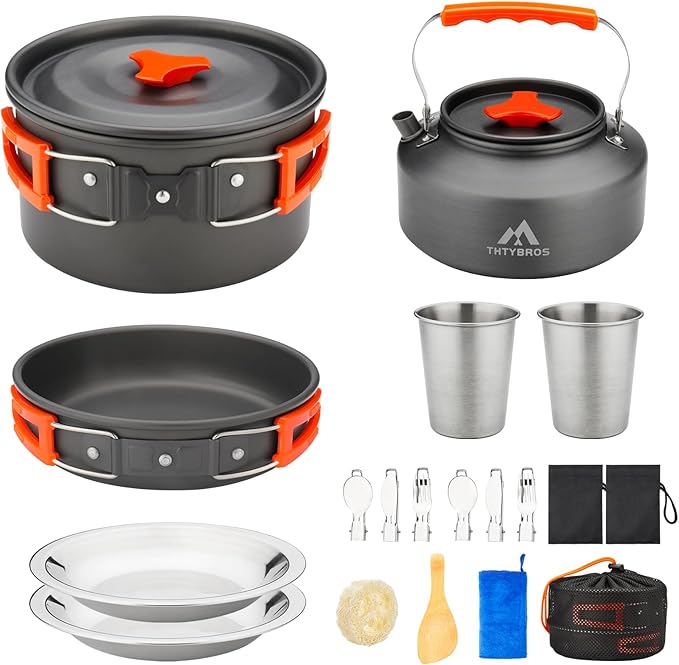
- Propane stove. Wet wood and spring fire-starting are both unreliable; the stove is the actual cooking plan.
- 2 spare propane canisters.
- Dry kindling and a real fire-starter (wax cubes, fatwood, or commercial fire-starter blocks) - saved into a sealed dry bag at home.
- Smaller cooler than you'd use in summer - the air is doing half the work.
- 1 gallon of drinking water per person per day; assume the campground spigot may not be turned on yet.
- Pre-prepped freezer meals or one-pot dinners - easier to cook in cold drizzle than three-component meals.
Safety and comfort
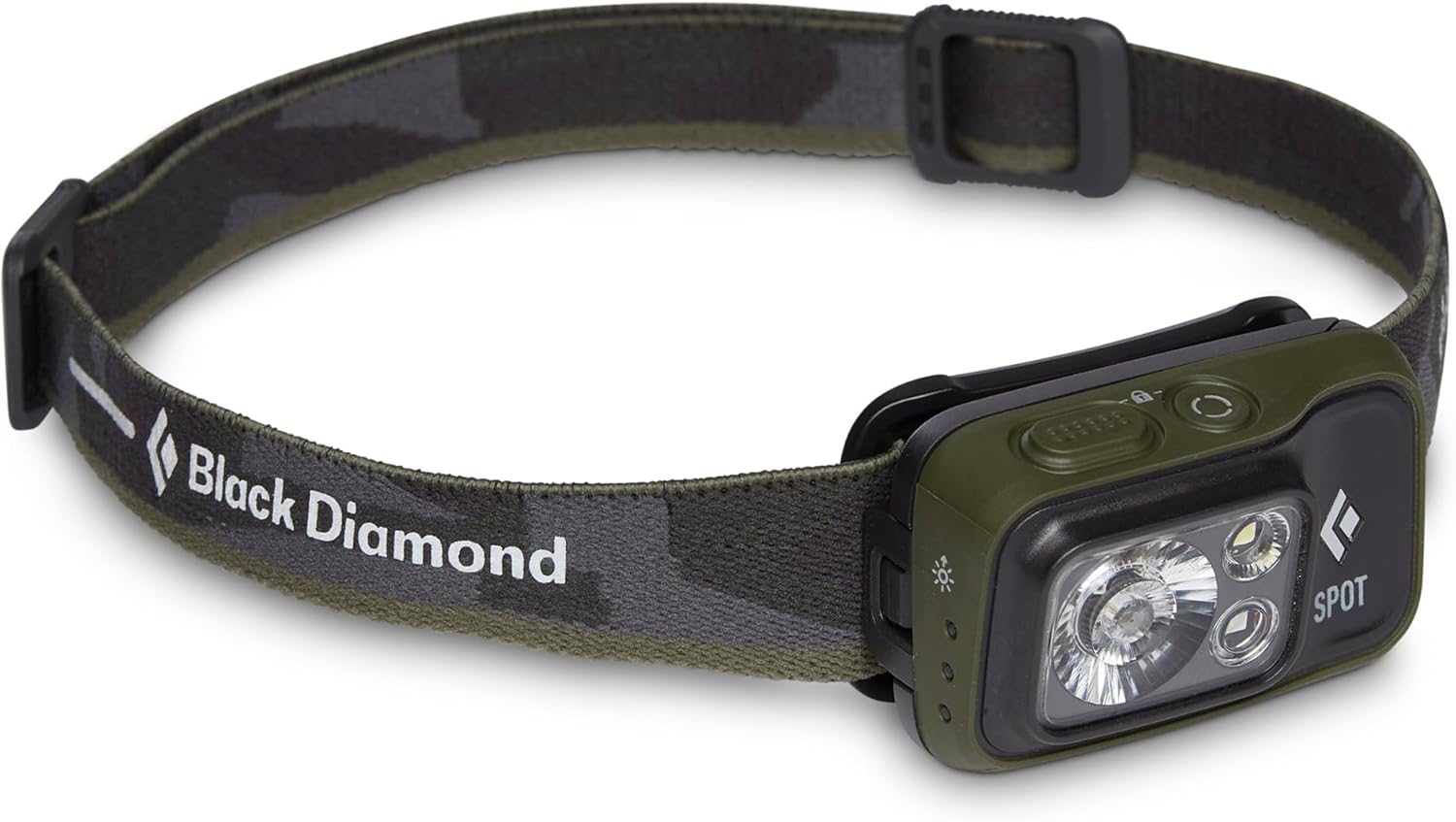
- Headlamp per person, with fresh batteries. Sunset is earlier than people remember in March and early April.
- Permethrin-treated clothing AND a DEET or picaridin spray for skin.
- Tweezers for tick removal in the first-aid kit.
- First aid kit with extra blister bandages - wet feet rub.
- Pack towel - you will dry something off, every day.
- Trash bags (large, contractor-grade) for muddy gear, wet tents at break-down, and laundry on the drive home.
- Hand warmers - a $10 box covers cold mornings without lighting the stove for warmth.
The mistakes that wreck most first spring trips
These are the practical errors that turn a quiet, easy-booking weekend into a miserable one. Each one is fixable with one decision before you leave.
- Picking the wrong elevation. A campground at 4,500 ft in late April can be wide open and pleasant; the same park's upper loop at 7,000 ft can still be closed for snow. Check the elevation, not just the park.
- Trusting the 3-day forecast. The recurring spring story is two beautiful days followed by a snow morning on day 3. Spring forecasts revise hard inside 48 hours - pack the cold-night kit even when Friday looks generous, and pitch the rainfly every night even when the sky is clear at sunset. If a real front rolls in, see camping in the rain for the bail/stay call.
- The wire stakes that ship with the tent. They bend or pull straight out of saturated spring ground; the first 3am wake-up to a flapping fly will teach you that. Replace them at home with Y-stakes or 9-inch nail stakes before the trip, not at the campground in the rain.
- Driving in on a soft road. If the forest service or state park notes “mud season” or “road conditions seasonal,” assume a low-clearance car will bottom out or get stuck. Call the ranger station the day before - and be honest about what you're driving.
- Banking on a fire for dinner. The wood you'll find on the ground in spring is wet, the rain often arrives at the worst possible time, and even seasoned campers describe spending 20 minutes coaxing flames out of damp kindling before a downpour. The propane stove is the actual cooking plan; the fire is the bonus.
- Cotton anywhere. Cotton soaks up morning dew and stays cold all day. Synthetic or wool for everything that touches skin - including the t-shirt under the base layer.
- An untested sleep system. First-trippers consistently describe their worst nights of sleep on borrowed gear - a too-thin pad, a 40°F bag carried over from summer, a sleeping bag that “felt warm enough in the living room.” Run a backyard test for one cold night before the trip - the cheapest way to find what doesn't work.
- Leaving the cooler out overnight. A cooler on the picnic table is an open invitation in spring - raccoons, possums, and the first bears coming out of dens all work the campground in the dark. Lock food in a bear box if there is one, or in the trunk before bed. Critters will end the trip a day early.
A starter setup that actually works
Don't overthink gear for trip one. This is a working starter kit - proven, mid-range, and simple. Spring rewards a good rainfly, a warm bag, and an honest sleeping pad more than any other piece of gear.
- Tent. Coleman Sundome 4-Person (~$68). 9×7 ft floor, full-coverage rainfly, weatherproof seams. The safe first-trip tent in any season.
- Sleeping bag. Coleman Brazos Sleeping Bag (~$54). Roomy fit, cool-weather rated. Comfortable in early summer; add a liner for cold spring nights.
- Sleeping pad. Big Agnes Divide UnInsulated Pad (~$100). Self-inflating, packs small. Add a closed-cell foam pad for cold-ground spring nights.
- Stove. Coleman 1-Burner Propane Stove (~$40). Boils water fast, runs in the rain, no learning curve when your hands are cold.
- Cooler. Coleman Classic Rolling Cooler 100QT (~$107). The wheels matter when the parking pad is wet and you don't want to slog gear in arms.
- Lighting. LuminAID Titan 2-in-1 Solar Lantern (~$75). Sunset is earlier than people remember; you'll cook dinner in the dark in March and April.
- Headlamp. Black Diamond Spot 400 Headlamp (~$60). One per person, no exceptions.
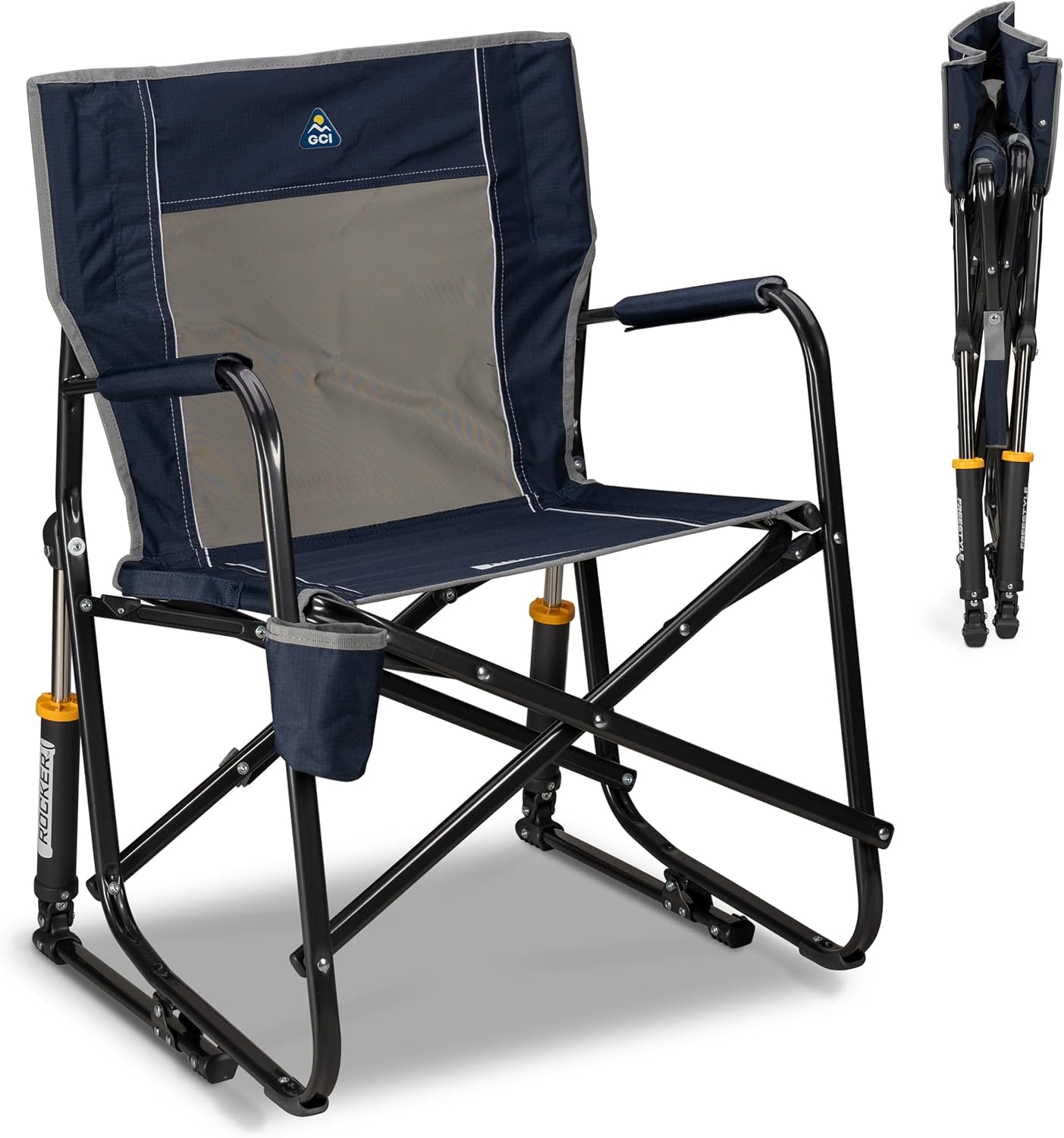
- Camp chair. GCI Outdoor Freestyle Rocker (~$80). Folds up, holds up. Worth its weight on a cold spring evening.
- Rain layers. A real waterproof rain jacket and rain pants per person. Brand-agnostic - buy what fits and what you'll actually wear.
Where this fits in the plan
Spring is short, weather-volatile, and best run with a tight scope. Match it to a First Night Camp at a low-elevation park within 90 minutes - or take the 5-second quiz and we'll match a plan to your dates and party size.
Frequently asked
Is spring a good season for first-time camping?
Yes, with one caveat: stay low-elevation and keep the trip short until you've seen how your gear handles a cold night and a steady rain. Empty campgrounds, easy bookings, and quiet sites make spring a forgiving teacher.
When does spring camping season actually start?
It depends on elevation, not the calendar. Most low-elevation campgrounds open in mid-March; mountain sites above 5,000 ft often stay closed through May or June. Check the campground page and the access-road status before you drive in.
How cold does it get at night in spring?
Plan for a 30 to 40 degree swing between the afternoon high and the dawn low. A 70°F day with a 32°F night is normal in April. Pack the 20°F bag.
What sleeping bag rating do I need for spring?
A 20°F bag covers almost every spring trip in the lower 48. A 40°F summer bag is not enough - combine it with a sleeping pad of R-value 3 or higher and you'll sleep warm even on the coldest nights.
Should I worry about ticks in spring?
Yes. Ticks become active as soon as overnight temperatures stay above freezing. Treat your clothes with permethrin a day before the trip, do tick checks at sundown and on waking, and pull any tick straight out with tweezers.
Can I have a campfire in spring?
Usually yes - fire bans are far less common in spring - but the wood you'll find on the ground is wet. Bring real fire-starter and dry kindling from home, and don't plan on the fire being your dinner cook source.
Will the campground water be turned on?
Often not until late April or May. Bring drinking water with you and don't assume the spigot at the site will run, even at “open” campgrounds.