With kids
Camping With Kids for the First Time
Camping with kids is a different activity than camping without them. Here's what actually changes - and what to plan for.
By William Blacklock · Last updated April 2026


The core rule
A camping trip with kids is not a camping trip plus kids. It's a kid activity set in the outdoors. Plan it like you would any other kid weekend: what will they do every hour they're awake? Nature doesn't auto-entertain kids.
Scale the trip to the youngest kid
- Under 4: one night max, drive-up site, near-by bathroom
- 4-7: one or two nights, short nature walks, structured activities
- 8-12: two nights fine, can help with chores, can hike farther
Sleep is the hardest part
- Kids sleep in familiar pajamas, in their own sleeping bag
- Bring the actual bedtime book they read at home
- Expect a rough first night. Plan nothing ambitious for day 1.
- Give them a glow stick so the tent doesn't feel pitch dark
Activities: plan 3 per day
- Morning: nature walk with a scavenger hunt list
- Afternoon: something quiet at the site - bark rubbings, rock painting, reading
- Evening: fire + s'mores + ghost stories
Food rules
- Bring one meal you know every kid will eat, even if it's boring
- Don't debut new food at camp
- Snacks are the most important gear category. Over-pack them.
Safety conversations to have in advance
- Show them the site number. They need to know how to get back.
- Give each kid a whistle and tell them: 3 blasts = come find me
- The "stop where you are" rule if they get lost - we come to them
- Never touch or eat anything without asking
The goal for the first trip is not to create a transcendent nature experience. It's for them to leave saying "when can we go camping again?" That's a very low bar - and a structured plan clears it easily. If you want one shaped to your kids' ages, take the 5-second quiz and we'll match a starter plan to your party.
The bedtime problem (and how to solve it)
Kids sleep worse at camp on the first night. This is normal, not a sign something's wrong. Everything is unfamiliar - the sounds, the light, the sleeping bag, the feeling of the ground. What helps:
- Keep the bedtime ritual the same. Same book. Same songs. Same order.
- Bring a small battery-powered fan. White noise masks unfamiliar night sounds and camp neighbors.
- A glow stick or dim LED tap light inside the tent takes the “total pitch black” fear off the table.
- Wear them out before dinner. A 4pm bike ride or playground visit means they're actually tired at 8:30.
- Go to bed earlier than you'd plan at home. Camp sunset is when the night winds down. Fighting this is losing.
Night one is rough. Night two is usually fine. Build your trip around that reality.
Gear that specifically helps with kids
- Kid-sized sleeping bag, not an adult bag. Adult bags are too long and kids lose body heat in the empty space.
- A small foam or inflatable pad under the sleeping bag. Cold ground pulls heat out of kids faster than adults.
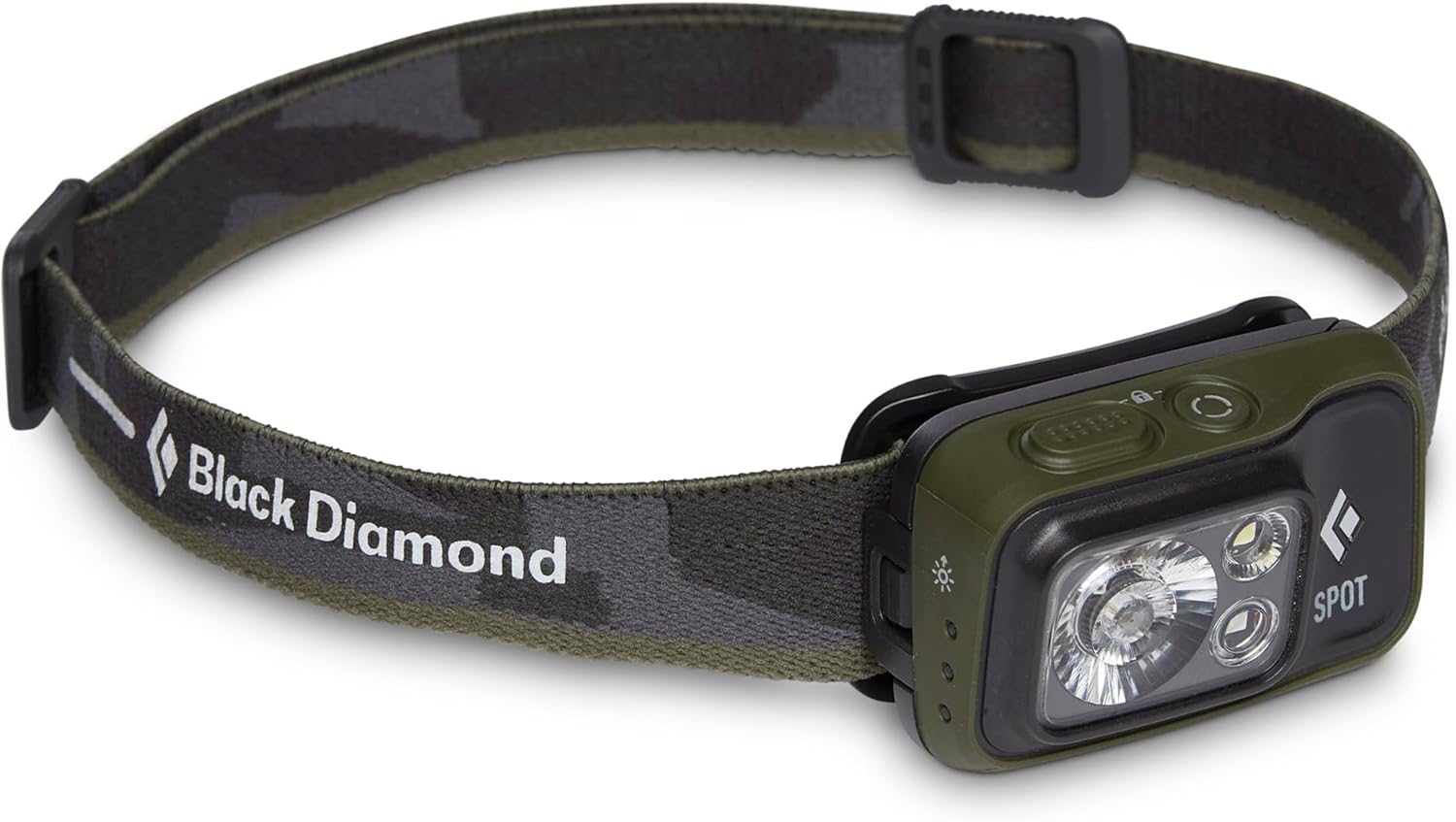
- A headlamp with a red-light mode. Red light doesn't wake siblings. Every kid needs their own.
- Kid-specific camp chair. They sit more and fight less when they each have a spot.
- Rain jackets packed at the top of the bag - kids will be the first ones soaked when the weather turns.
Common kids-camping mistakes
- Skipping the home tent rehearsal. Pitch the tent in the living room or yard a week before the trip - a full backyard test if you have time. Let kids climb in, zip themselves up, find the headlamp in the dark, and try a nap inside. The first time a 4-year-old sees the inside of a tent should not be at 8:30pm 90 minutes from home.
- Driving in over the nap window. A toddler who slept twenty minutes in the car instead of an hour at home arrives at the site wired and overtired, and the rough first night you were already braced for becomes a two-hour fight. Plan the drive around the kid's sleep schedule, not yours.
- Packing toys instead of role-tools. A bin of plastic toys gets ignored after thirty minutes. A magnifying glass, a small notebook, a kid's flashlight, and a real job - firewood gatherer, tent-stake counter - hold a 5-year-old's attention for an afternoon. Gear that turns the kid into a participant beats any toy.
- Banking on snacks alone to manage moods. Snacks are necessary, not sufficient. A kid who is hungry, cold, and bored will not be saved by a granola bar. Cue the next activity before the meltdown hits - the snack covers the gap, the activity prevents the next one.
- Letting cold creep up because nobody says anything. Kids do not reliably report that they are cold the way adults do. They get quiet, withdrawn, and stop participating well before they get to “I'm freezing.” Layer them up at sundown - beanie, fleece, dry socks - instead of waiting to be asked.
Handling meltdowns and bail-out thresholds
Every kid trip includes at least one rough hour. What distinguishes a fine trip from a disaster is knowing when to push through and when to call it.
- Tired + hungry meltdown: feed them, put them in the tent with a book, wait 45 minutes. This passes.
- Cold and can't-warm-up: this is real. Sit by the fire, hot chocolate, dry clothes. If they can't warm up in 30 minutes, go home.
- Sick kid: go home. No trip is worth a feverish kid in a tent.
- Everyone's scared at night: sleep in the car. No shame. The car is for this.
Screens at camp: a practical take
Every parent agonizes over this. The honest answer: bring the tablet, keep it in the car, use it strategically. Pretending screens don't exist sets you up for failure. Use them as a tool:
- Driving to and from camp: zero guilt. It's the car. Screens are car-normal.
- Rain forces everyone into the tent for two hours: a pre-downloaded movie saves the trip.
- Pre-dinner meltdown window while adults cook: 20 minutes of a show buys you peace. Fine.
- Around the fire after dinner: no screens. This is the trip. Games, stories, staring at the flames.
- First thing in the morning: no screens. The morning is nature time. Kids will find something.
A rule that's flexible but clear beats a rule that's strict but unenforceable. Download two shows and a movie before you leave - the signal at camp will not cooperate.
Making the trip memorable (not just survivable)
There's a difference between “we did it” and “when can we go again?” The trick is picking one or two details you deliberately make special, so the kids remember those instead of the rough parts:
- One “only at camp” treat. S'mores, Pop-Tarts cooked on a stick, hot chocolate at sunrise - something they don't get at home.
- One special ritual. Each kid picks a rock or leaf to bring home. Each night ends with a ghost story. A morning walk before breakfast just with Dad.
- One photo ritual. Same pose, same spot, every trip. A visual record they look forward to adding to.
- One job each kid owns. Firewood gatherer, head flashlight-holder, tent-stake counter. Ownership turns boring setup into “their” contribution.
Kids don't remember gear, weather, or logistics. They remember the weird little things. Plant those deliberately.
Where this fits in the plan
For a first kid trip, the right pacing is short and contained - start with a First Night Camp within an hour of home, then graduate to an Easy Family Basecamp once everyone has slept in a tent at least once. Pair this guide with the first camping trip checklist so packing is one less thing to figure out the morning of. If your youngest is a toddler, see camping with toddlers; if your trip lands in peak summer heat, see summer camping with kids.
Frequently asked
What age can kids start camping?
Any age, but 4 to 8 is the easiest on-ramp. Under 4 and the nap/diaper logistics dominate the trip.
How do you keep kids warm at night in a tent?
Base layer + fleece inside a kid-sized sleeping bag rated 10°F below the forecast low. Beanie and socks. Don't put small kids in adult bags.
What food should I bring camping with kids?
Only meals you know they'll eat. Over-pack snacks. Hot dogs, mac and cheese, cereal, PB&J all work.
Can a 2-year-old go camping?
Yes, but stay one night, flush toilets, under an hour from home. It's more work than relaxation at that age.
What do kids do all day at camp?
Plan three activities per day: morning walk, afternoon quiet activity at the site, evening fire with s'mores.