Wyoming
Camping in Wyoming for Beginners
A three-month season at 8,000 feet, the best national parks in the country, grizzlies, and wind that will teach you to stake a tent properly.
By William Blacklock · Last updated April 2026


What camping in Wyoming is actually like
- High and dry. Most of the state is 5,000 to 8,000 feet. Thin air, strong sun, low humidity, and cold nights are the baseline, not the exception.
- A very short season. High-country campgrounds often open mid to late June and start closing in early September. July and August are the dependable window.
- Mostly public land. A large share of Wyoming is federal, which means enormous national forest and BLM access once you are ready for it.
- Beginner focus: a state park or national forest campground at moderate elevation, in July or August. Save Yellowstone for trip two or three.
What's different about camping in Wyoming
Grizzly country changes the food rules
- The Yellowstone and Teton region holds both grizzlies and black bears, and food storage is enforced, not suggested.
- Everything scented goes in the provided bear box or a hard-sided vehicle: food, coolers, trash, dishes, toiletries, sunscreen, chapstick.
- Nothing in the tent. Not a snack, not a wrapper, not the toothpaste.
- Carry bear spray on your hip where you can reach it, not buried in a pack. Buy it locally, since you cannot fly with it.
- Some campsites in the region are restricted to hard-sided units when bear activity is high. Check current status before you commit to a tent site.
If this is your family's first trip into grizzly country, our guide to camping in bear country with kids covers the same food discipline in kid-sized terms, plus what to do if one walks through your loop.
Altitude is a planning factor
- Camping at 7,000 to 8,000 feet means headaches, poor first-night sleep, and getting winded on easy trails.
- Drink far more water than feels necessary. Dry air at altitude dehydrates you without obvious sweating.
- Take the first afternoon easy, and skip alcohol the first night.
- The sun is significantly stronger. Sunscreen, hat, and sunglasses are not optional, including on cool days.
Wind, and then more wind
- Wyoming is one of the windiest states in the country, and open sites offer nothing to break it.
- The stakes that came in the tent box are not adequate. Bring long steel stakes and guy out every point.
- Pitch behind natural cover where you can, and take the canopy down before bed rather than replacing it later.
- Wind plus 40°F feels far colder than the thermometer suggests. Bring a real windproof layer.
Distance and self-sufficiency
- Wyoming is the least populous state. Services are far apart and gas stations close early.
- Cell coverage is poor to nonexistent across much of the state and inside the parks. Download offline maps.
- Fill the tank whenever you pass a station, and carry more water than you think you need.

Best setup for your first trip in Wyoming
Three beginner trip types that work here, mapped to plans on this site. Pick the smallest one you have not done yet, or take the 5-second quiz and we will match one to your dates and party size. National park booking is its own skill, so read the reservation strategy guide before your window opens.
- Backyard Test. Especially valuable before a Wyoming trip, because the failure modes here are cold and wind rather than rain. Find out what your bag actually handles before you are at 8,000 feet.
- First Night Camp. One night at a Wyoming state park at moderate elevation. Curt Gowdy, Glendo, Guernsey, or Keyhole. Warmer, cheaper, easier to book, and no grizzly protocol to learn on night one.
- Easy Family Basecamp. Two or three nights at a Bridger-Teton or Shoshone national forest campground near Jackson or Cody, day-tripping into the parks. Far easier to book than in-park sites and often nicer.
Where beginners should look
Wyoming state parks
The honest first-trip answer. Curt Gowdy between Cheyenne and Laramie has reservoirs and good trails. Glendo and Guernsey sit on reservoirs with beaches and warm water. Keyhole is close to Devils Tower. Sinks Canyon outside Lander is a beautiful canyon at moderate elevation. All of them are lower, warmer, cheaper, and dramatically easier to book than the national parks. Park information is at wyoparks.wyo.gov, and camping is reserved through reserve.wyoming.gov. Note that camping at Wyoming state parks now requires a reservation, so the drive-up-and-hope approach no longer applies.
Yellowstone and Grand Teton
Yellowstone splits its campgrounds between two booking channels: several are run by the park concessioner, Yellowstone National Park Lodges, and the rest are on recreation.gov. Check nps.gov/yell for which campground uses which system, because guessing wastes the booking morning. Grand Teton campgrounds, including Gros Ventre, Colter Bay, Signal Mountain, and Jenny Lake, are on recreation.gov; details at nps.gov/grte. Both parks book out months ahead for summer, and both sit high enough that a July night can drop near freezing.
National forests and BLM land
The Bridger-Teton and Shoshone national forests wrap around the park boundaries and are the realistic plan when in-park sites are gone. Developed campgrounds are on recreation.gov, and dispersed camping is free across large areas. Wyoming also has enormous BLM holdings open to dispersed camping. All of it is genuinely good, and all of it is bear country with the same food rules, minus the bear box. If dispersed camping is new to you, our guide to dispersed camping on BLM and national forest land covers the ground rules.

What to bring (for Wyoming)
Start from a normal beginner packing list, then adjust:
Add
- A 20°F or warmer sleeping bag, even in July. High-country nights near freezing are normal.
- An insulated sleeping pad. At altitude, the ground pulls more heat than people expect.
- Long steel stakes and extra guyline. The stakes in the tent box will not hold in Wyoming wind.
- Bear spray, bought locally, carried on your hip. Plus the discipline to keep a clean camp.
- A windproof shell, a warm hat, and gloves. Wind at 40°F is the actual hazard.
- High-SPF sunscreen, sunglasses, and lip balm. Sun at 8,000 feet is punishing.
- Extra water and a full tank of gas. Services are far apart.
Skip or downsize
- Shade canopies, unless you can take them down fast. In sustained wind they become sails.
- Heavy humidity gear. Wyoming is dry, so things actually dry out overnight.
- Elaborate bug kits. Mosquitoes appear near water in early summer but are a minor problem compared to wind and cold.
Common first-time mistakes in Wyoming
- Making Yellowstone your first-ever camping trip. High elevation, freezing nights, strict bear protocol, months-ahead bookings, and no cell service is a lot to meet at once. Do a state park weekend first.
- Packing a summer sleeping bag. A 90°F afternoon at 7,800 feet still becomes a 32°F night. This is the single most common Wyoming mistake.
- Treating bear rules as advice. Food, trash, and toiletries go in the bear box or the car, every time, including during the day. A food-conditioned bear usually ends up dead.
- Using the stakes that came with the tent. Wyoming wind will flatten or launch an under-staked tent. Long steel stakes, every guyline out.
- Assuming you can grab a first-come state park site. Wyoming state parks now require camping reservations through reserve.wyoming.gov. Book before you drive.
Simple gear setup for Wyoming
A working starter kit calibrated for Wyoming: cold nights at altitude, hard wind, and dry air.
- Tent. Kelty Wireless 6 (~$280). A full-coverage rainfly and pre-attached guylines are worth it here. Guy out every point, every night.
- Sleeping bag. Marmot Mad River 0 (~$150). A 0°F bag is not overkill for high-country Wyoming, even in midsummer.
- Sleeping pad. MondoKing 3D Self-Inflating Pad (~$200). High R-value. This is where warmth is actually won or lost.
- Stove. Coleman Triton+ 2-Burner Propane Stove (~$85). Set it in the lee of the car. Wind is the enemy of every camp stove.
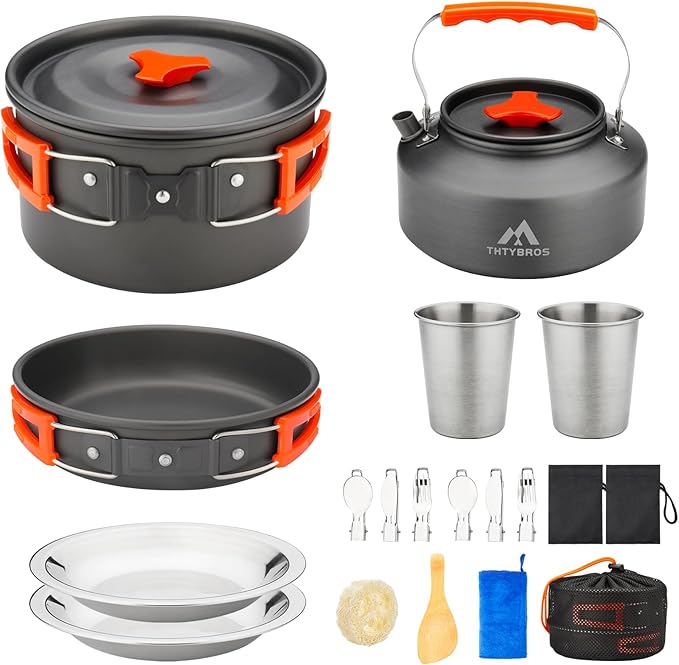
- Cookware. THTYBROS 17-Piece Camping Cookware Mess Kit (~$40). Everything gets washed and stowed in the bear box, not left on the table.
- Hand warmers. HotHands Hand Warmers, 40 Pairs (~$25). One in the bottom of a kid's sleeping bag turns a miserable night around.
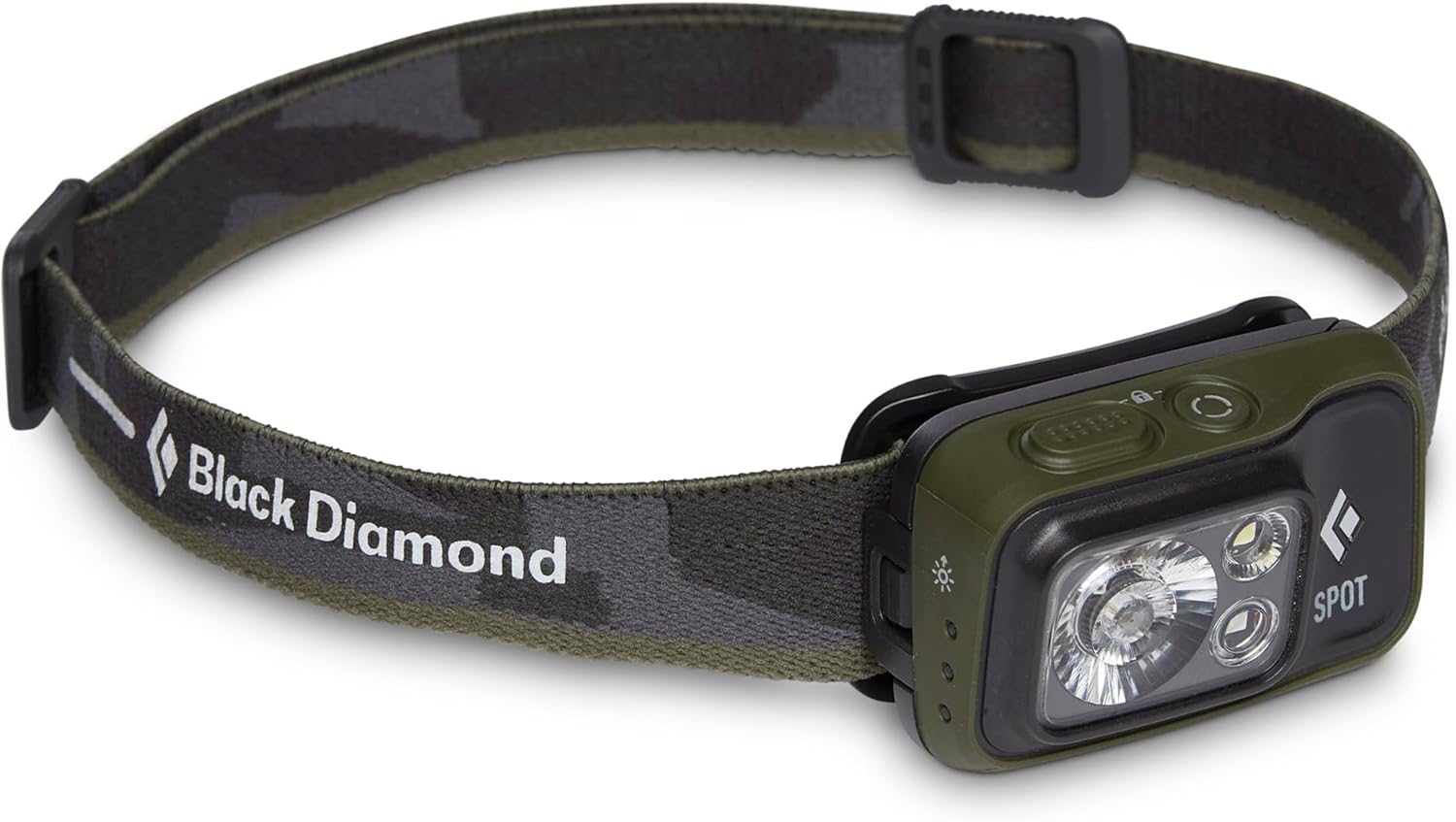
- Headlamp. Black Diamond Spot 400 Headlamp (~$60). One per person, non-negotiable in bear country.
- Bear spray. Buy it in Jackson, Cody, or West Yellowstone. You cannot fly with it, and it belongs on your hip rather than in the tent.
Frequently asked
When is the best time to camp in Wyoming?
Late June through mid-September at elevation, with July and August the reliable months. Snow is possible in June and September. Lower-elevation state parks in the east have a longer season.
How do I get a campsite in Yellowstone or Grand Teton?
Book months ahead. Yellowstone splits between the park concessioner and recreation.gov depending on the campground; Grand Teton is on recreation.gov. National forest campgrounds just outside the boundaries are the realistic backup.
Do I need bear spray?
In the Yellowstone and Teton region, yes, carried on your body. This is grizzly country. All food, trash, and toiletries go in the bear box or a hard-sided vehicle, never in the tent.
How bad is the altitude?
Noticeable at 7,000 to 8,000 feet: headaches, poor first-night sleep, getting winded easily. Drink more water than usual, take the first afternoon easy, and skip alcohol the first night.
Where should a Wyoming first-timer camp?
A Wyoming state park rather than a national park. Curt Gowdy, Glendo, Guernsey, Keyhole, or Sinks Canyon are lower, warmer, and far easier to book.
Do Wyoming state parks require reservations?
Yes. Camping now requires a reservation through reserve.wyoming.gov, plus a park pass. Check the site for current release times before planning around a booking morning.