Colorado
Camping in Colorado for Beginners
What to expect, what changes, and how to plan your first trip in Colorado.
By William Blacklock · Last updated April 2026


What camping in Colorado is actually like
- Short high-elevation season. Realistic camping at 9,000+ ft is mid-June through mid-September. Front Range and lower elevations stretch from May through October.
- Big day-night swings. A 75°F afternoon in the high country can drop into the 30s overnight even in July. Plan for both ends.
- Daily afternoon storms in summer. Build between 1pm and 4pm, drop hard rain and lightning. Pitch early, hike early, plan downtime for the storm window.
- Beginner focus: A Front Range or lower-elevation state park, mid-week or shoulder-season, with a sleeping system rated for at least 30°F. Save Rocky Mountain NP and the high San Juans for trip three.
What's different about camping in Colorado
Altitude is a real factor
- Below 6,000 ft: feels normal.
- 6,000-8,000 ft (most of the Front Range): mild effects - slightly slower hiking pace, more thirst.
- 8,000-10,000 ft (most mountain campgrounds): meaningful effect on sleep, appetite, and energy your first night. Kids and over-50 campers feel it more.
- 10,000+ ft (alpine sites, RMNP's Longs Peak, the high San Juans): not a beginner first elevation. Acclimate first.
- Drink more water than feels reasonable. Skip alcohol the first night. Worsening headache with nausea, vomiting, or confusion means drive down.
The weather changes fast
- Summer: warm dry mornings, afternoon thunderstorms, cool nights. Plan around 1-4pm storms - pitch by lunch, hike by noon turnaround, hang out in camp during storms.
- Lightning is the real risk above treeline. Be back in the trees by 1pm in summer.
- Snow can fall any month above 9,000 ft - a freak August storm at Bear Lake is a real thing.
- Wind on the Front Range and east slope can turn a calm setup into a lost rainfly in minutes. Stake aggressively.
RMNP and the popular state parks book early
- Rocky Mountain National Park campgrounds (Moraine Park, Glacier Basin, Aspenglen, Timber Creek) reserve through recreation.gov 6 months out. Summer weekends fill in hours; Moraine Park and Glacier Basin sell out fastest because they're closest to Bear Lake Road.
- Colorado state parks reserve through CPW, also competitive on summer weekends - Cherry Creek and Chatfield are the Front Range commuter parks; State Forest, Eleven Mile, and Steamboat Lake the mountain alternatives.
- National forest dispersed and developed campgrounds are the easier reservation - Arapaho, Pike-San Isabel, San Juan, White River. Many are first-come, first-served on weekdays.
Wildlife awareness
- Black bears in foothills and mountains - habituated to campgrounds. Use the bear box, lock food in a hard-sided vehicle, never leave coolers out overnight.
- Moose in the high country are aggressive when surprised or with calves. Give them 50+ ft and a clear retreat path. Moose have injured more campers in Colorado than bears have.
- Mountain lions exist, rarely interact. Don't hike alone at dawn/dusk in lion country.
- Marmots and ground squirrels will chew through pack straps and tent corners for salt - pack food away during the day, not just at night.

Best setup for your first trip in Colorado
These are the three beginner trip types that work in Colorado, mapped to plans on this site. Take the 5-second quiz if you want one matched to your dates and elevation. If a thunderstorm closes in mid-trip, see camping when the weather turns for the lightning rules.
- Backyard Test. If you live on the Front Range and your backyard is at 5,200-6,000 ft, you're already practicing for the climate. Run it on a forecast night under 50°F to test your sleeping system.
- First Night Camp. One night, one car, a Front Range or lower-elevation state park within 90 minutes. Cherry Creek, Chatfield, Cheyenne Mountain, and Lake Pueblo all sit below 7,000 ft and skip the altitude curve.
- Easy Family Basecamp. Two nights at a state park or national forest campground with bear boxes and real bathrooms. Steamboat Lake, State Forest, Eleven Mile, or a developed Arapaho/Roosevelt NF site. Mid-week makes everything easier.
Where beginners should look
Colorado state parks
Colorado Parks and Wildlife runs over 40 state parks. Reserve at cpw.state.co.us. Front Range and reservoir parks (Cherry Creek, Chatfield, Lake Pueblo, Eleven Mile) are the most beginner-friendly. Mountain state parks (State Forest, Steamboat Lake, Stagecoach) deliver higher scenery for the cost of higher elevation.
National parks and federal lands
Rocky Mountain National Park, Mesa Verde, Great Sand Dunes, and Black Canyon of the Gunnison reserve through recreation.gov. RMNP is the headliner - and the hardest reservation in the state. Moraine Park and Aspenglen on the east side fill within minutes of opening; Timber Creek on the west side (Grand Lake entrance) is slightly easier and the better choice if you're coming from I-70 anyway. Great Sand Dunes' Piñon Flats is one of the most underrated beginner trips in the state - flat sites, the highest dunes in North America at the back door, and a fraction of RMNP's reservation pressure.
National forest campgrounds
Arapaho-Roosevelt, Pike-San Isabel, San Juan, White River, and Routt national forests have hundreds of developed campgrounds, many less competitive than the state and national parks. A good route in is to pick a forest that touches the area you want to visit and look at first-come, first-served sites for mid-week.
Dispersed camping
Free dispersed camping is allowed on most national forest land, with restrictions in some heavily-used corridors (parts of White River near Aspen, the South Platte, the Conundrum hot springs area). Beginners should start with developed campgrounds first; dispersed opens up after a few weekends.
What to bring (for Colorado)
Colorado's defining variables are altitude, day-night temperature swing, and afternoon storms. Adjust the basics:
Add
- 20°F sleeping bag if camping above 9,000 ft. 30°F is fine on the Front Range.
- Insulated sleeping pad - R-value 4 minimum at altitude.
- Warm hat, fleece, puffy jacket. Even in July at 9,000 ft, you'll wear them at 6am and 10pm.
- Rain jacket and rainfly tested before the trip - the afternoon storms will absolutely find any gap.
- Sunscreen and lip balm - UV at altitude is intense, even on cool days.
- Extra water capacity - dry mountain air dehydrates you faster than you feel.
- Bear-resistant cooler or plan to lock in vehicle overnight.
Skip or downsize
- Heavy mosquito gear - Colorado's dry climate keeps the bug load low at most campgrounds (alpine lake sites are the exception).
- Heavy rain shelter - afternoon storms are intense but short. A canopy or tarp is more useful than a fully enclosed shelter.
Common first-time mistakes in Colorado
- Booking your first Colorado trip at 10,000+ ft. Sleep is bad, headaches are real, and recovery takes 2-3 nights. Start at 6,000-8,000 ft and acclimate up.
- Hiking through the afternoon storm window. Get above treeline before 9am, turn around by noon. Lightning above treeline kills people in Colorado most summers.
- Using a 50°F sleeping bag in July. A 75°F afternoon at altitude becomes a 35°F night. The bag rating that worked in Texas does not work in Colorado.
- Pitching the cheap stakes that came in the box. Mountain campsites in Colorado get the kind of wind that snaps fiberglass poles and drags an unweighted tent across the loop. Bring 8-10 inch steel stakes, guy out the rainfly, and pick a site with some tree shelter - the open meadow site you reserved on the map is the one that fails first.
- Trying to book RMNP three weeks ahead. Six months ahead, the morning the window opens, online at 8am Mountain. Otherwise, look at Roosevelt National Forest dispersed sites or the Indian Peaks Wilderness - both give you the front range without the reservation lottery.
Simple gear setup for Colorado
A working starter kit calibrated for Colorado - built around a 3-season tent that handles a real storm, a sleeping system warm enough for high-elevation nights, and bear-aware food storage.
- Tent. Coleman Sundome 4-Person (~$68). Stake aggressively and seam-seal the rainfly before the trip - Colorado wind and afternoon downpours expose any weakness.
- Sleeping bag. Coleman Brazos Sleeping Bag (~$54). Works on the Front Range in summer. For mountain altitudes, upgrade to a 20-30°F bag.
- Sleeping pad. Big Agnes Divide UnInsulated Pad (~$100). Self-inflating, packs small. Pair with a closed-cell foam pad at altitude - the under-rated piece of warmth.
- Stove. Coleman 1-Burner Propane Stove (~$40). Reliable, works under fire restrictions which are common in Colorado summers.
- Cooler. Coleman Classic Rolling Cooler 100QT (~$107). Lock it in the car or the bear box overnight in any mountain campground.
- Lighting. LuminAID Titan 2-in-1 Solar Lantern (~$75).
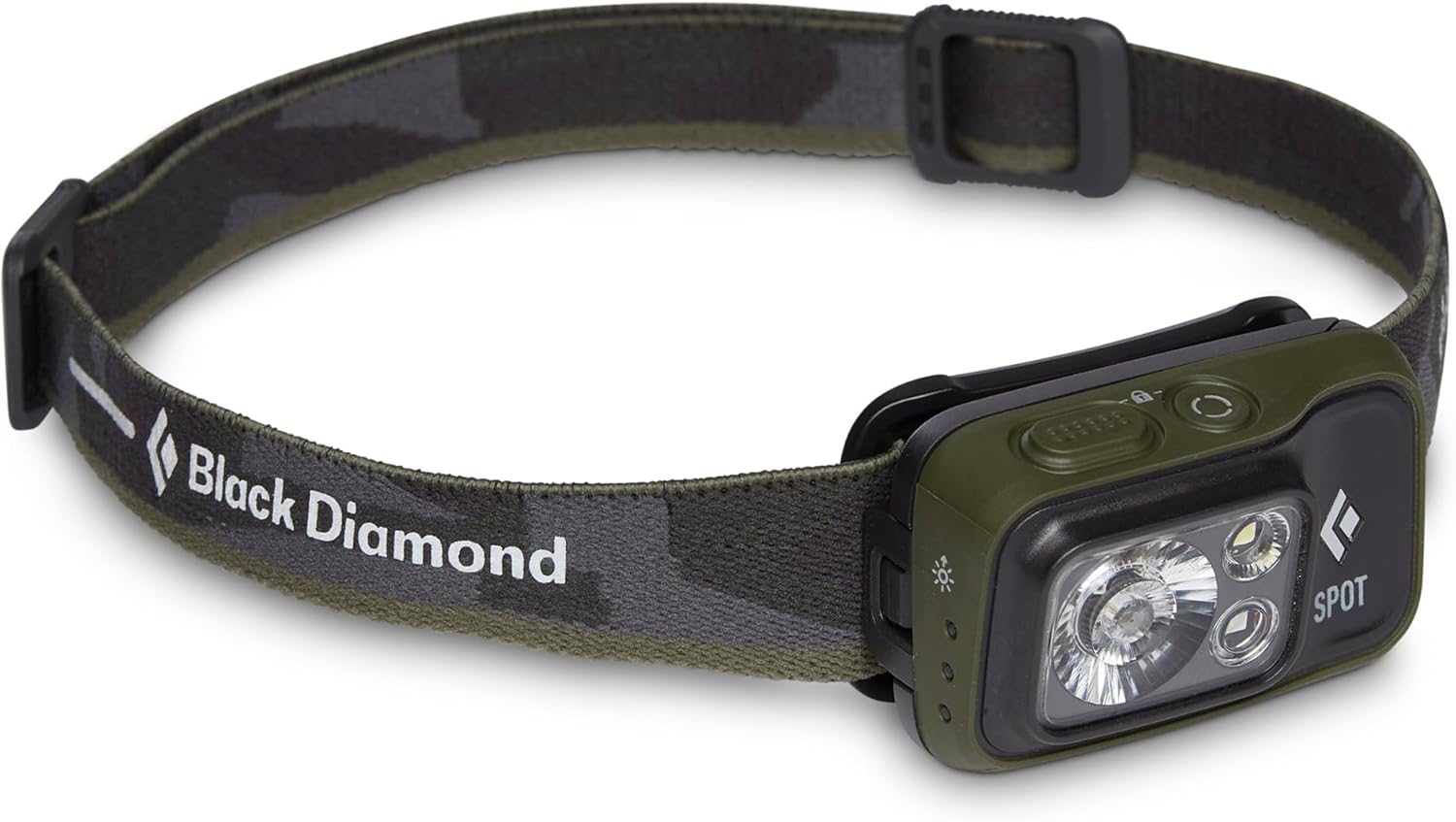
- Headlamp. Black Diamond Spot 400 Headlamp (~$60). Lithium batteries handle cold mountain nights better than alkaline.
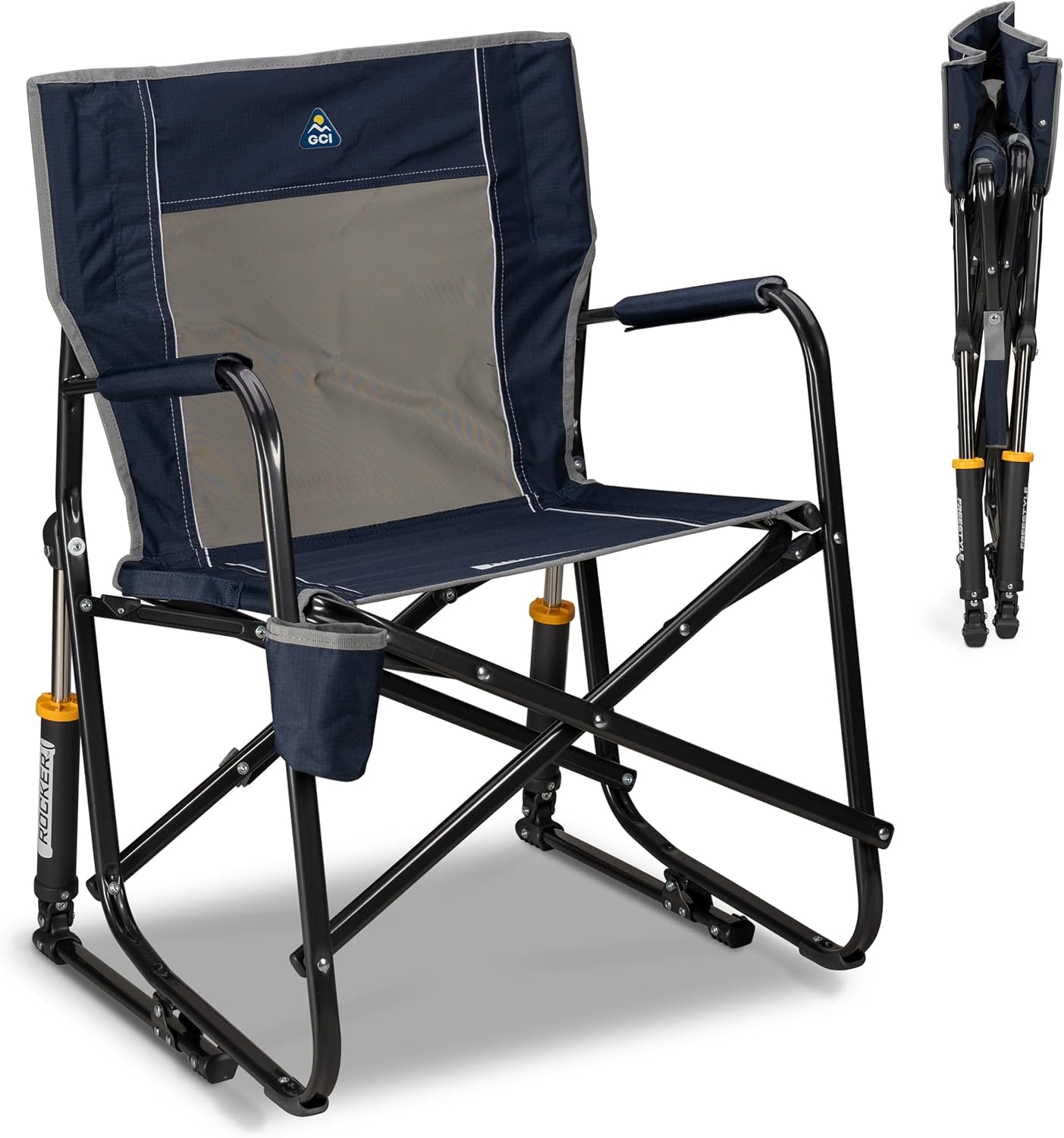
- Camp chair. GCI Outdoor Freestyle Rocker (~$80).
Frequently asked
When is the best time to camp in Colorado?
Mid-June through mid-September for high elevations. May through October on the Front Range and low country. Plan for cold nights even in July at altitude.
How does altitude affect a first camping trip?
At 8,000-10,000 ft expect mild headache, fatigue, and trouble sleeping the first night. Drink more water, skip alcohol day one, acclimate before going higher. Worsening headache with nausea or confusion means drive down.
When are the afternoon thunderstorms?
Build between 1pm and 4pm in summer, almost daily. Pitch the tent before lunch, hike with a noon turnaround, stay below treeline from 1-4pm.
How early do I need to book Rocky Mountain National Park?
Six months for popular weekends - the morning the recreation.gov window opens at 8am Mountain. Mid-week and late September are easier. State and national-forest alternatives are far less competitive.
Are there bears? Do I need a bear canister?
Yes - habituated black bears throughout the foothills and mountains. Use the campground bear box; lock everything with a scent in a hard-sided car overnight. Moose are also worth giving a wide berth.
Where should a Colorado first-timer actually go?
A Front Range or lower-elevation state park within 90 minutes - Cheyenne Mountain, Chatfield, Cherry Creek, Eleven Mile. Below 8,000 ft skips the altitude curve. Save RMNP and the high San Juans for trip three.