Utah
Camping in Utah for Beginners
Five national parks, no shade, no water, and a monsoon season that can flood a dry canyon under a clear sky.
By William Blacklock · Last updated April 2026


What camping in Utah is actually like
- Exposed. Very little shade, very little water, and sun that is far stronger than the temperature suggests. Sun management is the daily task.
- Elevation does the work. Moab sits around 4,000 feet and bakes; Bryce is near 8,000 feet and freezes at night in summer. Two parks a few hours apart need different packing lists.
- Everyone wants the same five parks. Zion, Bryce, Arches, Canyonlands, and Capitol Reef absorb enormous crowds, and their in-park campgrounds book far ahead.
- Beginner focus: a Utah state park or a national forest campground near the parks, in spring or fall, with all your water carried in.
What's different about camping in Utah
Water is something you bring, not something you find
- Plan a minimum of one gallon per person per day for drinking, plus more for cooking and washing.
- Many southern Utah campgrounds and essentially all BLM dispersed sites have no water at all.
- Fill every container in town before you head out. Carry a spare five-gallon jug as margin, not as the main supply.
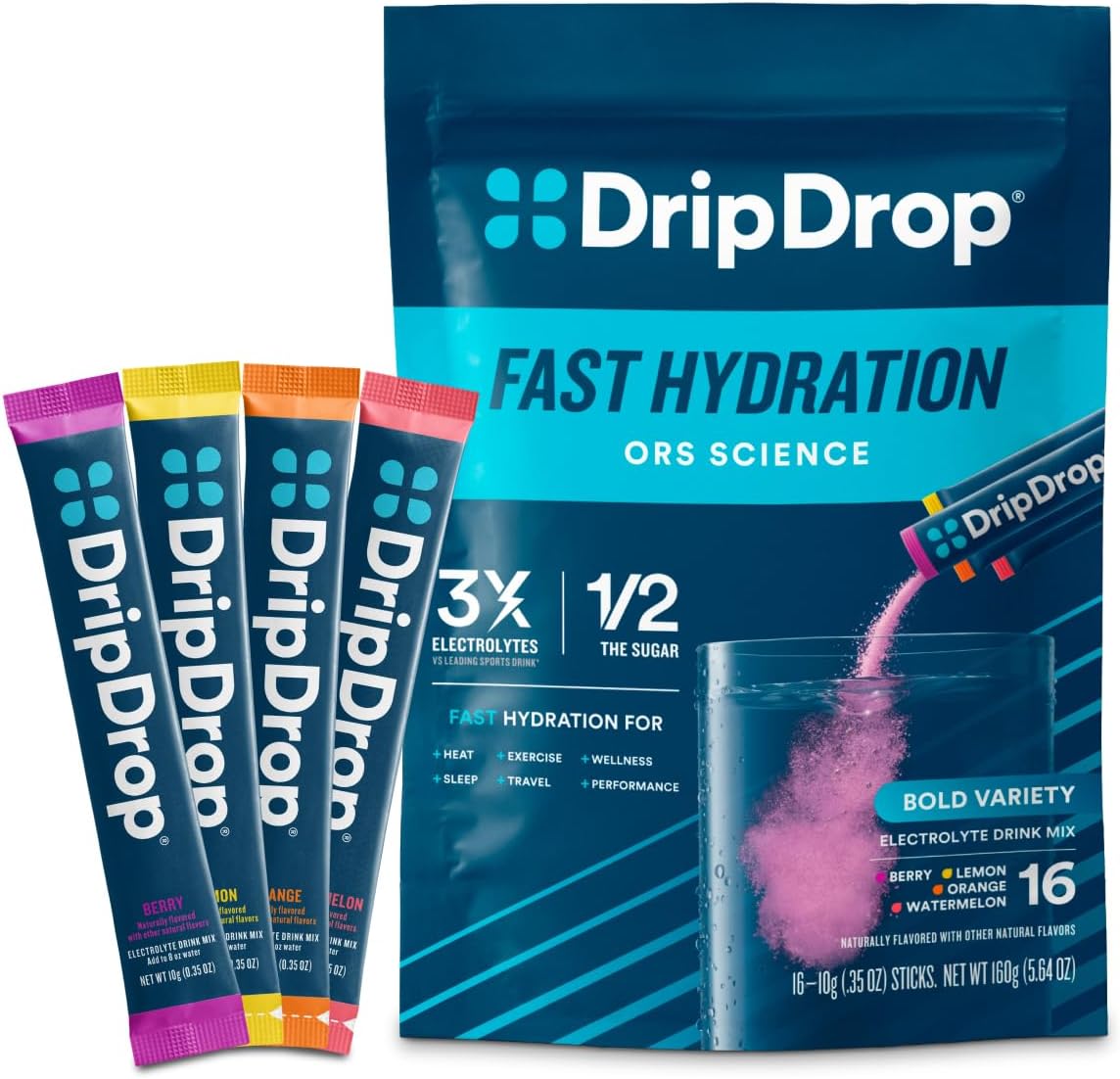
- Dry air means you dehydrate without feeling sweaty. Electrolyte packets matter as much as the water itself.
Flash floods, and why you never camp in a wash
- Monsoon season runs roughly mid-July through September. A storm 20 or 30 miles upstream can flood a dry canyon under blue sky where you are standing.
- Never pitch in a wash or a dry drainage. They are flat, sandy, and sheltered, which is exactly why they are tempting and exactly why people die in them.
- Check the National Weather Service flash flood potential rating at the visitor center each morning.
- If the rating is elevated, or you hear thunder, stay out of narrow canyons and slots entirely.
Heat is a hard constraint, not a discomfort
- Low-desert summer highs above 100°F make midday hiking genuinely hazardous, and rescues in Utah parks spike every summer.
- Hike early and late. Plan to be in shade or at camp from late morning through late afternoon.
- A shade structure is the most-used piece of gear at a Utah campsite, because the site itself will not provide any.
- Go up if you go in summer. Bryce, Cedar Breaks, and the Wasatch are cool when Moab is unbearable.
Cryptobiotic soil and staying on durable ground
- The dark crusty layer on desert soil is alive and holds the whole system together. One footprint can undo decades of growth.
- Step on trails, slickrock, or in sandy washes. Never on the crust.
- This is the Utah-specific Leave No Trace point that visitors most often miss, and it is worth teaching kids on day one.

Best setup for your first trip in Utah
Three beginner trip types that work here, mapped to plans on this site. Pick the smallest one you have not done yet, or take the 5-second quiz and we will match one to your dates and party size. If your dates fall in summer, read camping in a heatwave before you commit.
- Backyard Test. Useful before a desert trip specifically to check your shade and sleep setup. A tent in full sun behaves very differently than one under trees.
- First Night Camp. One night at a Utah state park with water and bathrooms. Dead Horse Point, Sand Hollow, Snow Canyon, or Goblin Valley. Spring or fall.
- Easy Family Basecamp. Two or three nights at one state park, day-tripping into a national park in the morning and returning to shade by noon. Far less driving than trying to see all five.
Where beginners should look
Utah state parks
The best-value first trip in Utah, and consistently overlooked. Dead Horse Point is minutes from Canyonlands with an overlook that rivals anything inside the park. Sand Hollow and Snow Canyon sit near Zion and St. George. Goblin Valley is a field of hoodoo mushrooms kids can wander through, and Kodachrome Basin is a quiet base near Bryce. These have bathrooms and water, cost less than the parks, and do not require winning a booking race. Details at stateparks.utah.gov, reservations through utahstateparks.reserveamerica.com.
The national parks
In-park campgrounds are on recreation.gov and book far ahead for spring and fall. Access rules differ by park and change often: Arches ended its timed entry requirement in February 2026, though Devils Garden Campground and Fiery Furnace permits still need advance booking. Zion runs a mandatory canyon shuttle most of the year and requires a lottery permit for Angels Landing. Bryce Canyon sits near 8,000 feet, which makes it the summer answer and a cold spring one. Check the individual park page in the week before you go rather than trusting last season's advice.
BLM and national forest land
Utah has vast BLM holdings, and dispersed camping is free across much of it, which is why the areas around Moab are so popular. Be aware that heavy use has brought real regulation: some corridors now require you to use designated sites, and some areas require packing out human waste in a disposal bag. Check the local BLM field office rules before you count on a spot. The Dixie, Fishlake, and Manti-La Sal national forests offer cooler, higher campgrounds that are excellent in July when the desert is unusable. Our guide to dispersed camping on BLM and national forest land covers the general rules.

What to bring (for Utah)
Start from a normal beginner packing list, then adjust:
Add
- All of your water, plus a spare five-gallon jug. Assume the site has none.
- Electrolyte packets. Dry-air dehydration sneaks up on people who never feel sweaty.
- A freestanding shade structure and long sand stakes, because Utah sites have neither shade nor holding ground.
- Long-sleeve sun shirts, wide-brim hats, and high-SPF sunscreen. Covering up beats reapplying.
- A warm sleeping bag if you are going high. Bryce and Cedar Breaks nights near freezing are normal in summer.
- Extra tent stakes and guyline for wind, which builds in the afternoon across the plateau.
- Sturdy closed shoes. Slickrock, cactus, and loose sandstone punish sandals.
Skip or downsize
- Heavy rain gear for the low desert outside monsoon season, though a light shell is still worth having.
- Bug kits. Utah is refreshingly bug-light compared to almost anywhere east.
- Firewood plans. Fire restrictions are common through summer and fall, so cook on a stove.
Common first-time mistakes in Utah
- Camping or parking in a wash. The flattest, sandiest, most sheltered spot is a drainage. In monsoon season that is the one place you must not be, even under a clear sky.
- Underestimating water. People bring a couple of gallons for a family weekend and run out on day one. A gallon per person per day is the floor, before cooking and washing.
- Booking Moab or Zion in July. Over 100°F with no shade is not a beginner trip. Move to spring or fall, or go up to Bryce and the high country.
- Trying to do all five parks in a weekend. The Mighty 5 are spread across hundreds of miles of southern Utah. Pick one base, day-trip from it, and actually see something.
- Walking on the crust. Cryptobiotic soil looks like dirt and is not. Stay on trail, slickrock, or in sandy washes when you step off.
Simple gear setup for Utah
A working starter kit calibrated for Utah: no shade, no water, big day-to-night temperature swings, and afternoon wind.
- Tent. Coleman Sundome 4-Person (~$68). Mesh inner for the warm nights, full fly on for wind. Stake it properly in sand.
- Shade. CROWN SHADES 10×10 Pop-Up Canopy (~$140). The single most valuable item on this list. Take it down before afternoon wind builds.
- Sleeping bag. Coleman Brazos Sleeping Bag (~$40). Desert nights drop hard after sunset, even when the afternoon hit 95°F.
- Sleeping pad. Big Agnes Divide UnInsulated Pad (~$100). Insulated, and it keeps sandstone grit out of the equation.
- Stove. Coleman Triton+ 2-Burner Propane Stove (~$85). Assume a fire ban. Most Utah trips are stove-only anyway.
- Cooler. Coleman Classic Rolling Cooler 100QT (~$107). Block ice, kept in shade, opened as little as possible.
- Hydration. DripDrop Hydration Packets (~$25). Desert dehydration is quiet until it is not.
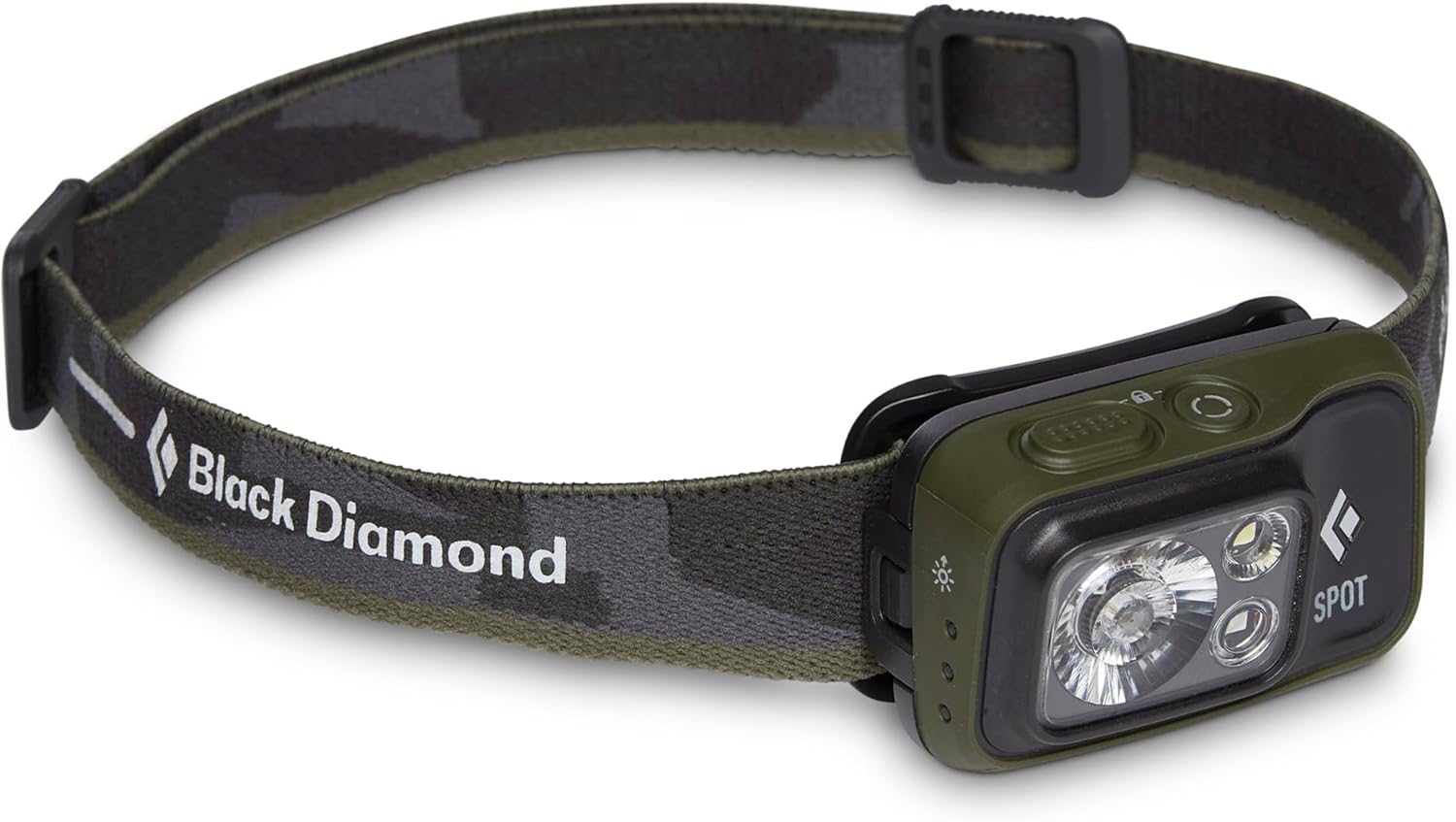
- Headlamp. Black Diamond Spot 400 Headlamp (~$60). One per person. Utah has some of the darkest night skies in the country.
Frequently asked
When is the best time to camp in Utah?
April through May and late September through October. Summer in the low desert exceeds 100°F. If you go in July, camp high at Bryce or Cedar Breaks where nights are cool.
Do I need a timed entry ticket for Arches or Zion?
Arches ended timed entry in February 2026, though its campground and Fiery Furnace permits still need reservations. Zion has no timed entry but runs a mandatory canyon shuttle and an Angels Landing permit lottery. Verify before you travel.
How dangerous are flash floods?
Serious. Monsoon season runs mid-July through September, and a storm far upstream can flood a dry canyon under clear sky. Never camp in a wash, and check the flash flood rating each morning.
Where should a Utah first-timer camp?
A Utah state park near the national parks. Dead Horse Point, Sand Hollow, Snow Canyon, Goblin Valley, and Kodachrome Basin all have water and bathrooms and are far easier to book.
How much water do I need?
At least a gallon per person per day for drinking, plus cooking and cleanup, and more in heat. Assume the site has none, and fill everything in town before you drive out.
What is cryptobiotic soil?
The dark living crust on desert soil that holds sand together and feeds everything growing there. One footprint can undo decades. Stay on trails, slickrock, or sandy washes.