Summer
Summer Camping for Beginners
What to expect, what to bring, and how to avoid common mistakes.
By William Blacklock · Last updated April 2026


The quick answer
- Best conditions: warm days, the longest daylight of the year, and the lowest chance of being rained or snowed out. Summer is the easiest season to learn on.
- Main risks: heat exhaustion, sun exposure, mosquitoes, afternoon thunderstorms, and fire bans. None are dangerous if you plan for them.
- Beginner focus: book early, pitch in shade, drink more water than feels reasonable, and bring one warm layer for the night even if the forecast says hot.
What makes summer different
Weather
- Hot days, cool nights. A 90°F afternoon can drop into the 50s overnight at altitude. Plan for both ends.
- Afternoon thunderstorms. In much of the country, storms build between 2pm and 6pm. Your tent and rainfly should be up before lunch.
- Long daylight. Sunset at 8:30pm or later means more time to set up and more daylight to bail out if something goes wrong.
- Crowded campgrounds. July and August weekends fill 4 to 6 months in advance at popular state and national parks.
Gear adjustments vs. spring or fall
- Lighter sleeping bag (40°F rating is plenty for most lowland trips, 20°F for high-elevation sites).
- Mesh-bodied tent for ventilation. A footprint helps when ground is dry and dusty.
- More cooler space and more ice - coolers work harder in summer heat.
- A separate shade structure (canopy or tarp) becomes the most-used piece of gear at camp.
- Twice as much water capacity as you think you need.
Common beginner mistakes specific to summer
- Pitching the tent in full sun - by 9am it's a sauna and nobody can nap there.
- Booking too late and ending up at a worse site than the trip deserves.
- Not checking the fire ban status until arrival.
- Treating the night-time temperature like the day-time temperature.
What to pack
Shelter
- 3-season tent with a full mesh inner (not a 4-season).
- Rainfly staked off the body for airflow on hot nights.
- Footprint or ground tarp.
- 10×10 ft canopy or a tarp + poles for daytime shade at the picnic table.
- Sleeping bag rated 40°F (lowland) or 20°F (mountains, above 6,000 ft).
- Sleeping pad - insulates you from cold ground at night and hot ground during the day.
Clothing - layers, not bulk
- Lightweight long-sleeve sun shirt (UPF 30+) - better than sunscreen on the arms.
- Wide-brim sun hat. Baseball caps don't cover the ears or back of the neck.
- Synthetic or wool t-shirts and shorts - never cotton on hot days; it holds sweat and chills you fast at sundown.
- One fleece or hoodie per person for cold mornings and evenings.
- Long pants for after-dark mosquito hours.
- Closed-toe shoes plus sandals.
Cooking
- Propane stove (works under almost every fire ban - fires alone do not).
- 2 spare propane canisters.
- Large cooler with block ice on the bottom, drinks on top. Block ice lasts 3-5 days; cubes melt in 24 hours.
- 1 gallon of drinking water per person per day, plus extra for cooking and cleanup.
- 2 no-cook meal options for the hottest day or a fire-banned afternoon (sandwiches, wraps, charcuterie).
- Insulated bottles or a small soft cooler for the picnic table - drinks warm up fast in the sun.
Safety and comfort
- SPF 30+ sunscreen, applied at breakfast and again after lunch.
- Mosquito repellent with DEET or picaridin. Treat clothing with permethrin if mosquitoes are heavy where you're going.
- After-bite cream or hydrocortisone.
- Electrolyte tabs or packets - water alone is not enough on hot days.
- First aid kit, with extra blister bandages.
- Phone charger pack (charged) and a paper map; cell coverage at most parks is unreliable.
- Weather app or NOAA radio. Watch for afternoon storm cells.
The mistakes that wreck most first summer trips
These are the ones that come up over and over for beginners - practical errors, not bad luck. Each one is fixable with one decision before you leave.
- Underestimating the temperature swing. A campground that hits 95°F at 4pm can drop into the 50s by 5am, especially above 5,000 ft. Pack the fleece even when the forecast says hot. If a multi-day heat dome is forecast, see camping in a heatwave for the bail/stay call before booking.
- Pitching in full sun. Walk the site before you set up. Aim for morning sun, afternoon shade. A tent in full sun is a sauna by 9am and unusable for an afternoon nap - and there's no fixing it once the stakes are in.
- Overpacking gear. More stuff means more time setting up, more time breaking down, and a hotter, more cluttered camp. The most upvoted car-camping advice from veterans is to pack to a list, not to “just in case.”
- Booking too late, then accepting the bad site. Popular state and national park weekends in July and August fill the day reservation windows open, six months out. Showing up two weeks before with no reservation lands you at the worst loop, next to the dumpster, with a four-hour drive there and back.
- Ignoring afternoon thunderstorms. Set the tent and rainfly up by noon. Don't leave food, chairs, or sleeping bags loose in the open after lunch. Summer storms drop an inch of rain in 30 minutes and lightning is the real hazard - get into the car, not the tent, if a cell rolls in.
- Skipping the fire-ban check - and walking away from a “small” fire. Many western parks ban open fires from June through September; bring a stove regardless. And if you do have a legal fire: drown it, stir it, drown it again. A still-warm coal in dry pine duff is how wildfires start, and rangers find them every season.
- Drinking only water. On hot days, water without sodium leaves you nauseated and headachy by evening. Sports drinks, electrolyte tabs, or salty snacks fix this - beginners who finally try electrolytes describe the difference as the trip not ending in a headache.
- Wearing cotton. Cotton soaks sweat, then chills you when the sun drops. Synthetic or wool for everything that touches skin.
Where this fits in the plan
Summer is the easiest season to learn on, but the hottest weekends still reward structure. Match the trip to an Easy Family Basecamp at a shaded, water-access site - or take the 5-second quiz and we'll match a starter plan to your dates and party size.
Camping with young kids specifically? Summer camping with kids covers the heat and sun layer that's specific to that age group - signs of overheating kids won't report themselves, sunscreen logistics, and water play as the daily centerpiece.
Camping over the Fourth of July? It is the busiest weekend of the summer, so book the day the reservation window opens. Personal fireworks are banned on national park, national forest, and BLM land and at most state parks, so plan a different kind of celebration at the site: a few printable Fourth of July party games, like patriotic trivia and a red, white and blue scavenger hunt, keep kids busy until the town fireworks start.
A starter setup that actually works
Don't overthink gear for trip one. This is a working starter kit - proven, mid-range, and simple. Upgrade later when you know what you actually want.
- Tent. Coleman Sundome 4-Person (~$68). 9×7 ft floor, full mesh inner, fits a queen air bed. Sets up in under 15 minutes the first time.
- Stove. Coleman 1-Burner Propane Stove (~$40). Reliable under fire bans, boils water fast, no learning curve.
- Cooler. Coleman Classic Rolling Cooler 100QT (~$107). The wheels matter when summer parking is a hike from the site.
- Shade. CROWN SHADES 10×10 Pop-Up Canopy (~$140). The gear that gets used the most on hot days. Two minutes to set up.
- Lighting. LuminAID Titan 2-in-1 Solar Lantern (~$75). One on the picnic table, one inside the tent.
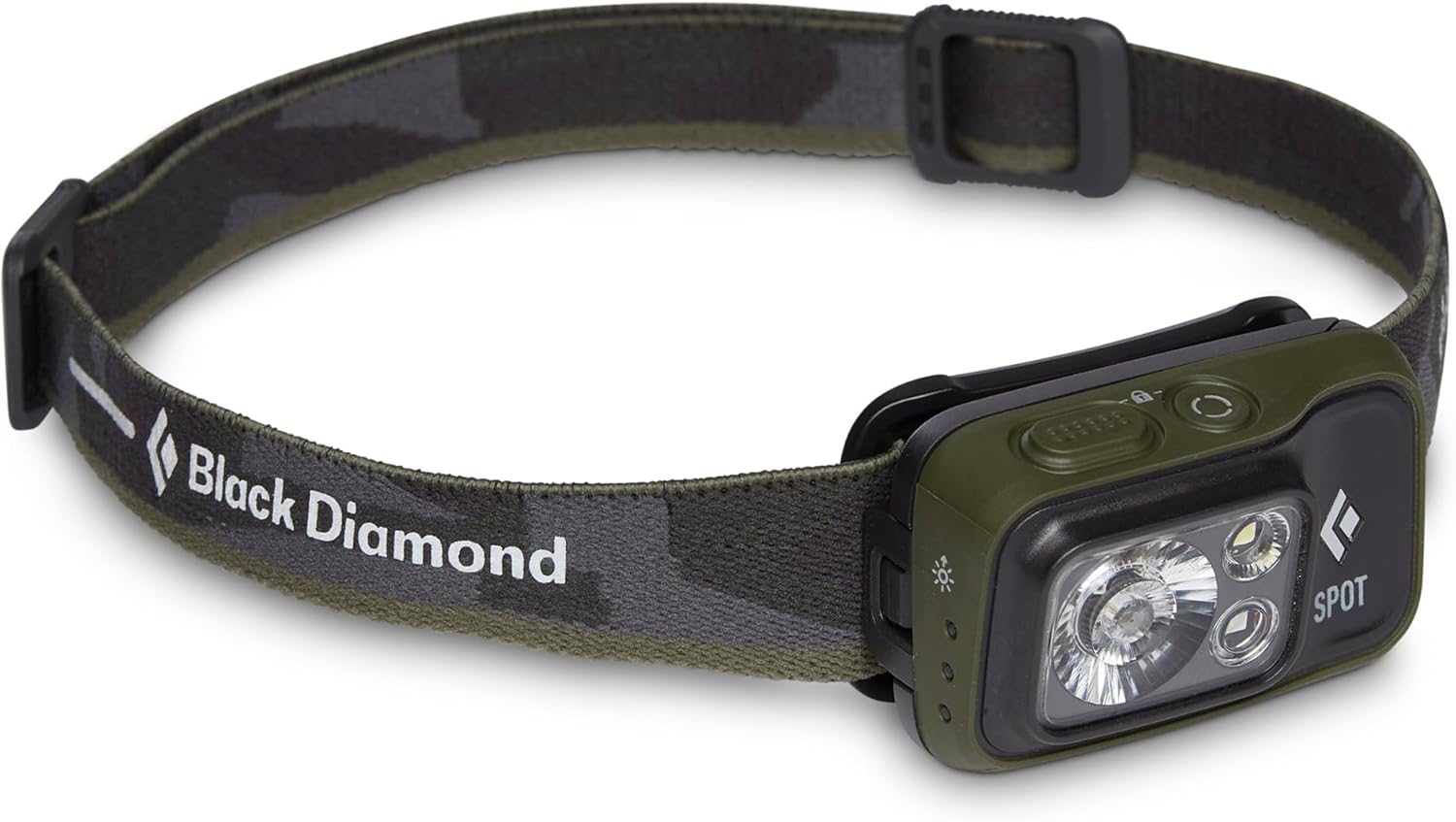
- Headlamp. Black Diamond Spot 400 Headlamp (~$60). One per person, no exceptions.
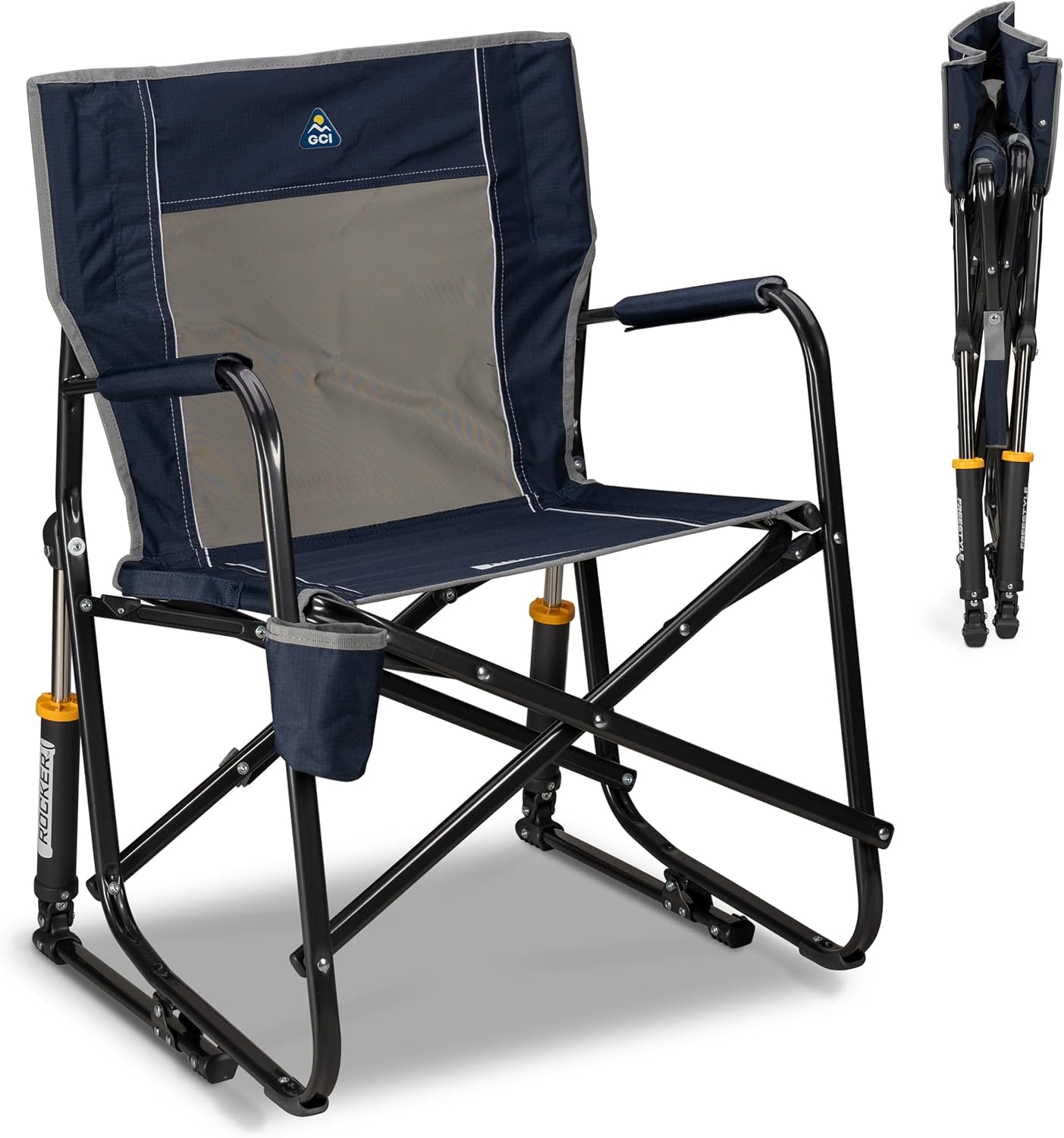
- Camp chair. GCI Outdoor Freestyle Rocker (~$80). The chair you actually want to sit in for an evening.
Frequently asked
Is summer the best season for first-time camping?
Yes. Long daylight, warm nights, and stable weather make it the easiest learning season. The trade-offs - heat, bugs, crowds - are easier to plan around than cold or wet weather.
What temperature is too hot to camp?
Multi-day forecasts above 95°F with overnight lows above 70°F are miserable, especially with kids. Reschedule, or move up in elevation where nights cool off.
How early should I book a summer campsite?
4 to 6 months out for state parks; 6 months for national parks. Most systems open exactly 6 months ahead and popular sites fill within minutes.
Do I need a 4-season tent for summer?
No. A 3-season tent with a full mesh inner is better - it ventilates and keeps bugs out. 4-season tents are sealed up for snow and overheat in summer.
What is the most underestimated summer camping risk?
Afternoon thunderstorms. Pitch the tent and rainfly before lunch and keep a non-fire dinner option ready. Lightning is the real hazard - get into the car, not the tent, if storms get close.
Are fires allowed at summer campgrounds?
Often, but not always. Western states issue fire bans regularly in mid-to-late summer. Check the campground page and the state fire-restriction site the week before. Bring a propane stove either way.