Camp food
Cold-Weather Camping Meals for Families
The summer camp menu stops working somewhere around the first 40-degree night. Here is what to cook instead: warm food made at home, hot drinks on tap all day, and a menu built around cold hands and an early sunset.
By William Blacklock · Last updated September 2026


Why the summer menu stops working
Most families learn camp food in July, when hot dogs, a cooler of sandwiches, and a leisurely dinner at 7:30pm all work fine. From late September on, four things change at once, and every one of them pushes toward the same kind of menu.
- Cold hands. Chopping an onion, cracking eggs, and scrubbing a pan are all easy at 75 degrees and genuinely unpleasant at 38. Anything that needs fine motor work at camp is a task to move home.
- Early dark. Sunset falls to about 7pm at the equinox and around 6:15pm by late October. Dinner that starts at sunset gets cooked, eaten, and cleaned up by headlamp.
- Slower stoves. Propane pressure drops with the temperature, so boil times stretch and the flame weakens, most of all first thing in the morning.
- Food cools fast. A plate of pasta on a cold picnic table is lukewarm before a six-year-old has eaten half of it. Hot food stops being a comfort and becomes part of how kids stay warm.
The answer to all four is the same: cook the real meal at home, reheat it in one pot at camp, and serve it into containers that hold heat.
Cook dinner at home, reheat it at camp
The single most useful habit for cold-weather camping food is making dinner the night before you leave. A pot of chili or stew takes an hour at your own stove with your own knives and a warm kitchen. At camp it takes one pot and ten to fifteen minutes.
Cool it, portion it into gallon zip-top freezer bags, press them flat, and freeze them on a sheet pan. Flat bags stack in the bottom of the cooler, act as ice blocks for the first day, and thaw by the evening you need them. Label each bag with the night it is for. If you are new to loading a cooler for a multi-day trip, the layering order in how to pack a cooler works the same way with frozen meals on the bottom.
The make-ahead dinners that reheat best at a campsite:
- Chili. Beef, turkey, or beans. It reheats better than it cooks fresh, and it covers two meals if you serve it over baked potatoes or with corn chips the second night.
- Beef stew or chicken and dumplings. Dense, filling, and forgiving if it simmers a few minutes too long while someone finds a lost mitten.
- Pasta sauce with sausage. Freeze the sauce, bring dry pasta, and boil the pasta at camp. This is the meal most picky eaters will reliably finish.
- Chicken and rice soup. Thick soups travel better than thin ones and fill kids up for longer.
- Mac and cheese with ham or hot dogs cut in. Make it at home a little saucier than usual, since it thickens when it is reheated.
If a bag has not thawed by dinner, set it in a pot of warm water for 20 minutes rather than trying to scrape a frozen brick around a pan. And bring one no-cook backup dinner in case the stove or the weather does not cooperate; our no-cook camping meals for kids list has plenty that hold up in a cold car.
Breakfast: hot, fast, and one pot
Cold mornings are when kids are least cooperative and the stove is weakest, so breakfast should be the simplest meal of the day.
- Oatmeal bar. One pot of instant oats or a stack of packets, plus a small bag of toppings: brown sugar, raisins, chocolate chips, peanut butter, dried apples. Kids build their own bowl, which buys cooperation.
- Pre-made breakfast burritos. Scramble eggs with sausage and cheese at home, roll them in tortillas, wrap each one in foil, and freeze. At camp they warm on the stove grate or at the edge of the fire in about ten minutes, and there is nothing to wash.
- Instant grits or cream of wheat. Same idea as oatmeal for kids who will not touch oats.
- Hot chocolate with milk, not water. Shelf-stable milk boxes make the hot chocolate more filling, which matters on a morning when breakfast gets picked at.
Run a hot-drink station all day
This is the trick that changes a cold trip the most, and it costs one piece of gear. Boil a full pot of water with breakfast and pour it into a large vacuum-insulated bottle. A good 40-ounce bottle keeps water close to hot all day, which means hot chocolate at 10am, instant soup at lunch, a cup of tea at 3pm, and warm water for washing hands, all without relighting the stove or waiting on a slow cold-weather boil.
Refill it with dinner and it covers the evening too: hot drinks by the fire, warm water for rinsing the dinner pot, and a mug of something warm at bedtime. Families who try this once rarely go back to heating water on demand.
Lunch: food jars instead of sandwiches
A cold sandwich on a cold day is technically food, but it does nothing to warm anyone up. A kid-size vacuum food jar solves lunch. Preheat it with boiling water for five minutes, dump the water, and fill it with soup, chili, or mac and cheese from the breakfast pot. It stays hot for hours in a daypack, so lunch on a trail or at a scenic overlook is a hot meal with no stove involved.
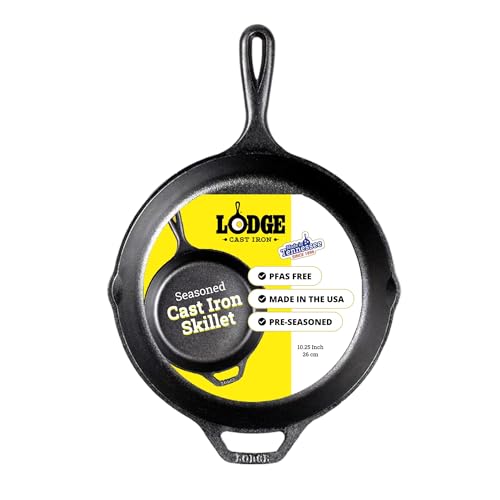
Grilled cheese in a cast iron skillet is the other reliable cold-day lunch. It takes five minutes, every kid eats it, and the skillet holds heat well enough to keep a second round warm while the first one gets eaten.
Keep the food hot once it is cooked
Cold-weather meals fail more often at the serving step than at the cooking step. A few habits keep food hot long enough to eat it:
- Serve into insulated mugs, not plates. Chili, stew, soup, and oatmeal all eat fine from a mug with a spoon, and an insulated mug keeps them hot for the whole meal.
- Keep the lid on the pot. Between servings, a covered pot on the lowest flame stays hot for seconds. An uncovered one on a cold evening does not.
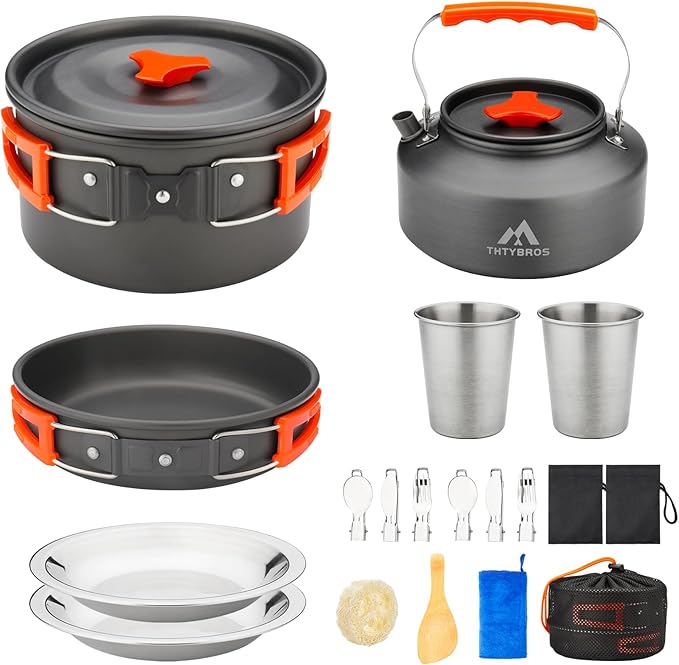
- Cook out of the wind. Wind pulls more heat off a pot than the cold air does. Use the car, a tarp, or the stove's own windscreens to shelter the burner.
- Eat near the stove. The picnic table 20 feet away is a long walk for a hot bowl in the dark. Set up to eat where you cook.
Stove and fuel in the cold
A standard propane camp stove works fine on a fall trip if you plan for it running a little weaker. Keep the fuel cylinder in the car overnight rather than on the picnic table, because a cylinder that spent the night at 30 degrees delivers noticeably less pressure at breakfast. Bring one more cylinder than you think you need, since longer boil times burn more fuel. Set up with the stove's windscreens up and the back of the stove to the wind.
One firm safety line: never cook inside a tent, and never bring a stove, a lit cylinder, or any fuel-burning heater into one to warm it up. Carbon monoxide builds up quickly in an enclosed space and gives no warning. A pop-up canopy or a tarp over the cooking area is the right way to cook sheltered.
Eat before dark
The biggest schedule change for cold-weather camp food is moving dinner earlier. Aim to be eating by about 5:30pm in October, and earlier once the clocks fall back in November. Cooking in daylight is faster, warmer, and less stressful, and it leaves time to wash up while the water in the vacuum bottle is still hot. Our guide to camping after dark with kids covers the lighting and the long evening that follows.
Wash dishes right after dinner, not in the morning. Food residue freezes onto a pot overnight on a cold night, and scrubbing it at 7am with cold hands is the worst chore of the trip.
The bedtime snack that keeps kids warm
Digesting food produces heat for hours, so what kids eat last thing at night genuinely affects how warm they sleep. A small snack with fat and protein in it, like peanut butter on a tortilla, a cheese stick with crackers, or a handful of trail mix, plus a mug of hot chocolate made with milk, is the most effective cold-night habit that costs nothing. Keep it small so nobody needs a 2 a.m. bathroom trip. For the rest of the overnight setup, including the sleep system and what to wear to bed, see how to keep kids warm camping.
A sample two-night cold-weather menu
This menu feeds a family of four arriving Friday afternoon and leaving Sunday morning. Almost everything is cooked at home the week before.
- Friday dinner: make-ahead chili, reheated in one pot, served in mugs with corn chips and shredded cheese. Hot chocolate by the fire.
- Saturday breakfast: oatmeal bar with toppings. Fill the vacuum bottle with the rest of the boiled water.
- Saturday lunch: leftover chili or soup in preheated food jars, eaten on the trail, or grilled cheese at camp.
- Saturday dinner: frozen pasta sauce with sausage over pasta boiled at camp. Bedtime snack of peanut butter tortillas.
- Sunday breakfast: pre-made breakfast burritos warmed in foil. Nothing to wash on pack-out morning.
For a warmer-weather version with a full shopping list, the family camping meal plan uses the same structure, and fall camping for beginners covers the rest of what changes once the nights get cold.
Frequently asked
What are the best camping meals for cold weather?
Hot one-pot meals with fat and protein, made at home and reheated at camp: chili, beef stew, chicken and rice soup, and pasta with sausage sauce. Freeze them flat so they double as cooler ice. For breakfast, an oatmeal bar or pre-wrapped breakfast burritos.
How do you keep food warm when camping in the cold?
Serve from the pot into insulated mugs or preheated food jars rather than onto plates, keep the lid on the pot between servings, cook out of the wind, and eat near the stove.
Does a camp stove work in cold weather?
Yes, but propane loses pressure as it gets colder, so expect a weaker flame and slower boils. Keep the cylinder in the car overnight, bring a spare, and block the wind. Never use a stove or fuel-burning heater inside a tent.
What should kids eat before bed when camping in the cold?
A small snack with fat and protein, such as peanut butter on a tortilla or a cheese stick and crackers, plus a warm drink. Digestion produces heat overnight, and a hungry kid sleeps cold.