Ozarks
Camping in the Ozarks for Beginners
Clear spring-fed rivers, bluffs, waterfalls, and the latest fall color in the eastern half of the country. Here is how to plan a first trip in Missouri or Arkansas.
By William Blacklock · Last updated April 2026


What camping in the Ozarks is actually like
- Rivers are the whole draw. Cold, clear, spring-fed rivers with gravel bars, limestone bluffs, and caves. Most family trips revolve around a swim, a float, or a waterfall hike.
- Not really mountains. The Ozarks are a worn-down plateau cut into steep hollows. Elevation is modest, but the roads are twisty and slow, so drive times run longer than the map suggests.
- A late fall season. Color peaks later here than in most of the East, which makes late October the sweet spot and early November a real option.
- Beginner focus: a state park with showers in fall or spring, permethrin-treated clothes, and a campsite well above the river.
What's different about camping in the Ozarks
The season runs late
- Spring (April-May): dogwoods, waterfalls running full, and the best floating on the upper Buffalo. Also the peak of spring storms and flooding.
- Summer (June-August): hot and humid, with chiggers in every patch of tall grass. Families who come in summer spend it in the river.
- Fall (late September-mid November): the prime window. Color starts in the second week of October and usually peaks late in the month, running into early November in Arkansas.
- Winter (December-March): mild days, cold nights, few crowds. Many campground facilities scale back, so check before you go.
The Buffalo River changed its booking rules in 2026
- Steel Creek, Ozark, Carver, Tyler Bend, and Rush campgrounds are now reservation-only on recreation.gov, from six months out up to the same day.
- No more cash or checks. Keep your confirmation number handy, since reservation cards are no longer posted at sites.
- Kyles Landing, Erbie, and some Buffalo Point sites stay first-come, first-served, which matters on a busy October Saturday.
- The 2026 season runs March 13 through November 15. Check nps.gov/buff for off-season status.
Ticks and chiggers are the real hazard
- Missouri and Arkansas have some of the highest rates of tick-borne illness in the country, including ehrlichiosis and spotted fever. Lone star ticks are also linked to alpha-gal syndrome.
- Chiggers live in tall grass and brush all summer and fade after the first frosts. Ticks stay active on warm fall afternoons.
- Permethrin on clothing, socks, and shoes the day before you leave. Picaridin or DEET on skin.
- Full tick check on every kid every evening: hairline, behind ears, waistband, behind knees. Fine-tip tweezers in the first aid kit.
Rivers rise fast
- Ozark rivers drain steep, rocky hollows, and heavy rain upstream can raise the water several feet in hours, sometimes under a clear sky where you are.
- Gravel bar camping is a local tradition and legal in many places, but it is the wrong choice for a first trip and the wrong choice any night with rain in the forecast.
- Low-water crossings flood too. Never drive through water over the road, even a familiar crossing.
- In fall the opposite problem shows up: the upper Buffalo is often too low to float. Check the river gauge and ask an outfitter before you plan a paddle.
Hunting season overlaps prime fall weekends
- Both states run firearms deer seasons in November, and hunting is allowed on national forest land and on much of the Buffalo National River.
- Blaze orange hats or vests for everyone on trails in November, kids included.
- Developed campgrounds and state parks are the calmer choice those weekends.

Best setup for your first trip in the Ozarks
Three beginner trip types that work here, mapped to plans on this site. Take the 5-second quiz if you want one matched to your dates. For the cold-night and early-dark side of a late October trip, read fall camping for beginners alongside this guide.
- Backyard Test. Run it on a 40°F night. Ozark fall days feel like summer, and the surprise is how cold the tent gets by 5 a.m.
- First Night Camp. One night at a state park within two hours of home. Devil's Den from northwest Arkansas, Bennett Spring or Echo Bluff from Springfield or St. Louis.
- Easy Family Basecamp. Two nights at Tyler Bend or Steel Creek once you have a trip behind you, with day hikes to Lost Valley and an evening drive through Boxley Valley to see the elk.
Where beginners should look
Arkansas state parks
Devil's Den, south of Fayetteville, is the classic first trip: a small lake, a creek, stone buildings from the 1930s Civilian Conservation Corps, and short trails to caves and crevices kids love. Withrow Springs near Huntsville is quieter, and Petit Jean, Arkansas's first state park, sits on the southern edge of the region with a waterfall hike and big views. Book at arkansasstateparks.com.
Missouri state parks
Missouri state park campsites can be reserved up to 12 months ahead, with same-day bookings also available, through mostateparks.com. Echo Bluff has modern facilities and a creek running below a tall bluff. Bennett Spring and Roaring River are trout parks built around big springs, and Lake of the Ozarks State Park, the largest in the state system, has plenty of sites and swimming beaches. Johnson's Shut-Ins is spectacular but gets crowded in summer.
Buffalo National River (Arkansas)
America's first national river, and the reason most people come. Steel Creek sits under the Roark Bluff near Ponca, Tyler Bend in the middle section has the easiest family facilities and Buffalo Point anchors the quieter lower river. In fall, the elk herd in Boxley Valley along Highway 43 is at its most active, with bulls bugling at dawn and dusk from late September through October. Use the pull-offs and stay in the car.
Ozark National Scenic Riverways (Missouri)
The Current and Jacks Fork rivers, with huge springs, caves, and old mills. Big Spring, Alley Spring, Round Spring, and Pulltite campgrounds are reservation-only on recreation.gov. Pulltite stays open year-round, though full showers are seasonal. It is more remote than the Buffalo, so fill the tank and the cooler before you drive in.
National forests
The Mark Twain National Forest in Missouri and the Ozark-St. Francis National Forests in Arkansas have small developed campgrounds and wide areas open to dispersed camping. See dispersed camping on BLM and national forest land for the basics, and remember that November is deer season on most of this land.
What to bring (for the Ozarks)
Start from a normal beginner packing list, then adjust:
Add
- Permethrin for clothing and shoes, plus picaridin or DEET for skin. The single most important Ozarks item.
- A 30°F sleeping bag for late October and November. Days in the 70s and nights in the 30s happen on the same trip.
- Water shoes with closed toes for creeks and gravel bars. River rock is slick and sharp.
- Fine-tip tweezers and a small zip-top bag for tick removal.
- Blaze orange hats for everyone if you are hiking in November.
- Firewood bought near the campground. Moving firewood spreads tree pests, and many parks sell it on site.
- Offline maps. Cell service disappears in the hollows, often right when you need directions.
Skip or downsize
- Bear canisters. Black bears live in the Ozarks, but campground bear pressure is far lower than in the Smokies. Normal car or locker storage for food and trash is the right level.
- Heavy rain gear in fall, which is usually the driest stretch of the year. A light shell covers it.
- A big canopy for a fall trip. Shade matters in July, not late October.
Common first-time mistakes in the Ozarks
- Skipping permethrin because it is fall. Chiggers fade after frost, but ticks do not. A warm October afternoon on a grassy trail is still tick season.
- Pitching on the gravel bar. It looks perfect: flat, open, next to the water. Rain 20 miles upstream can put that gravel bar underwater overnight. Camp in a developed site on the first trip.
- Assuming Buffalo River sites are walk-up. Most of the popular campgrounds switched to reservation-only in 2026. Book on recreation.gov, or have Kyles Landing or Erbie as a fallback and arrive early.
- Trusting the map's drive time. Ozark highways are narrow and full of curves. Arrive in daylight, especially in November when it is dark by about 5 p.m.
- Packing a summer bag for a fall trip. A 45°F bag feels fine at 7 p.m. and miserable at 4 a.m. See how to keep kids warm camping for the full cold-night setup.
Simple gear setup for the Ozarks
A working starter kit calibrated for the Ozarks: tick prevention, a sleeping system for cold fall nights, and gear that handles damp river air.
- Tick and chigger prevention. Sawyer Permethrin Insect Repellent for Clothing and Gear (24 oz) (~$18). Spray clothes, socks, shoes, and the tent door outdoors the day before, and let everything dry fully.
- Tent. Coleman Sundome 4-Person (~$68). Full-coverage fly for heavy dew in the river valleys.
- Sleeping bag. Coleman Brazos Sleeping Bag (~$54). Fine through early October. For late October and November nights, add a liner or step up to a warmer bag.
- Sleeping pad. Big Agnes Divide UnInsulated Pad (~$100). Cold ground steals more heat than cold air, so the pad matters as much as the bag in fall.
- Stove. Coleman Triton+ 2-Burner Propane Stove (~$108). Dry falls can bring county burn bans, so plan meals around the stove.
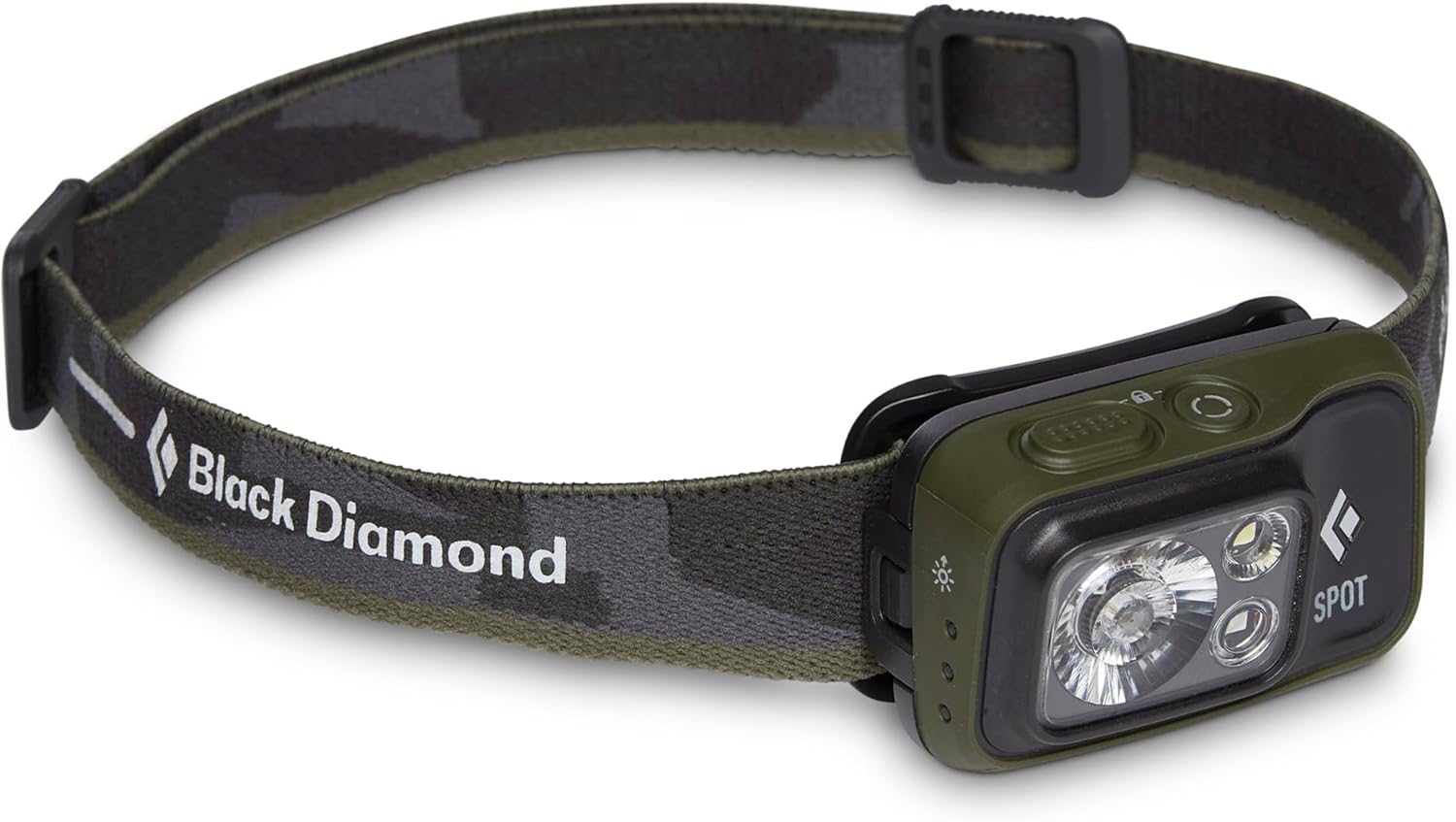
- Headlamp. Black Diamond Spot 400 Headlamp (~$60). One per person, and it doubles as the light for the evening tick check.
- First aid. Gevoke 410-Piece First Aid Kit (~$40). Add fine-tip tweezers if the kit does not include them.
Frequently asked
When is the best time to camp in the Ozarks?
Late September through mid-November, with April and May a close second. Color usually peaks in late October and runs into early November in Arkansas. Summer is hot, humid, and full of chiggers.
Do I need a reservation to camp on the Buffalo National River?
At most popular campgrounds, yes. Since 2026, Steel Creek, Ozark, Carver, Tyler Bend, and Rush are reservation-only on recreation.gov, from six months out to the same day. Kyles Landing, Erbie, and some Buffalo Point sites stay first-come, first-served.
How bad are ticks and chiggers in the Ozarks?
Bad enough to plan around. Tick-borne illness rates are among the highest in the country. Chiggers fade after frost, but ticks do not. Permethrin on clothes, repellent on skin, and a tick check every night.
Where should an Ozarks first-timer camp?
A state park with showers. Devil's Den or Withrow Springs in Arkansas, Echo Bluff or Bennett Spring in Missouri. Save the Buffalo River gravel bars and the Riverways for a later trip.