Appalachia
Camping in the Appalachians for Beginners
What to expect, what changes, and how to plan your first trip in the Smokies, Blue Ridge, or Shenandoah.
By William Blacklock · Last updated April 2026


What camping in the Appalachians is actually like
- Fall is the headline season. Mid-October leaf colors at altitude, late-October colors lower down. Crowds peak in those four weeks.
- Humid summers, dense forest. The defining Appalachian feel: green, layered ridges, blue mist in the valleys at dawn.
- Real bear country. Great Smokies has one of the densest black bear populations in the U.S. Storage discipline matters.
- Beginner focus: a state park within 90 minutes of home, in spring or late September, with bear-aware food storage and tick-treated clothing.
What's different about camping in the Appalachians
Seasonal pattern
- Spring (April-May): wildflower season in the Smokies, mild temperatures, start of bug season.
- Summer (June-August): humid and buggy at lower elevations, cool at higher elevations. Afternoon thunderstorms common.
- Fall (September-early November): the prime window. Cool nights, crisp days, leaf colors. Crowds peak in October.
- Winter (December-March): mild and wet at low elevation; snow at altitude. Many high-elevation campgrounds close.
Leaf-peeper crowd management
- October weekends on the Blue Ridge Parkway, in the Smokies, and in Shenandoah are the most-crowded stretch of the year nationwide.
- Reservations 6 months out for federal campgrounds. State parks tend to be easier.
- Mid-week is dramatically lower stress. Friday afternoon arrivals fight 4-hour traffic on the Parkway.
- Sunset and sunrise are when the crowds are thinnest at any overlook - and the light is best.
Bear country with high density
- Great Smokies has roughly 1,500 black bears in 800 square miles. Bears in campgrounds are habituated and persistent.
- Use bear cables, bear poles, or bear boxes where provided. Hard-sided vehicle storage is acceptable; soft camper shells are not.
- Anything with scent goes in storage at night: food, toothpaste, sunscreen, deodorant, chapstick, even gum wrappers.
- A bear that gets a food reward gets destroyed - your storage discipline saves bears, not just you.
Ticks are a real and rising risk
- Lyme disease is endemic across the region; alpha-gal syndrome from Lone Star ticks is increasingly reported.
- Permethrin-treat your clothing 24+ hours before the trip. Lasts 6 weeks.
- Picaridin or DEET on exposed skin.
- Tuck pants into socks on trails. Do a full tick check after every hike. Know how to remove an embedded tick (fine-tip tweezers, slow steady pull, save the tick in a bag if Lyme symptoms appear).
Humidity and rain
- Lower-elevation summer humidity routinely above 70%. Cotton stays wet all day.
- Afternoon thunderstorms common June-August. Pitch the tent and rainfly by lunch.
- Cloud-deck mornings (the “blue Smoky mist”) deposit heavy condensation on tents. Wipe down before packing.

Best setup for your first trip in the Appalachians
These are the three beginner trip types that work in the Appalachians, mapped to plans on this site. Take the 5-second quiz if you want one matched to your dates and the foliage window you're aiming for. For peak fall weekends, also see fall camping for beginners and fall foliage camping with kids, which covers how the color front moves down the ridges here.
- Backyard Test. Run it on a forecast night under 60°F. Lower-elevation Appalachian summers are warm and humid; the backyard test mostly proves your bug control and rainfly setup.
- First Night Camp. One night, one car, a state park within 90 minutes. Stone Mountain SP (NC), Fall Creek Falls SP (TN), Hungry Mother SP (VA) all fit. Pick spring or late September.
- Easy Family Basecamp. Two nights at a state park or NF campground with bear cables and reliable bathrooms. Mid-week reservations open up substantially even in October.
Where beginners should look
State parks
State park systems in NC, TN, and VA are well-run, with consistent bathrooms, potable water, and bear-aware infrastructure. Reserve at ncparks.gov (North Carolina), tnstateparks.com (Tennessee), and dcr.virginia.gov (Virginia). State parks generally beat federal campgrounds on availability and consistency for first-trip use. For a state-specific plan, including fall color timing and the Outer Banks, see camping in North Carolina for beginners.
National parks and federal lands
Great Smoky Mountains, Shenandoah, New River Gorge, and the Blue Ridge Parkway corridor reserve through recreation.gov. Smokies Cades Cove, Smokemont, and Elkmont are the headline campgrounds - competitive in October.
National forests
Pisgah, Nantahala, Cherokee, Jefferson, George Washington, and Daniel Boone NFs have hundreds of developed campgrounds and many less competitive than the national parks. Davidson River in Pisgah (the Brevard / Looking Glass Falls corridor) is the most popular tent campground in the region and books accordingly; Linville Gorge Wilderness on the eastern edge of Pisgah and the Roan Mountain highlands on the NC/TN line are dispersed-camping legend without the Smokies reservation pressure. Many forest sites are first-come, first-served outside leaf season.
Dispersed camping
Permitted on most national forest land in the region, with restrictions in heavily-used corridors. Bear-aware food storage is required. Beginners should start with developed campgrounds first.
What to bring (for the Appalachians)
The Appalachian variables are humidity, ticks, bears, and big day-night temperature differences in fall. Adjust the basics:
Add
- Permethrin spray for clothing (apply 24h+ before trip), plus picaridin or DEET for skin.
- Long pants and long sleeves for trails - sock-tucking works.
- 30°F sleeping bag in fall and spring; 50°F is fine for summer at low elevation, 30°F at altitude.
- Waterproof rainfly and footprint - humidity and morning condensation are constant.
- Tarp over the picnic table for afternoon rain.
- Bear-safe food storage - use the campground bear cable / box, or lock food in a hard-sided vehicle.
- Fine-tip tweezers and a small zip-bag for tick removal/storage.
- Quick-dry synthetic clothing - cotton stays wet in Appalachian humidity.
Skip or downsize
- 4-season tent. A good 3-season tent with full mesh inner is the right call.
- Heavy snow gear unless winter-camping at altitude.
Common first-time mistakes in the Appalachians
- Trying to book Cades Cove or Big Meadows two weeks ahead in October. Six months ahead, the morning the recreation.gov window opens. Otherwise pick a state park or NF alternative.
- Storing food at the picnic table - even in a cooler. Smokies bears will work a soft cooler open in 90 seconds and will damage a hard cooler trying. Worse, a cooler visible through a car window is enough to bring them in for the doors and panels. Use the bear cable for everything with a scent and lock the rest deep in the trunk.
- Skipping permethrin in tick season. Lyme is endemic. Treat clothing 24h before the trip; it lasts 6 weeks.
- Pitching after dark in a leaf-season weekend. Friday traffic on the Blue Ridge Parkway between Asheville and Boone adds 2-4 hours in October, and the climb up Mt Mitchell's access road can sit at a standstill. Arrive by 4pm, or shift to mid-week.
- Cotton t-shirts, cotton socks, and cotton pajamas. Appalachian humidity keeps cotton damp - synthetic or wool only.
Simple gear setup for the Appalachians
A working starter kit calibrated for Appalachia - built around bear-aware storage, tick prevention, humidity-resilient gear, and a sleeping system warm enough for fall nights.
- Tent. Coleman Sundome 4-Person (~$68). Full mesh inner, full-coverage rainfly. Pitch with the door downwind for ventilation in humid valleys.
- Sleeping bag. Coleman Brazos Sleeping Bag (~$54). Works low-elevation summer. For fall/spring at altitude, add a liner or use a 20°F bag.
- Sleeping pad. Big Agnes Divide UnInsulated Pad (~$100). Self-inflating, packs small. In damp conditions, lay a closed-cell foam pad underneath.
- Stove. Coleman 1-Burner Propane Stove (~$40). Reliable in damp conditions.
- Cooler. Coleman Classic Rolling Cooler 100QT (~$107). Bear cable or vehicle lockup overnight in any Appalachian campground.
- Tarp / canopy. CROWN SHADES 10×10 Pop-Up Canopy (~$140). For afternoon rain over the picnic table.
- Lighting. LuminAID Titan 2-in-1 Solar Lantern (~$75).
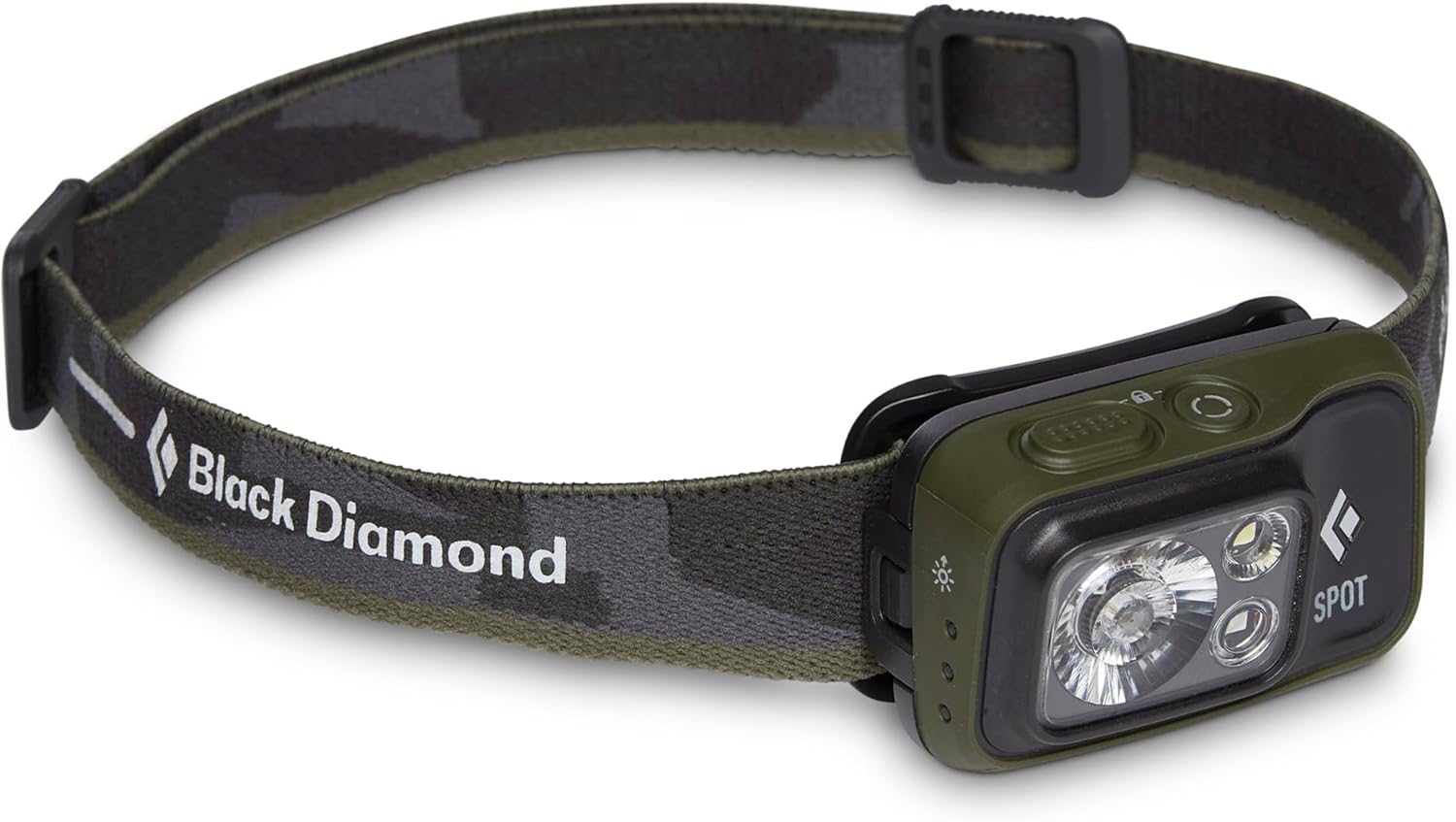
- Headlamp. Black Diamond Spot 400 Headlamp (~$60). One per person. Useful for the cool dark mornings of fall.
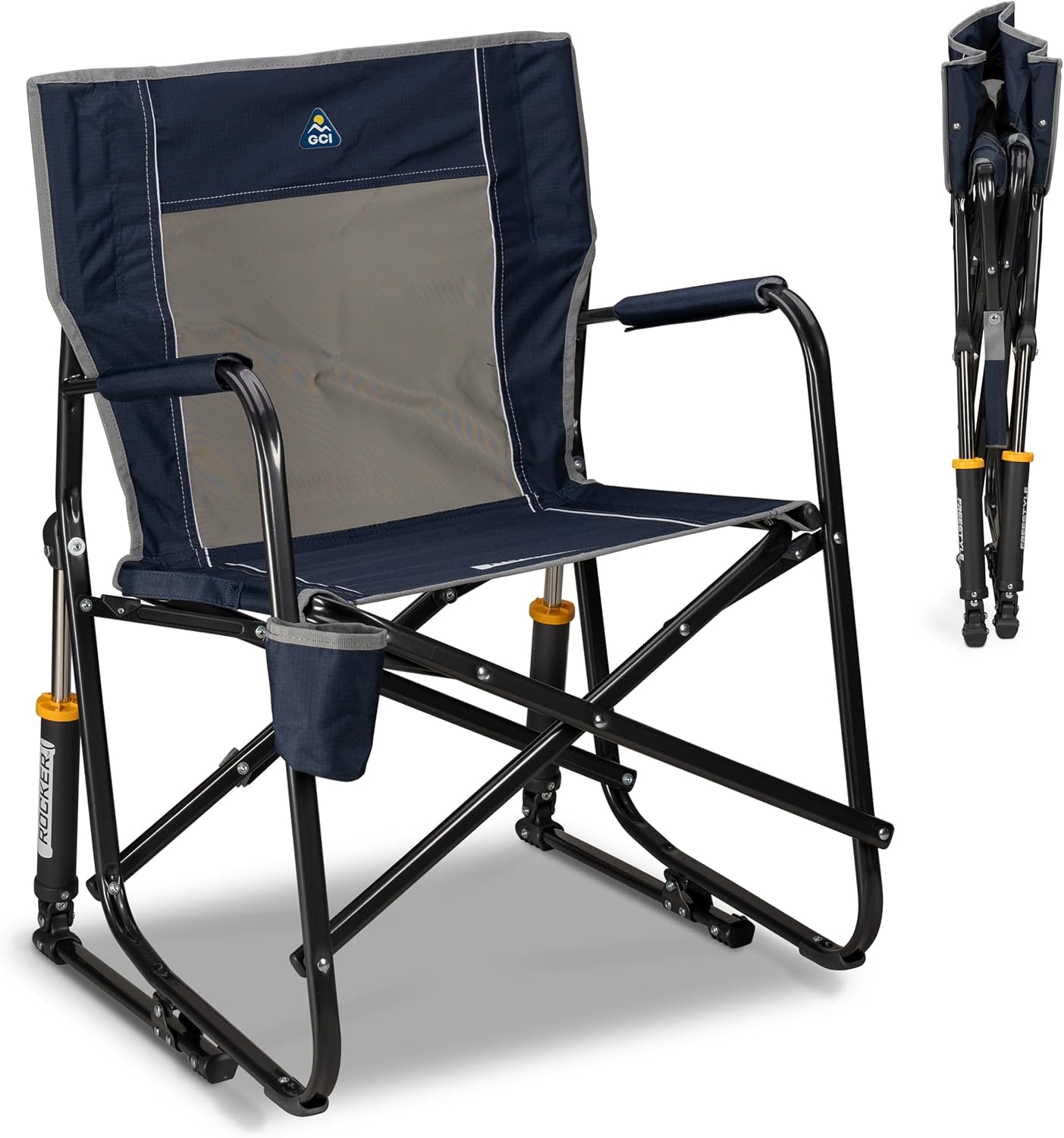
- Camp chair. GCI Outdoor Freestyle Rocker (~$80).
- Tick / bug control. Permethrin spray for clothing, picaridin or DEET for skin, fine-tip tweezers for tick removal.
Frequently asked
When is the best time to camp in the Appalachians?
September through early November, then April through May. Fall is iconic - leaf colors peak mid- to late-October. Spring is wildflower season. Summer is humid at lower elevations.
How crowded does it get in October?
Very. Leaf-peeper season is the most-crowded stretch of the year on the Blue Ridge Parkway and in Smokies/Shenandoah. Six-month reservations and mid-week dates are the way through.
How worried should I be about black bears?
Aware, not afraid. Smokies has one of the densest black bear populations in the country. Use bear cables, lock food in a hard-sided vehicle, store everything with scent at night.
How bad are ticks?
Common late spring through early fall. Lyme is endemic, alpha-gal increasingly reported. Permethrin-treat clothing, picaridin/DEET on skin, tuck pants into socks, do tick checks after every hike.
How hard is it to book Smokies, Shenandoah, or Blue Ridge campgrounds?
Variable - federal campgrounds book 6 months out for popular dates. Many Blue Ridge Parkway campgrounds are first-come, first-served and arrive-by-2pm. State parks are often easier.
Where should an Appalachian first-timer actually go?
A state park within 90 minutes of home, in spring or late September. NC's Stone Mountain, Mount Mitchell, Hanging Rock; TN's Fall Creek Falls; VA's Hungry Mother. Save Cades Cove and Big Meadows for trip three.