North Carolina
Camping in North Carolina for Beginners
Blue Ridge color in October, waterfalls in every county west of Asheville, and a barrier-island coast that rewards the people who pack for wind.
By William Blacklock · Last updated April 2026


What camping in North Carolina is actually like
- Three very different regions. The mountains in the west have elevation, waterfalls, and cold fall nights. The Piedmont in the middle has big reservoir lakes and easy drives from Charlotte, the Triad, and the Triangle. The coast has barrier islands, sand, and wind.
- Fall is the main event. October is the busiest month of the year in the mountains. Weekends at popular parks and along the Blue Ridge Parkway book out well ahead.
- A friendly state park system. Most North Carolina state parks charge no entry fee, and the campgrounds have restrooms, water, and rangers on site.
- Beginner focus: a state park with a lake or a waterfall trail, on a fall weekend, with a sleep system rated for nights 10 degrees colder than the forecast.
What's different about camping in North Carolina
Elevation sets the temperature
- Elevation in the state runs from sea level to Mount Mitchell, the highest peak east of the Mississippi. A campsite 4,000 feet up can be 15 degrees colder than Charlotte on the same night.
- By late October, mountain campgrounds above 3,000 feet regularly see lows in the 30s, and the highest sites can freeze. Plan the sleep system for the low, not the high.
- Kids get cold first. If you are taking young children to the mountains in fall, read how to keep kids warm camping before you pack.
- The flip side: in summer, elevation is the escape from Piedmont heat and humidity.
Fall color moves downhill
- Color shows up first on the highest ridges in early October.
- The Boone, Blowing Rock, and Linville area usually peaks around mid-October.
- Asheville and the lower mountains follow in late October, and the foothills hold color into early November.
- If your preferred weekend is booked, follow the color down the mountain rather than giving up on the season.
Bears in two regions, elk in one valley
- Black bears live across the mountains and in large numbers in the coastal plain. Assume one will walk through any wooded campground.
- Food, coolers, trash, toiletries, and anything scented go in a hard-sided vehicle or a bear box every night and every time you leave the site. Our bear country with kids guide covers the full routine.
- Elk live in the Cataloochee valley and around Oconaluftee on the North Carolina side of Great Smoky Mountains National Park. The fall rut makes bulls unpredictable. Stay at least 50 yards away and let the kids watch from the car.
Helene changed the map in the west
- Hurricane Helene in September 2024 caused severe flooding and landslides across western North Carolina. Sections of the Blue Ridge Parkway, national forest roads, trails, and some campgrounds were closed for long stretches afterward.
- Recovery has been ongoing, and status changes. Before you book, check current alerts at the Blue Ridge Parkway site and the National Forests in North Carolina alerts page.
- Mountain towns rely on visitors. Going is part of the recovery, as long as you go where things are open.

Best setup for your first trip in North Carolina
Three beginner trip types that work here, mapped to plans on this site. Pick the smallest one you have not done yet, or take the 5-second quiz and we will match one to your dates and party size. If the trip is in October or November, skim fall camping for beginners first.
- Backyard Test. Do it on a cool night. A sleep system that is fine at 55°F at home tells you nothing about 38°F at 3,500 feet, and the backyard is where you find that out cheaply.
- First Night Camp. One night at a state park within two hours, ideally late September or early October before the coldest nights arrive. Hanging Rock, Stone Mountain, or Lake James all have a short walk to something worth seeing.
- Easy Family Basecamp. Two nights in the mountains: a waterfall hike one day, a Parkway overlook drive and a town lunch the other. Arrive Friday before dark, because October traffic on mountain roads adds time.
Where beginners should look
North Carolina state parks
The state parks are the easiest first trip in North Carolina. Hanging Rock north of Winston-Salem has a small swimming lake, several short waterfall walks, and cabins if the tent plan falls apart. Stone Mountain sits under a 600-foot granite dome with a waterfall and a historic homestead along the main loop. Lake James near Marion puts a big lake in front of the Blue Ridge, and Jordan Lake gives the Triangle huge lakeside campgrounds a short drive from home. Reserve through ncparks.gov, and book fall weekends early.
Blue Ridge Parkway and the Smokies
The Parkway runs seasonal campgrounds at Julian Price Park near Blowing Rock, Linville Falls, and Mount Pisgah, generally open from late spring through October and reserved on recreation.gov. They are simpler than state parks and noticeably colder at the high end. On the North Carolina side of Great Smoky Mountains National Park, Smokemont and Deep Creek are the family classics, and Cataloochee is the quiet elk valley at the end of a winding gravel road. The Smokies require a paid parking tag for vehicles parked longer than 15 minutes, so check nps.gov/grsm for how that applies to your stay. For the wider region, including Tennessee and Virginia, see camping in the Appalachians for beginners.
Pisgah and Nantahala National Forests
The two big national forests hold dozens of developed campgrounds. Davidson River near Brevard is the best known, close to Looking Glass Falls and a long list of waterfalls. Fees are low and facilities are basic, which makes the forests a natural trip two. These forests took some of the heaviest Helene damage, so check current closures before you count on a specific campground, and check fire restrictions during dry fall spells.
The coast and the Outer Banks
Cape Hatteras National Seashore runs seasonal campgrounds at Oregon Inlet, Cape Point, Frisco, and Ocracoke, all on recreation.gov, with dates and conditions at nps.gov/caha. Expect sand sites, little shade, and steady wind off the ocean. Fall is a beautiful time on the coast once the summer crowds leave, but hurricane season runs through November 30, so watch the forecast in the week before and have a backup plan inland.

What to bring (for North Carolina)
Start from a normal beginner packing list, then adjust for the region and the season:
Add for the mountains in fall
- Sleeping bags rated to 20°F, or a 30°F bag plus a fleece liner. Mountain nights in late October drop well below what the afternoon suggests.
- An insulated sleeping pad under every person. A bare air mattress pulls heat out of you all night.
- Warm hats for sleeping, dry socks reserved for bed, and a puffy jacket or heavy fleece per person.
- Hand warmers for the morning, when the coffee is still on the stove.
- A rain tarp. Mountain weather turns fast, and fog can soak a camp even when it is not raining.
- A headlamp per person. It is dark by 7pm in late October, and earlier once the clocks change.
Add for the coast
- Long sand stakes and extra guylines. Standard stakes will not hold in Outer Banks sand.
- Bug spray with picaridin or DEET for the mosquitoes on the sound side of the dunes.
- A low, sturdy dome tent rather than a tall cabin tent that catches the wind.
Skip or downsize
- A tent fan in fall. Save it for summer in the Piedmont.
- Four-season tents. A good three-season tent with a full rainfly handles North Carolina fall.
- Firewood from home. Moving firewood spreads tree pests, so buy it at or near the campground.
Common first-time mistakes in North Carolina
- Packing for the forecast in town. A 68°F afternoon in Asheville can become a 36°F night at a campground 2,000 feet higher. Check the forecast for the campground elevation, not the nearest city.
- Trying to book a peak October weekend a few weeks out. Popular mountain parks and Parkway campgrounds fill well in advance for color season. Book early, go mid-week, or follow the color down to the foothills in early November.
- Leaving the cooler out. Bears in busy campgrounds know what a cooler is. Lock it in the car every night and whenever you leave the site.
- Assuming everything reopened after Helene. Some roads, trails, and campgrounds in the west stayed closed long after the storm. Check status the week you go.
- Climbing on waterfall rocks. Wet rock near North Carolina waterfalls is extremely slippery, and falls there injure visitors every year. Stay on trails and behind railings, and hold small hands.
Simple gear setup for North Carolina
A working starter kit calibrated for North Carolina in fall: cold mountain nights, early dark, and wind at the coast. Built around warmth and staying put rather than staying cool.
- Tent. Coleman Sundome 4-Person (~$68). Low profile for coastal wind, full rainfly for mountain fog and showers.
- Sleeping bag. Coleman Brazos Sleeping Bag (~$54), with a Sea to Summit Reactor Extreme Sleeping Bag Liner for the colder mountain nights.
- Sleeping pad. Big Agnes Divide UnInsulated Pad (~$100). Insulation from the ground matters more than the bag on a 35°F night.
- Stove. Coleman Triton+ 2-Burner Propane Stove (~$108). Hot breakfast fast, and it works during fall burn bans when campfires do not.
- Hand warmers. HotHands Hand Warmers, 40 Pairs (~$23). One pair per kid on cold mountain mornings.
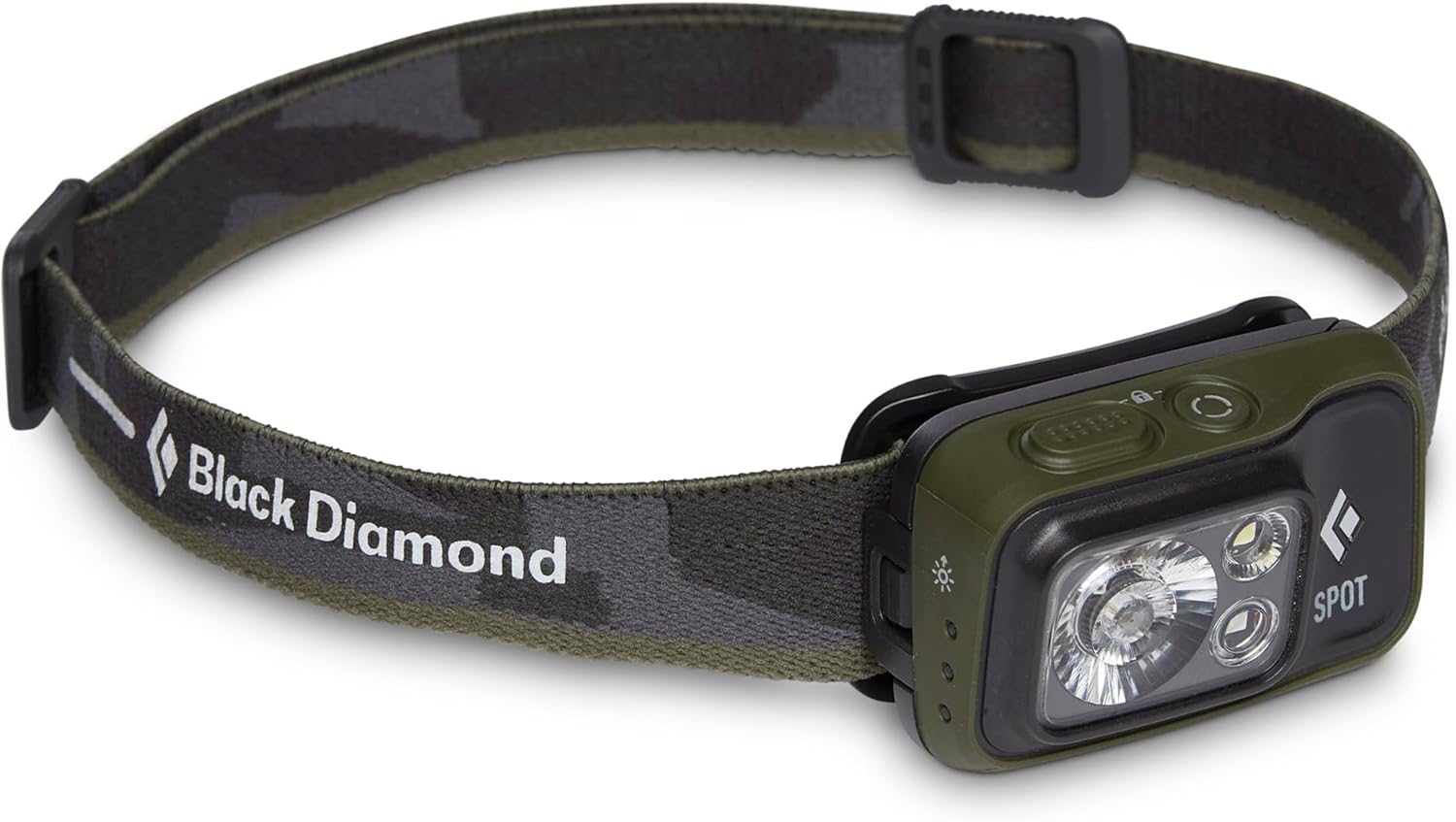
- Headlamp. Black Diamond Spot 400 Headlamp (~$60). One per person for the long fall evenings.
- Sand stakes (coast only). Tesorrio 12.6 in Aluminum U-Shaped Sand Stakes, 6-Pack (~$14). Long U-shaped stakes that hold in loose Outer Banks sand when standard pegs pull out.
Frequently asked
When is the best time to camp in North Carolina?
Mid-September through early November, then April through May. Fall color reaches the high peaks in early October, the Boone area around mid-October, and the foothills by early November. Summer trips work best above 3,000 feet.
Where should a North Carolina first-timer camp?
A state park with a lake or a waterfall within two hours of home: Hanging Rock, Stone Mountain, Lake James, or Jordan Lake. Most state parks charge no entry fee, and all have restrooms and staff.
Do I need to worry about bears?
Plan for them in both the mountains and the coastal plain. Lock all food, coolers, trash, and scented items in a hard-sided vehicle or bear box every night, and never eat in the tent.
Can beginners camp on the Outer Banks?
Yes. Cape Hatteras National Seashore has seasonal campgrounds at Oregon Inlet, Cape Point, Frisco, and Ocracoke. Bring long sand stakes, bug spray, and a low tent, and watch the forecast, since hurricane season runs through November 30.