Rain
How to Set Up a Camping Tarp
A tarp over the picnic table is the difference between a rainy afternoon spent in the tent and one spent cooking, playing cards, and drinking cocoa outside. It is also the piece of camp gear most families pitch badly. Here is how to rig one that stays tight, sheds water, and survives the wind.
By William Blacklock · Last updated November 2026



What you need
A tarp setup is cheap and simple, and almost every problem with one comes from missing a piece rather than from the tarp itself.
- A tarp of 10x10 feet or larger. A picnic table with benches takes up roughly 6 by 6 feet, and you want 2 to 3 feet of overhang on every side because rain rarely falls straight down. A purpose-made camping tarp with reinforced tie-out loops along the edges is far easier to rig than a hardware-store poly tarp with grommets only at the corners.
- About 50 feet of paracord for the ridgeline. More if the trees at your site are far apart.
- Guylines for the corners and edges. Reflective guyline is worth it, since you will be walking past these lines in the dark.
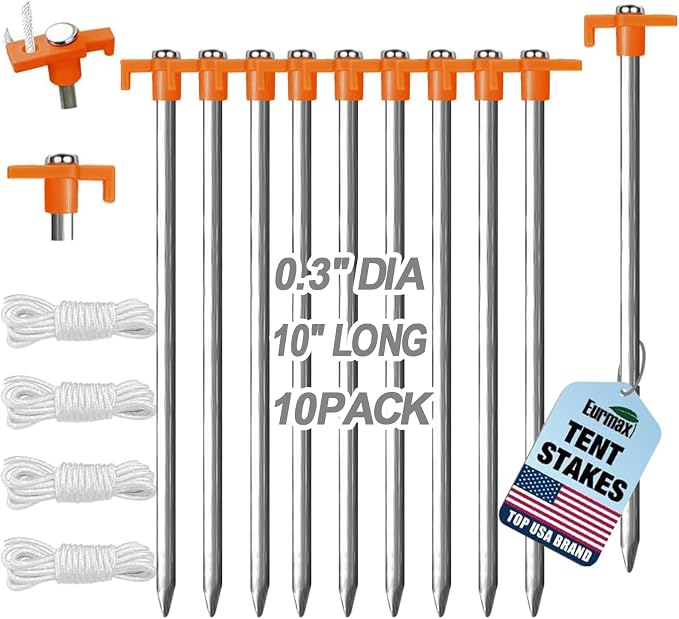
- Six to eight real stakes. The thin wire stakes that come with most tents pull straight out of a loaded tarp line. Steel or aluminum stakes with a hook hold.
- Anchors. Two trees 15 to 25 feet apart, two adjustable tarp poles, or a tree on one end and your car's roof rack on the other.
Three knots do almost all the work
You do not need to be a sailor. Three knots cover nearly every family tarp pitch, and all three are worth practicing on a chair leg at home before the trip.
- Bowline makes a fixed loop that will not slip or jam. Use it to tie the first end of the ridgeline around a tree, and to tie guylines to the tarp's corner loops.
- Trucker's hitch works like a simple pulley so you can pull the ridgeline drum-tight, then lock it off. This is the knot that keeps a tarp from sagging in the middle, which is the root of most pooling problems.
- Taut-line hitch is an adjustable loop that slides to tighten and then holds under load. Tie it where each guyline meets its stake so you can snug lines up after rain without retying anything.
Kids around 8 and older can learn the taut-line hitch in an afternoon, and giving one kid the job of tightening every guyline after a shower is a good way to keep them out from under your feet.
The picnic table pitch, step by step
This is the pitch most families want: a covered kitchen and dining room over the campsite table. It takes about 15 minutes the first time and 5 once you have done it.
- Read the weather side. Look at which direction the wind and rain are coming from, or check the forecast. That side of the tarp is going to come down low.
- String the ridgeline. Tie one end to a tree or pole about 7 feet up with a bowline. Run the cord straight over the long axis of the table to the second anchor, and tension it with a trucker's hitch until it barely sags.
- Drape the tarp. Throw the tarp over the ridgeline so it hangs evenly on both sides. If your tarp has loops along its centerline, clip or tie them to the ridgeline so the tarp cannot slide.
- Pull the corners out. Tie a guyline to each corner and stake it out at roughly a 45 degree angle from the corner, in line with the seams. Pull the weather side down to about 3 or 4 feet off the ground. Leave the other side higher for headroom.
- Build in the runoff. Lower one end of the ridgeline a little, or drop one corner lower than the rest, so water has a single planned exit. Put that exit somewhere nobody walks and away from the tent door.
- Tension, then tension again. Snug every taut-line hitch until the fabric has no wrinkles or flat spots. Come back after the first hour of rain and do it again, because wet cord and wet fabric both stretch.
Our rainy camping trips guide covers the rest of a wet weekend, from the calls to make before you leave home to when it makes sense to pack up and go.
Other pitches worth knowing
The wind wall
On a cold, breezy fall day, the most useful tarp is not a roof at all. Stake one long edge of the tarp straight to the ground on the windward side, and lift the other edge 5 or 6 feet on a ridgeline or two poles. You get a lean-to that blocks wind from the stove and the table and still lets you see out. Our camping in high wind guide explains how to read the gust forecast and pick a sheltered site in the first place.
The tarp over the tent
An old tent with a tired rainfly gets another season out of a tarp rigged above it. Use the same ridgeline, run it over the long axis of the tent, and keep at least a foot of clearance between tarp and rainfly at the lowest point. The tarp must never touch the fly: anywhere the two meet, water wicks straight through. Let the tarp extend past the tent door so you can get in and out without dripping on the sleeping bags. Our best tent for camping in the rain guide covers when it is time to replace the tent instead.
No trees, no problem
Many campsites have the trees in the wrong place, or rules against tying to them. Two adjustable tarp poles, each held up by two guylines staked out in a V, can replace both trees. Backing the car up to one side of the site and tying off to the roof rack also works well, and gives you a dry path from the car to the table. If a freestanding pop-up canopy is already in your gear, it is quicker to set up than a tarp but much worse in wind; take it down the moment the breeze picks up.
See it done
Rain, wind, snow, and fire
- Rain. Slope beats everything. A steeper tarp sheds water faster and never pools. If a puddle starts to form, push it up and off from underneath with a broom handle or a gloved hand before it grows.
- Wind. Lower the windward edge, add guylines to the middle of each long side, and stake every line. Once sustained wind gets past about 25 mph, take the tarp down before it takes itself down. A big tarp in a gust pulls hard enough to rip out stakes and snap poles.
- Snow. Wet snow is heavy, and a flat tarp loaded with it will tear grommets or bend poles overnight. Pitch steeper than you would for rain, knock snow off before bed, or drop the tarp at night and re-rig it in the morning. Cold also makes cord and fabric stiffer, so tie knots with gloves off and warm hands, then put the gloves back on.
- Fire. Keep the campfire completely out from under the tarp and well downwind of it. Nylon and polyester tarps melt from rising heat and sparks long before they visibly burn. A propane stove under a high, well-ventilated tarp is fine; a fire ring is not. Our how to start a campfire guide covers where to build one safely.
Taking it down dry
Pull the stakes and guylines first, then lower the tarp off the ridgeline and shake it out. Untie the ridgeline last; a trucker's hitch and a bowline both come apart easily even after a night under load. If the tarp is wet when you leave, roll it loosely, keep it out of the bin with the sleeping bags, and hang it up to dry the day you get home. Our how to break camp guide covers packing up the rest of a wet campsite.
Frequently asked
What size tarp do I need over a campsite picnic table?
A 10x10 foot tarp is the practical minimum, and 12x12 or larger is better, so there is 2 to 3 feet of overhang past the benches when rain blows sideways. For cooking and sitting under the same tarp, something in the 10x16 to 12x17 foot range is comfortable. Larger tarps need more guylines and a lower windward side.
How high should a camping tarp be?
Run the ridgeline about 7 feet up over a picnic table so adults can stand under it. Drop the weather side to 3 or 4 feet and leave the other side higher. Over a tent, keep a foot or more of clearance so the tarp never touches the rainfly, even when it sags with rain.
Why does water pool on my tarp, and how do I stop it?
Water pools wherever the tarp is flat or sagging. Run a tight ridgeline under the center, tension every guyline, and drop one corner or edge lower so water has a single place to run off. Re-tighten after the first hour of rain, since wet cord and fabric stretch.
Can I tie a tarp to trees at a campground?
Often, but check the campground rules first, since some parks prohibit attaching anything to trees. Where it is allowed, use wide tree straps or pad the cord so it does not cut into the bark. If trees are off limits, use adjustable tarp poles or your car's roof rack as anchors.