Gear guide
Best Tent for Camping in the Rain
What actually keeps water out, why the number on the box isn't the whole story, and which tents hold up when the forecast turns.

By William Blacklock · Last updated April 2026

Quick picks for this trip


Hydrostatic head rating, explained without the jargon
Hydrostatic head measures how much water pressure a fabric can resist before it starts leaking, in millimeters. A 1000mm rating is the bare minimum - light drizzle only. 1500mm is the standard for most family tents and handles a real rainstorm. 2000mm and up is genuinely waterproof under sustained, heavy rain with people and gear inside pressing on the fabric.
The number matters less than where it's applied, though. A tent can advertise a high rating on the floor while the rainfly is rated lower, or not stated at all. Check both.
Fly coverage matters more than the rating
Most budget tents ship with a rainfly that only covers the roof - the mesh panels on the upper walls stay exposed. In light rain this is fine; the mesh sheds a quick shower. In steady rain, wind-driven water gets through the mesh and the tent gets wet from the sides in, no matter how good the roof fabric is.
A full-coverage fly runs all the way to the ground on every side. It costs more and takes slightly longer to pitch, but it's the single biggest factor in whether a tent stays dry in real weather. If a listing doesn't specify, assume roof-only coverage.
The floor matters as much as the roof
A bathtub floor - one that's a single piece of waterproof fabric running several inches up the sidewall before it meets the tent body - keeps pooling water at the base of the tent from seeping in under a seam. A flat floor with a seam at ground level is the most common leak point on cheap tents, especially on sloped or poorly-drained sites.
Combine a bathtub floor with a footprint or tarp cut to size, and ground moisture stops being a factor even in a site that puddles overnight.
Ventilation vs. staying dry
Sealing a tent up tight to keep rain out backfires - condensation from breathing and body heat collects on the inside of the fly and drips down, and it feels just as wet as a leak. The fix is mesh panels under the fly (not exposed to rain, but open to airflow) and cracked vents at the base and peak. A tent built for rain manages both problems at once; one built only to look waterproof on a spec sheet often doesn't.
Top picks for wet climates
Best budget pick: Coleman Sundome 4-Person
The Sundome's WeatherTec system - welded floor seams, inverted seams on the fly, and a rainfly that covers the door and windows - handles steady rain reliably at an entry-level price. It's rated for typical campground weather, not sustained multi-day storms.
Best for standing room in wet weather: CORE 6-Person Instant Cabin
CORE's H20 Block Technology pairs a 1200mm-rated body with a fully taped rainfly and sealed seams. The near-vertical walls mean less contact between wet gear and sloped fabric - a real advantage when you're stuck inside for a rainy afternoon with kids.
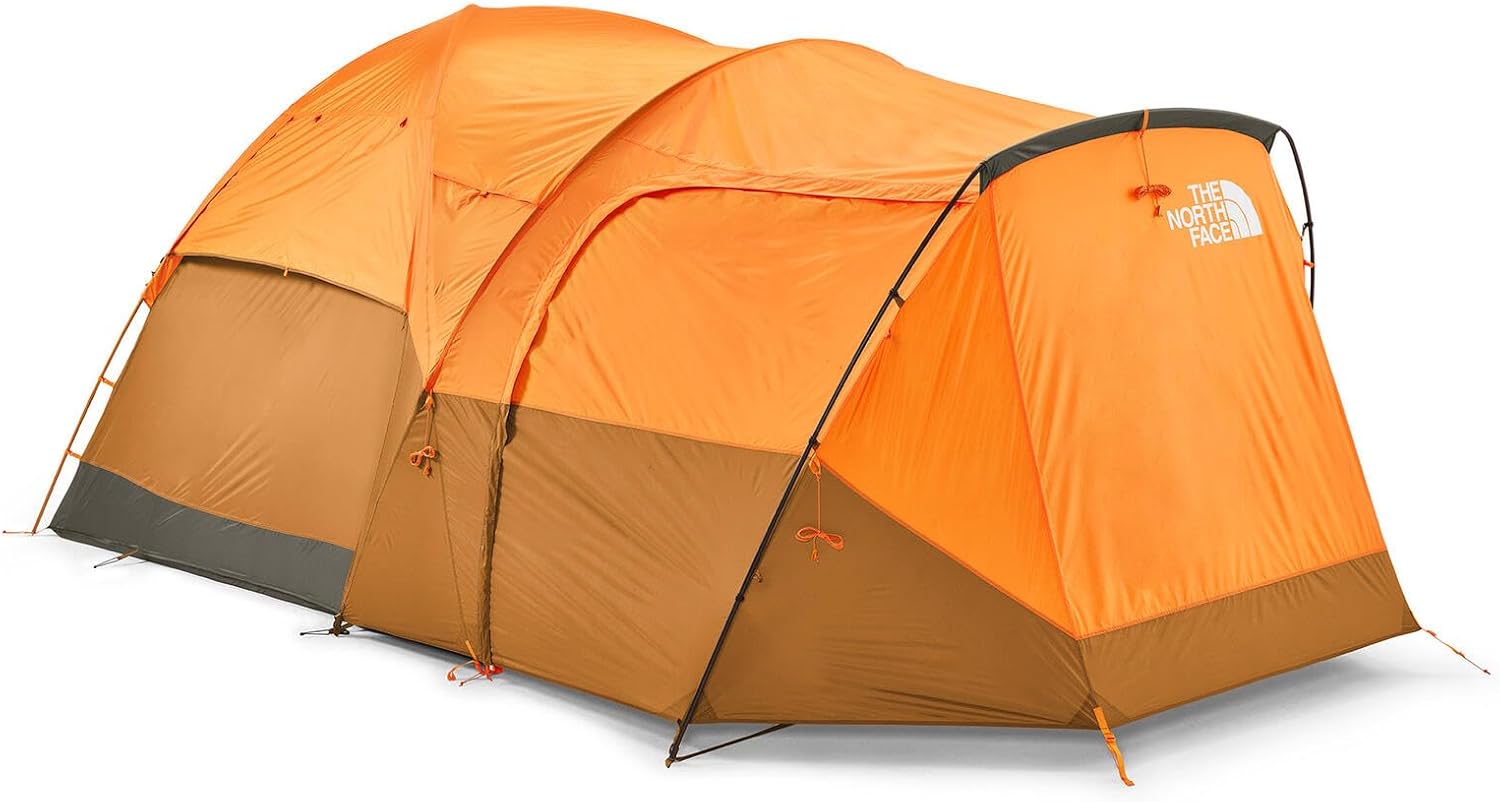
Best for genuinely wet regions: The North Face Wawona 6
The Wawona's oversized vestibule keeps a full day's gear dry outside the sleeping area, which matters more than it sounds like on a multi-day trip where everything is already damp. Built for serious weather, not just an afternoon shower.
What to avoid in wet conditions
- Tents advertised as “water-resistant” with no hydrostatic head number. If the listing doesn't specify a rating, assume it's low.
- Roof-only rainflies on a tent you know will see real rain. Fine for an occasional shower, not for a forecast with steady rain overnight.
- Clip-only pole attachment in storm-prone areas. Sleeves hold up better under sustained wind and rain than clips, which can pop loose.
- Single-wall tents for family car camping. They're built for weight-conscious backpacking, not for managing condensation with four people and gear inside.
Get the setup right and the tent matters less
Even the best tent leaks if the rainfly isn't staked and guyed out properly - see our rainfly and guylines skill for the setup that actually keeps water moving away from the tent instead of pooling against it. And if the rain outlasts the trip, our camping when the weather turns guide covers the bail-or-stay call.
Frequently asked
Is a 1500mm hydrostatic head rating waterproof enough?
For steady rain and typical campground storms, yes. For genuinely wet climates or multi-day rain, look for 2000mm or higher.
Do I need a footprint or tarp under the tent in the rain?
Yes. It stops ground moisture from wicking up through stake holes and protects the floor from punctures that become leaks later.
Can I add a tarp over a tent that leaks?
Yes, rigged above the rainfly without touching it. Contact between tarp and fly carries water down to the contact point and defeats the purpose.
Why does my tent get wet even with a rainfly on?
Usually roof-only fly coverage leaving wall mesh exposed, or condensation dripping from the inside of the fly. A full-coverage fly and cracked vents fix both.