Sleep
How to Get Kids to Sleep While Camping
Dark at 5pm, a nylon wall instead of a bedroom, and a floor that steals heat. Here is how to get a family to sleep in a tent, and what to do when one kid is still wide awake at 10pm.
By William Blacklock · Last updated November 2026



Why kids sleep badly in a tent
Home bedtimes work because everything is the same: the room, the sounds, the light, the temperature, the bed. A tent changes all of it at once. The ground is firmer and colder, the walls flap, other campers talk until 10pm, and the dark is darker than anything a child has seen. Add a bedtime that moved because the whole day was different, and a kid who slept perfectly in a bedroom can lie awake for two hours.
The good news is that the causes are few and mostly fixable. Work through them in this order: temperature, routine, light, sound, then comfort items.
Fix the cold first
Nothing else on this list matters if the child is cold. A chilly kid wakes up, cries, and cannot settle, and no amount of storytelling changes that. The ground is the biggest culprit, because it pulls heat out of a body faster than cold air does.
- Pad before bag. Every kid needs insulation under them, and a foam or insulated pad often matters more than the sleeping bag. Our sleeping pad R-value guide explains how much you need for the forecast low.
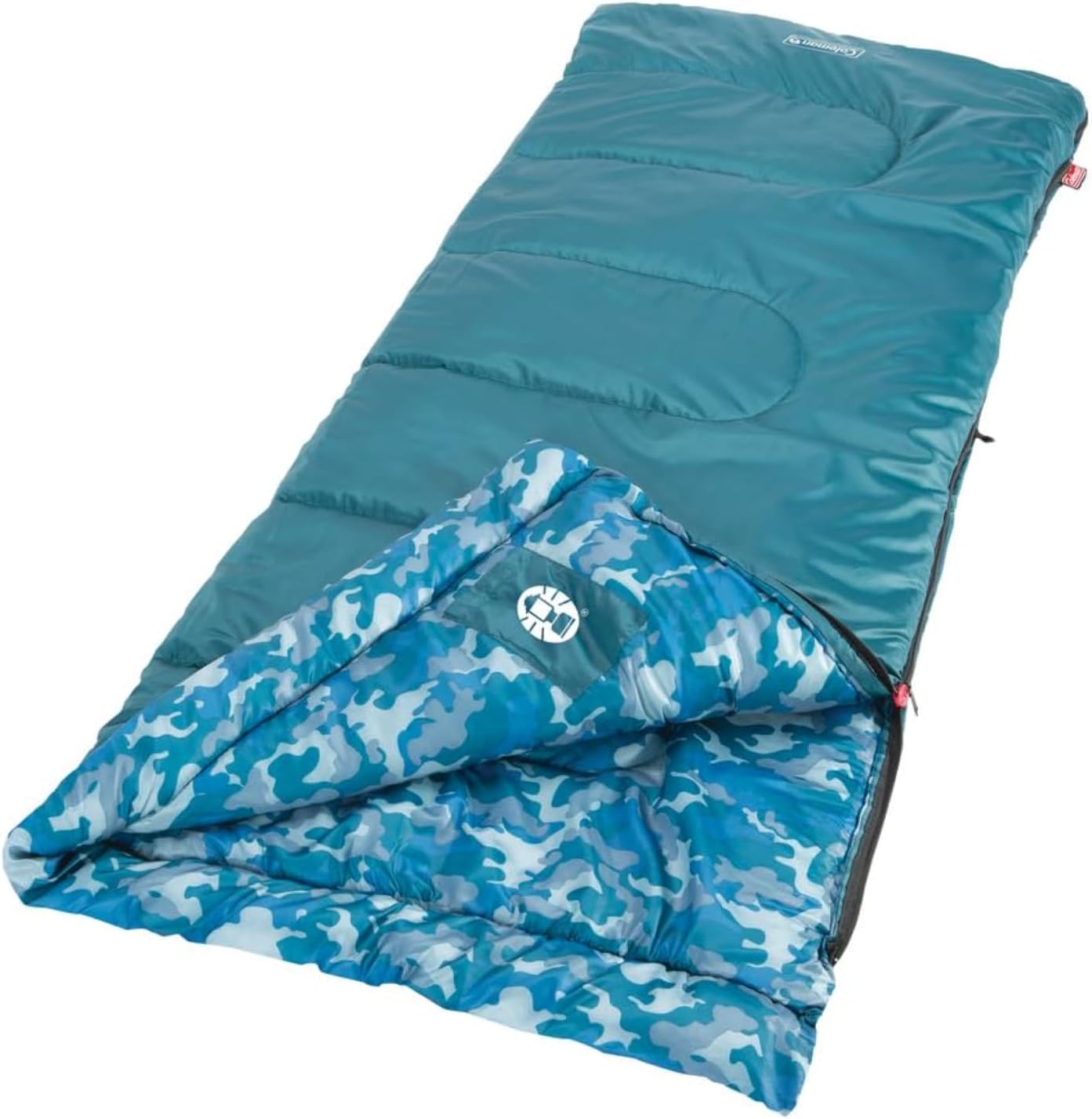
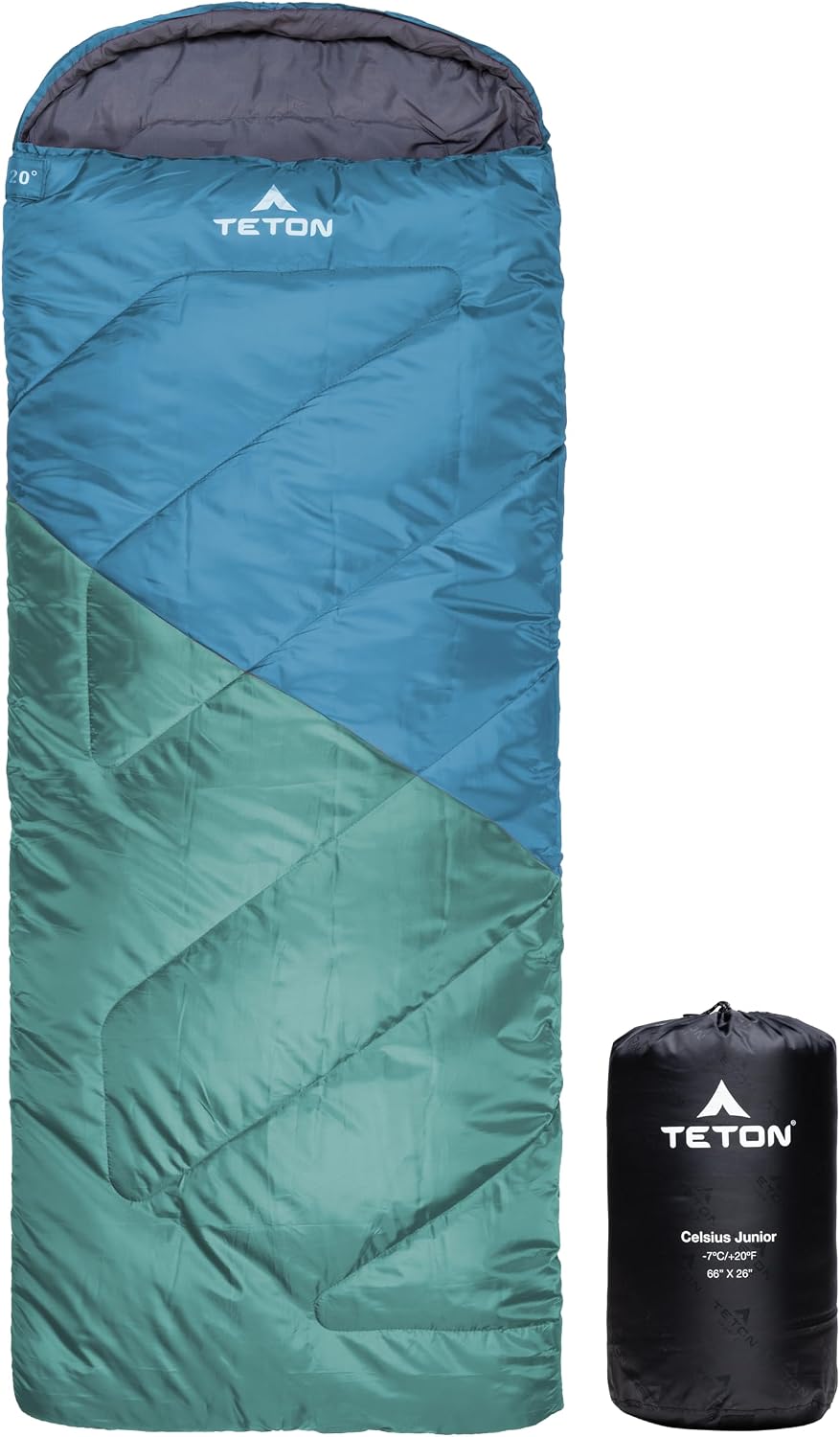
- Bag rated 10 degrees below the low. Kids lose heat faster than adults and do not tell you until it is bad. See the best sleeping bags for kids for what the ratings really mean.
- Dry base layers and a hat. Change out of anything damp from the day. Thermal underwear and a hat in the bag handle most of a cold night.
- No big puffy jacket inside the bag. It compresses and leaves cold gaps. Wear thin layers and let the bag do the work.
For the full layering system, read how to keep kids warm camping.
Keep the bedtime routine, not the bedtime clock
Dark arrives before 5pm in mid-November across much of the country, and it makes an 8pm bedtime feel absurdly far off. The instinct is to put kids to bed early. Resist it. A child who is not tired lies awake in a cold tent, gets bored, and gets wound up.
Instead, keep the same sequence they have at home, started at the usual time: a warm drink, teeth, pajamas, a book, lights out. The routine is the signal that sleep is coming, and it travels better than the bed does. Fill the long dark evening with a fire, cards, and a walk, and our guide to camping after dark with kids has a full rotation of activities for those hours.
- Do the active stuff early. Games and running around go before dinner or right after, not in the last hour.
- Change into sleep layers before the last activity. Nobody wants to undress in a cold tent at the end of a tired night.
- Make the last bathroom trip a group walk. Do it with headlamps, then straight into the tent.
Tame the light
A bright lantern inside the tent keeps kids alert, but total darkness frightens many of them. The middle path is a dim, warm light.
- Use red mode or a low setting. Red light keeps night vision and is far less stimulating than white.
- Leave a small light on all night. A lantern on its lowest setting prevents most 2am wake-ups. Do not turn it into a negotiation.
- Give each kid a headlamp of their own. Having a switch they control takes the fear out of the dark.
- Pitch the tent with the door away from the lantern post. Campground security lights and neighbors' fires can light a tent wall from outside.
Handle the noise
Tent sleep is never quiet. Wind snaps the rainfly, a car door slams at 9pm, and an owl starts up at midnight. Kids who are anxious about sounds usually sleep better once the sounds have names.
- Name the sounds before bed. Ten minutes of listening, then say what each one is.
- Pick a protected pitch. A site with trees or a berm cuts wind, and a site away from the road and bathhouse cuts foot traffic.
- Tighten the rainfly. A flapping fly is the loudest thing in a campsite and the easiest to fix with a few guylines.
- Quiet hours exist. Most campgrounds enforce 10pm, so a loud neighbor is worth a polite word with the host.
Bring comfort from home
A familiar object does more than any gadget. Pack the stuffed animal, the pillow from their own bed, and the book you read every night. A pillowcase from home with a familiar smell helps a lot. For toddlers, a wearable blanket removes the problem of kicked-off covers, and our camping with toddlers guide covers the rest of the little-kid setup.
Practice before the trip
If a child has never slept anywhere but their own bed, the first tent night is a lot to ask. A backyard camping night lets them meet the sleeping bag, the pad, and the dark with a back door nearby. For a family's real first trip, the first night camping guide sets realistic expectations: a rough first night is normal, and the second is usually far better.
When a kid wakes up at 2am
It will happen. The goal is a short, calm, boring response so everyone falls back asleep fast.
- Use a dim or red light, not a bright lantern.
- Check the basics: warm, dry, needs the bathroom, thirsty.
- Name the sound they heard and keep your voice low.
- Settle them back into the bag and stay for a couple of minutes.
- If they are truly frightened, bring them next to you and move on.
A kid in your bag at 2am is not a failure. It is a trade for everyone getting some sleep, and the next night usually goes better.
Frequently asked
Why won't my kid sleep when we go camping?
Usually cold, overtired, or thrown off by a changed routine. Check the sleep setup first, keep the home bedtime routine, then address light and sound. Most kids settle by the second night.
What time should kids go to bed when camping?
Their normal bedtime, within about 30 minutes. Early darkness makes it tempting to go earlier, but kids who are not tired lie awake and get wound up. Fill the evening and start the routine at the usual time.
How do I keep my child warm enough to sleep in a tent?
Insulate from below with a pad, use a bag rated 10 degrees below the forecast low, and dress them in dry base layers and a hat. Skip bulky jackets inside the bag.
What do I do when my child wakes up scared in the night?
Keep it calm and boring: dim light, check the basics, name the sound, and settle them back in. A small light on all night prevents most wake-ups. If they are truly scared, bring them next to you.