Skills
Hiking With Kids From Camp
Picking a trail that fits their age and pace, the pack that covers you if the weather or the mood turns, and what to do if a marker goes missing.
By William Blacklock · Last updated October 2026

Quick picks for this trip
Picking a trail that fits the group
The trail that matters is the one the youngest hiker can finish without a meltdown, not the one with the best view. As a rough planning number, a 4-year-old covers around a mile an hour with normal breaks, while an 8-year-old can often do 2-3 - and both numbers assume regular stops, not a steady march. Pick a loop or out-and-back well under what the group could technically manage, check current trail conditions at the trailhead board or ranger station before you start, and leave word with someone - a campground host, a tentmate - about which trail you took and when you expect back.
If you're still choosing a campsite with day hikes in mind, how to choose a family campsite covers what else to weigh beyond trail access.
The day pack, even for a short loop
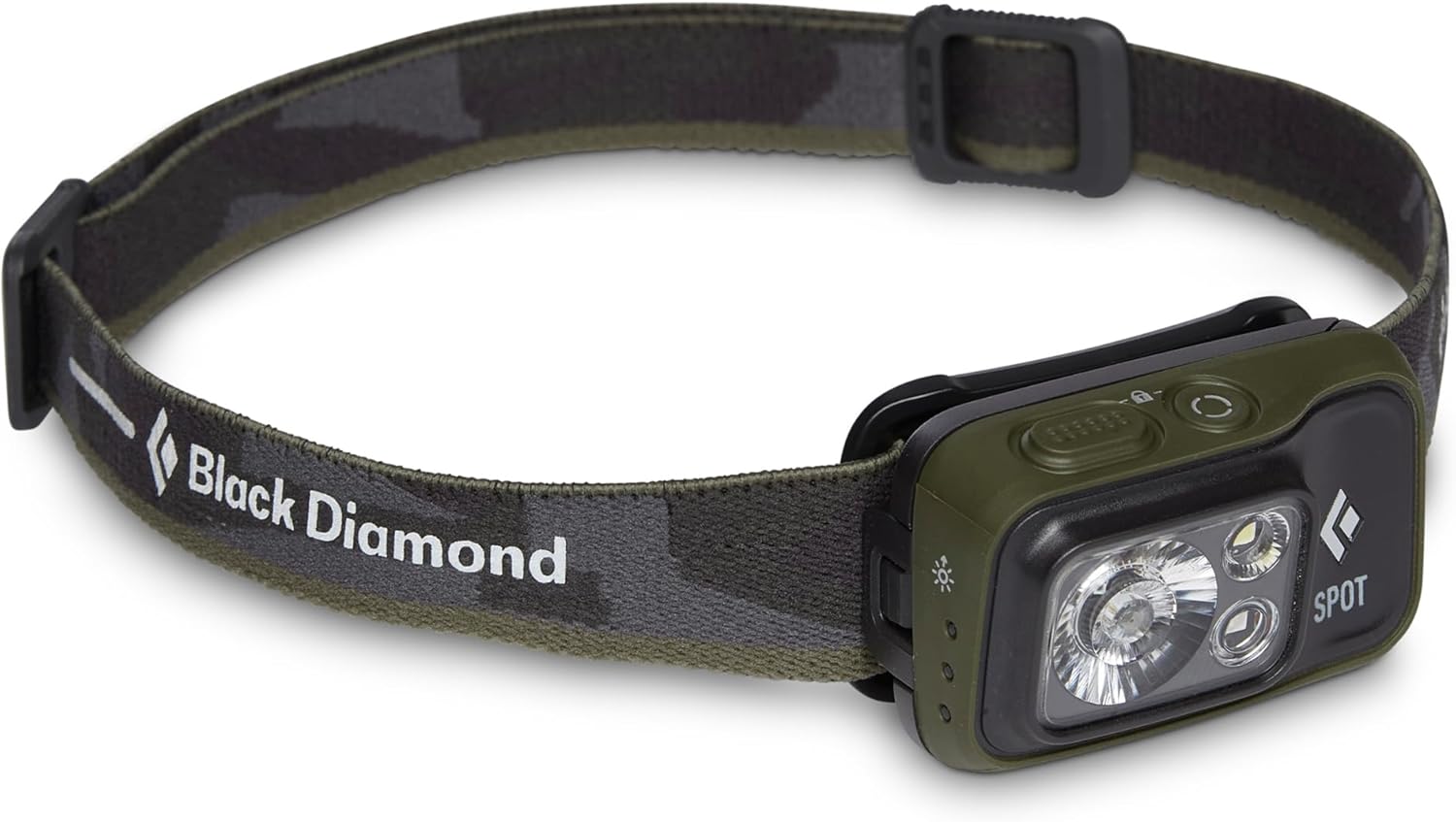
Ten things go in the pack on every hike, short or long, because weather and moods both change faster than a forecast: water, snacks, a map or a downloaded offline route, a headlamp, a first-aid kit, a rain shell, an extra layer, sun protection, and a whistle. Pack water low against your back, layers next, and anything you'll reach for on the move - snacks, the map, the first-aid kit - in the top pocket where it doesn't require unpacking the whole bag. The full packing order and the case for each item is in day hike essentials.
Snack on a schedule - every 30-45 minutes, whether or not anyone says they're hungry. Most “I'm tired” complaints from kids on trail are blood sugar, not actual fatigue, and catching it early heads off the meltdown instead of treating it.
Setting the pace and keeping it fun
Let the youngest hiker set the pace in both directions, give each kid a job - trail-marker spotter, stream-crossing counter, bridge-finder - and set a turn-around time instead of a destination so nobody's negotiating about how much farther. The full set of pacing and engagement techniques, including why the return leg almost always goes faster with no cajoling needed, is in hiking with kids.
Following the trail
A painted blaze or a stacked cairn is the trail telling you it's still there - a single mark means keep going straight, two stacked marks mean a turn is coming. Spotting the next one is a genuinely good kid job, not busywork - it keeps eyes on the trail instead of just on the person ahead. If five minutes pass with no marker in sight, stop and backtrack to the last one rather than pushing on and hoping. The full rundown of blazes, cairns, and what to do at an unmarked junction is in reading trail markers.
Sharing the trail
A few rules keep a trail pleasant for your group and everyone else on it: uphill hikers get the right of way over downhill ones, step fully off trail (downhill side) for horses, hike single file on narrow stretches, and pack out every wrapper. Teaching kids these before they meet another group on a blind corner beats explaining them in the moment. The full list, including why it's the opposite of what feels polite in a couple of cases, is in trail etiquette.
Blisters: catch the hot spot, not the blister
Cotton socks and loose heels cause most kid blisters on a first few hikes. Moisture-wicking socks and a snug heel lock in the laces prevent most of it; taping a hot spot the moment someone feels warmth or rubbing - before it becomes a blister - prevents the rest. If one forms anyway and the skin is still intact, leave it covered rather than popping it. The full prevention and treatment steps are in blister prevention and treatment.
Trekking poles: optional for most camp day hikes
For a short, mostly flat loop from camp, trekking poles are nice-to-have at best. They genuinely help on a hike with real elevation loss, where correctly sized poles take a real share of the impact off tired knees on the way down - see trekking poles if your trail has meaningful descent.
If someone gets separated or the trail disappears
The rule is the same whether it's the trail that's gone missing or a hiker: stop, don't push forward or cut cross-country to try to find your way back, and backtrack to the last point you're sure of. Before you set out, give kids old enough to understand it a simple version of the same rule for themselves: if you notice you're alone, stop and stay where you are rather than wandering to find the group - it's far easier for searchers to find a stationary kid than a moving one. Pack the first-aid kit and whistle from the essentials list above either way; see camping first aid kit for families for what else is worth carrying.
Common first-hike mistakes
- Planning the distance around the adults. A trail sized for a fit adult and sized for a 5-year-old are rarely the same trail - plan around the slowest member of the group from the start.
- Saving snacks for when kids “really” need them. By the time a kid asks for a snack, the energy dip already happened. Snack on a clock, not on request.
- Skipping the rain shell on a clear morning. Mountain and forest weather both turn faster than it looks from the trailhead.
- Cotton socks. They hold moisture against skin and are the single biggest cause of avoidable blisters on a first hike.
- Not telling anyone the route. A quick word to a campground neighbor or host about which trail and when you expect back costs nothing and matters a lot if it doesn't go to plan.
Where this fits in the larger plan
A short day hike pairs naturally with a site chosen with trail access in mind - see how to choose a family campsite if that's still open, or take the 5-second quiz for a full trip plan built around your dates and your kids' ages.
Frequently asked
How far can a kid actually hike?
Plan around the youngest hiker - roughly a mile an hour with breaks for a 4-year-old, 2-3 miles an hour for an 8-year-old, both before stops.
What actually goes in the day pack?
Water, snacks, a map, a headlamp, a first-aid kit, a rain shell, an extra layer, sun protection, and a whistle - even for a short loop.
What if a kid gets a blister mid-hike?
Tape a hot spot the moment it's felt, before it becomes a blister. Leave an intact blister covered rather than popping it.
What if someone gets separated or the trail disappears?
Stop, don't push forward or bushwhack, and backtrack to the last point you're sure of - the same rule either way.
Do we need trekking poles?
Not for a short, flat loop. They help most on a hike with real descent.