Fall trips
Fall Foliage Camping With Kids
A leaf-peeping camping weekend is the easiest sell of the year to a kid and the hardest reservation to get. Here is when color actually peaks, how to track it, and how to build the trip around it.

By William Blacklock · Last updated September 2026


Peak color is a moving front, not a date
The thing that trips up most first foliage trips is booking a weekend because it sounds like the right one. Color is driven by shortening days first, and then modified by temperature and rainfall, which means the timing shifts year to year and the front sweeps south and downhill over about six weeks.
The rough regional windows, useful for picking a weekend six months out:
- Late September to the first days of October. Northern Maine, the northern Adirondacks, the Green and White Mountains at elevation, northern Minnesota, Michigan's Upper Peninsula, and the high country in Colorado and Wyoming, where aspens run early and short.
- The second week of October. Most of New England below the mountains, the Catskills, the Poconos, upstate New York, Wisconsin, and northern Pennsylvania.
- Mid-October to early November. The Great Smoky Mountains, the Blue Ridge, southern Pennsylvania and Maryland, the Ozarks, and the Virginias. This is the longest and most forgiving window in the country, because the elevation range is so wide.
- Early to mid-November. The Deep South, the Texas Hill Country, and the low-elevation mid-Atlantic. Later and subtler, but it is real color and the camping weather is superb.
If you are picking a first foliage trip, the Appalachian window is the most forgiving one on that list. See camping in the Appalachians for beginners for the bear and tick disciplines that come with it, and camping in the Northeast for beginners if you are chasing the earlier New England window instead.
Elevation beats latitude at the campground scale
Once you have the region, elevation decides your actual weekend. Color starts on the ridgelines and works down, dropping on the order of 500 to 1,000 feet a week. In a place like Great Smoky Mountains National Park, that means the 6,000-foot crest can be bare while a 2,000-foot campground has barely begun.
The practical version of that: you do not need to move the trip when the timing looks off, you need to move your elevation. If you arrive and the ridge is past peak, spend the day low, along a river or in the valley. If the valley is still green, drive up. A single campground in mountain country usually sits within a 3,000-foot swing of both, which is two or three weeks of color in one day of driving.
Track the color, not the prediction map
The national prediction maps that circulate in August are entertainment. The sources worth checking are the ones that update weekly during the season:
- Your state's official fall color report. Most northern and Appalachian states run one through the state tourism office or the state parks agency, updated once a week, often with a region-by-region percentage.
- The park's own current-conditions page. The National Park Service posts foliage status for the parks people specifically drive for, including Great Smoky Mountains, Shenandoah, and Acadia.
- Recent photos, not stock photos. A search sorted by date for the specific park or scenic road, from the last seven days, is the fastest honest read available.
Check the week of your trip, not the month before. And accept the built-in truth of leaf peeping: a hard wind or a heavy rain three days before you arrive can strip a hillside, and nobody sees that coming. Build a trip you would still enjoy at 60 percent color.
Foliage Saturdays are the hardest booking of the year
Outside the summer holidays, a peak-color Saturday in New England, the Smokies, or the upper Midwest is the single most competitive campground night on the calendar. Federal campgrounds release sites on a rolling six-month window, so a mid-October Saturday goes on sale in mid-April and the famous ones are gone that morning. State systems run anywhere from six to eleven months out.
If you are reading this in September for this October, that ship has largely sailed at the headline destinations. What still works:
- Midweek. A Tuesday night in peak color is often wide open at a campground that has been sold out on Saturdays since April, and the scenic roads are genuinely pleasant instead of bumper to bumper.
- One valley over. The state park 40 minutes from the famous national park sees a fraction of the demand and roughly the same trees.
- Cancellation alerts. Foliage weekends generate real cancellation churn in the two weeks before, because people booked six months ago on a guess.
- Shoulder the shoulder. The weekend after peak in the mountains is the weekend of peak in the valleys. Same trip, a tenth of the competition.
The mechanics of the booking window, the morning release time, and what to do when nothing shows availability are covered in recreation.gov reservation strategy. If you end up choosing between two sites that are both available, how to choose a family campsite covers what actually matters with kids.
Make the leaves the activity, not the backdrop
Adults will look at a hillside for twenty minutes. A seven-year-old will look at it for about nine seconds. The trip works when the color becomes something kids do rather than something they are told to admire.
- A collection with a rule. One leaf of every color, or the biggest leaf of the day, or one of each shape. A rule turns a walk into a hunt. Press the results between two paper towels inside a book on the drive home.
- Name three trees. Sugar maple goes orange and red, oaks go bronze and hold their leaves the longest, birch and aspen go clean yellow. Three names is enough to make a kid an expert at the picnic table, and a pocket tree guide turns the walk into a genuine identification game.
- Leaf rubbings at camp. Paper over a leaf, crayon on its side. It is the single best rainy-afternoon activity in the fall and it costs nothing.
- The short scenic drive, not the long one. Pick one overlook and one short trail rather than a four-hour parkway loop. Peak weekends turn scenic roads into slow traffic, and a car-bound kid does not care how good the view is.
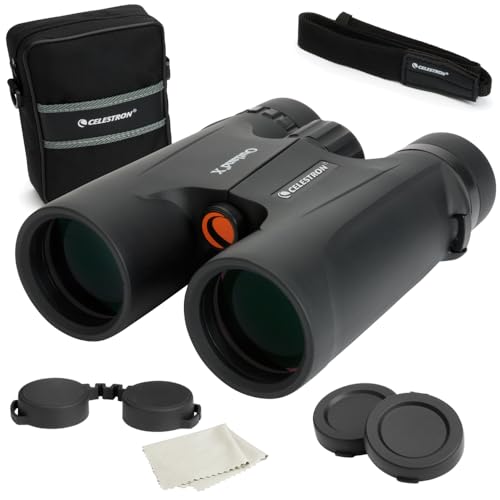
- Binoculars. Fall is when the leaves come off and the nests, woodpeckers, and ridgelines become visible. Binoculars give kids a reason to look up.
The night is colder than the photos suggest
Peak color and the first hard frost are close cousins, because the same cold nights drive both. A campground that hits 65 degrees on a golden afternoon can drop into the 30s overnight, and the ground pulls more heat out of a sleeper than the air does, so an insulated pad matters as much as the bag rating. A 40-degree summer bag on a 35-degree night is the most common regret of a first fall trip.
Sunset is the other thing that changes. By mid-October, most of the country loses daylight around 6:30pm, and after the November time change it is closer to 5pm. Arrive early enough to pitch the tent in daylight, plan a one-pot dinner, and give every kid their own headlamp. The full seasonal packing and technique list is in fall camping for beginners, and if your foliage weekend happens to land on a campground event weekend, see Halloween camping with kids, which runs in mid-October for exactly the same reason.
A weekend that works
The shape that holds up with kids on a peak-color weekend, assuming a Friday arrival:
- Friday. Arrive with at least 90 minutes of daylight left. Tent up, headlamps distributed, a dinner that is one pot and one pan. Fire, and bed earlier than you think.
- Saturday morning. The high overlook, early, before the scenic road fills. This is the one drive of the trip.
- Saturday afternoon. Back at camp, low effort. Leaf hunt, rubbings, around the campground rather than in the car.
- Sunday. A short trail near the campground, then break camp. Fall mornings are cold and slow, so budget more teardown time than a summer trip needs.
Frequently asked
When is peak fall foliage for camping?
Late September into early October for northern Maine, the Adirondacks, northern Minnesota, and the Upper Peninsula. The second week of October for most of New England, the Catskills, and the Poconos. Mid-October into early November for the Smokies, the Blue Ridge, and the Ozarks, and later still for the low country. Within any region, ridgelines turn one to three weeks before the valleys.
How far ahead do you need to book a foliage camping weekend?
Six months for federal campgrounds, and up to eleven months in some state systems. Inside six weeks, the realistic plays are midweek nights, cancellation alerts, a campground one valley over from the famous one, and private campgrounds.
How do you find out where the color actually is right now?
Your state's weekly fall color report, the National Park Service current-conditions page for the park you are headed to, and date-sorted photos from the last seven days. Check the week of the trip and adjust your elevation rather than moving the dates.
Is a foliage weekend a good first camping trip for a family?
Better as a second or third trip. A cold night, a packed campground, and an early sunset is a lot to stack on a family still working out the basics. Run a backyard test on a cold night first.