Wisconsin
Camping in Wisconsin for Beginners
Fifteen thousand lakes, a state park system people book eleven months out, and a tick problem worth taking seriously.
By William Blacklock · Last updated April 2026


What camping in Wisconsin is actually like
- Water is the whole point. Roughly 15,000 lakes plus Great Lakes shoreline on two sides. Nearly every campground worth booking is on or near water.
- Two halves. Southern Wisconsin is rolling farmland, driftless bluffs, and kettle moraine hills within easy reach of Madison, Milwaukee, and Chicago. The Northwoods is pine, birch, and small lakes, quieter and colder.
- Small state, short drives. Almost everyone in Wisconsin lives within two hours of a good state park, which makes it one of the easier states for a first trip.
- Beginner focus: a state park on a lake, booked early, in August or September, with a swimming beach to anchor the afternoon.
What's different about camping in Wisconsin
The booking window is the hard part
- Reservations open 11 months ahead at wisconsin.goingtocamp.com, with inventory released at 9:00 a.m. Central.
- Devils Lake is the busiest park in the state. Its summer weekends are gone the morning they become available.
- Peninsula State Park in Door County is close behind, especially for waterfront loops.
- The pressure drops sharply for midweek nights, for September, and for Northwoods and national forest campgrounds.
- Cancellations churn constantly. If you missed the window, check daily in the two weeks before your dates.
Ticks are the health risk, not the bears
- Wisconsin is among the higher-incidence Lyme disease states, and blacklegged ticks are widespread, especially in the west and north.
- Nymphs are the dangerous stage: poppy-seed sized and most active May through July.
- Permethrin on pants, socks, and shirts a day before you leave. Picaridin or DEET on skin.
- Full-body check every evening on everyone, scalp and waistband included. Check the dog before it gets in the tent.
Northwoods nights are cold and the bugs come first
- Overnight lows in the 40s are normal in northern Wisconsin through the summer. A summer-weight bag is not enough.
- Black flies run May into June up north, then mosquitoes take over through July, heaviest near wetlands and small lakes.
- A screen house over the picnic table is the highest-value piece of gear for an early-summer Northwoods trip.
- Lake Superior water stays cold all summer. Lake Michigan is warmer but still bracing. Plan around wading, not swimming, up north.
Two fees, not one
- The vehicle admission sticker is required to enter a state park or forest and is separate from your campsite fee.
- Daily or annual, with lower rates for Wisconsin plates. Buy in advance or at the gate.
- Buy firewood at or near the campground. Wisconsin restricts how far untreated firewood can be moved onto state land to slow the emerald ash borer.

Best setup for your first trip in Wisconsin
Three beginner trip types that work here, mapped to plans on this site. Pick the smallest one you have not done yet, or take the 5-second quiz and we will match one to your dates and party size. Because the booking window is the real obstacle, read the reservation strategy guide before your date opens.
- Backyard Test. One night at home to find the gaps. Worth doing on a cool night specifically, because a Wisconsin overnight low is what most first-timers underestimate.
- First Night Camp. One night, one car, a state park within two hours. Governor Dodge, the Kettle Moraine units, or Willow River are forgiving southern options with showers and a beach.
- Easy Family Basecamp. Two nights on a lake with a swimming beach as the daily anchor. Devils Lake or Peninsula if you won the booking race, a Northern Highland-American Legion lake campground if you did not.
Where beginners should look
Wisconsin state parks and forests
The state park system is the default first trip. Devils Lake near Baraboo is the flagship: 500-foot quartzite bluffs, two swimming beaches, and the hardest reservation in Wisconsin. Peninsula State Park in Door County has shoreline campsites, bike trails, and a lighthouse. Governor Dodge in the driftless area has two lakes and waterfalls. The Kettle Moraine units, north and south, are the closest good camping to Milwaukee and Chicago. Up north, the Northern Highland-American Legion State Forest is the sleeper pick, with dozens of small lake campgrounds and a fraction of the competition. Park details are at dnr.wisconsin.gov and bookings run through wisconsin.goingtocamp.com.
Chequamegon-Nicolet National Forest
The national forest covers a large part of northern Wisconsin and is the answer when the state parks are full. Developed campgrounds are low-cost and booked on recreation.gov or available first-come, and dispersed camping is free across most of the forest. Facilities are simpler than the state parks, which makes it a natural trip two. County forest campgrounds across the north are a similar and even more overlooked option.
Apostle Islands and the Lake Superior shore
Apostle Islands National Lakeshore off Bayfield is the marquee Wisconsin trip and the most logistically involved: island campsites reached by water taxi or your own boat, permits through the Park Service, and genuinely cold, serious water. Details are at nps.gov/apis. For the scenery without the boat, Copper Falls State Park and Big Bay State Park on Madeline Island, which you reach by car ferry, are far more forgiving.

What to bring (for Wisconsin)
Start from a normal beginner packing list, then adjust:
Add
- A 20-30°F sleeping bag and an insulated pad. Northwoods lows in the 40s are routine all summer.
- Permethrin for clothing and fine-tipped tweezers in the first aid kit. The tick check is a nightly habit here.
- A screen house for June and July trips, especially anywhere north or near wetlands.
- A tarp for the picnic table. Wisconsin has no dry season and thunderstorms build fast in summer.
- Your vehicle admission sticker, or the cash to buy one at the gate.
- Firewood bought locally, not hauled from home.
- Water shoes. Most Wisconsin lake bottoms are rock or mucky sand, and kids will be in the water constantly.
Skip or downsize
- Large shade canopies. Rain and bug cover matter far more here than shade.
- Serious cooling gear. A small tent fan covers the handful of humid nights.
- Water filtration for a state park trip. Potable water is standard in developed campgrounds.
Common first-time mistakes in Wisconsin
- Trying to book Devils Lake in May for July. It went 11 months ago. Either set a calendar reminder for your window, watch cancellations daily, or pick a Northwoods or national forest campground instead.
- Skipping the tick check. Wisconsin is a high-incidence Lyme state and nymphs are the size of a poppy seed. Check everyone every evening, and check the dog before it gets in the tent.
- Camping the Northwoods in June with no bug plan. Black flies and mosquitoes together will end the evening at 7pm. Screen house, permethrin, or a later date.
- Forgetting the vehicle sticker. It is a separate fee from the campsite and required for entry. Buy it ahead or at the gate.
- Packing summer-weight bags for a northern lake. A 45°F night on a lake in August is normal, and the water makes it feel colder. Bring the warmer bag.
Simple gear setup for Wisconsin
A working starter kit calibrated for Wisconsin: cold nights, heavy early-summer bugs, and steady rain.
- Tent. Coleman Sundome 4-Person (~$68). Mesh inner for the bugs, full fly for the rain. Pitch on high ground, not the flat spot.
- Sleeping bag. Coleman Brazos Sleeping Bag (~$40). Rated into the 30s, which is the right range for a Northwoods summer night.
- Sleeping pad. Big Agnes Divide UnInsulated Pad (~$100). Insulated. Ground temperature is what actually makes people cold.
- Rain cover. GEERTOP 17×10 ft Camping Tarp (~$40). Over the picnic table on arrival, before the tent goes up.
- Stove. Coleman Triton+ 2-Burner Propane Stove (~$85). Two burners for a cold Northwoods morning.
- Cooler. Coleman Classic Rolling Cooler 100QT (~$107). Wheels help on the long walk-in loops at the bigger parks.
- First aid. Gevoke 410-Piece First Aid Kit (~$40). Add fine-tipped tweezers specifically for ticks.
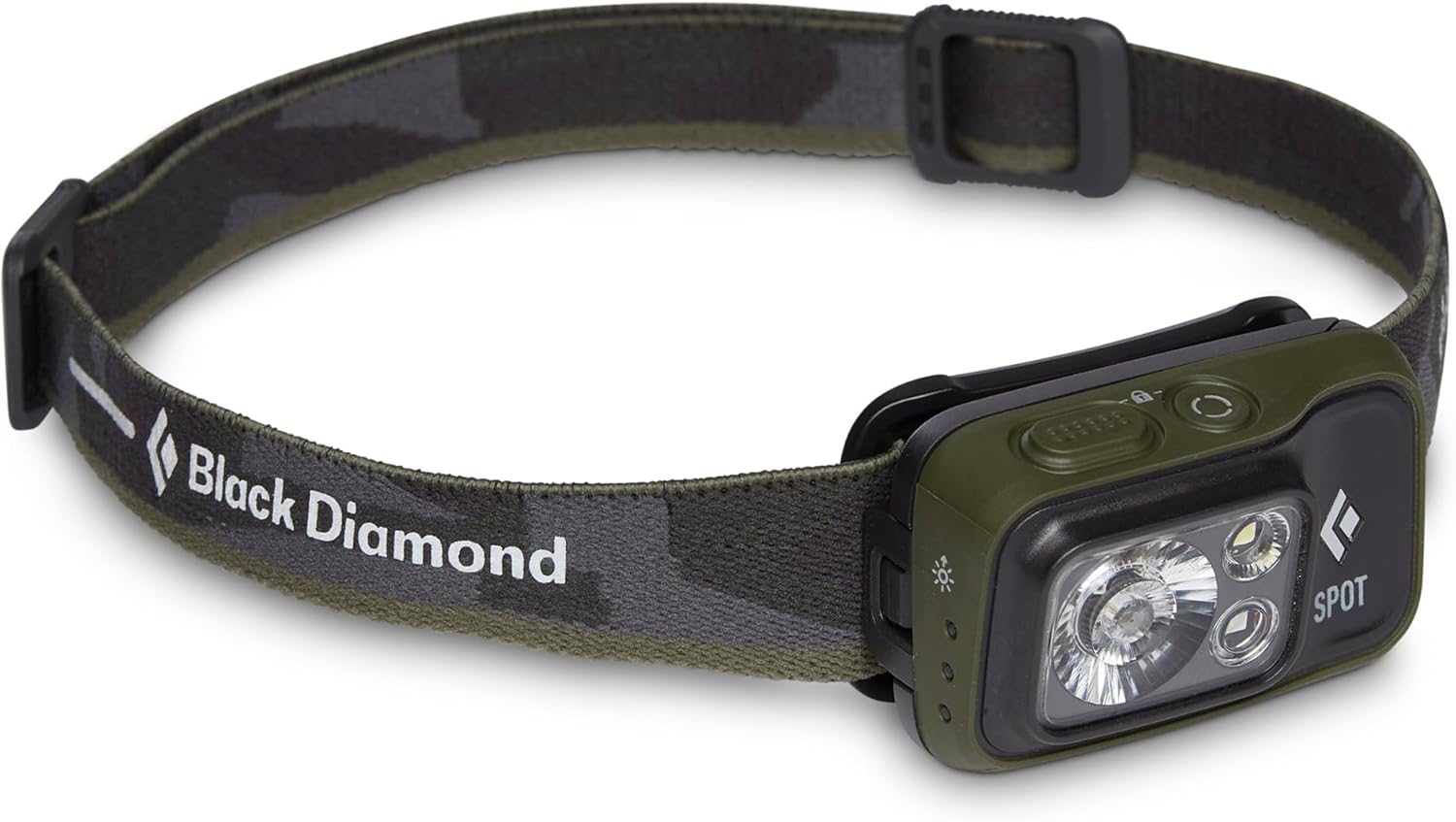
- Headlamp. Black Diamond Spot 400 Headlamp (~$60). One per person, and the light you run the evening tick check by.
Frequently asked
When is the best time to camp in Wisconsin?
Late July through September. August is warm and reliable, and September is the best month of the year here: warm afternoons, cold nights, no bugs, and sudden campsite availability.
How far ahead do I need to book?
Up to 11 months at wisconsin.goingtocamp.com, with inventory released at 9:00 a.m. Central. Devils Lake and Peninsula summer weekends go the morning they open. Northwoods and national forest sites are much easier.
Do I need a vehicle sticker?
Yes, for state parks and forests, and it is charged separately from the campsite. Daily or annual, cheaper for Wisconsin-plated vehicles, available in advance or at the gate.
Where should a Wisconsin first-timer camp?
A state park on a lake within two hours of home. Devils Lake or Peninsula if you can get them, Governor Dodge or the Kettle Moraine units close to the cities, or a Northern Highland-American Legion lake campground for less competition.
How bad are ticks and mosquitoes?
Both matter. Wisconsin is a high-incidence Lyme state with nymphal ticks active May through July, and mosquitoes are heaviest in June and July up north. Permethrin-treated clothing, repellent on skin, and a nightly full-body check.
Can I camp for free in Wisconsin?
Yes, dispersed camping is allowed across most of the Chequamegon-Nicolet National Forest. No water, no toilets, so treat it as a second or third trip. County forest campgrounds are another cheap and overlooked option.