Michigan
Camping in Michigan for Beginners
Freshwater coastline, a genuinely wild Upper Peninsula, serious bugs, and the most competitive campsite reservations in the Midwest.
By William Blacklock · Last updated April 2026


What camping in Michigan is actually like
- It is a coastal state without an ocean. Michigan touches four of the five Great Lakes and has more freshwater shoreline than any other state. Most of the best campgrounds are on water.
- Two states in one. The Lower Peninsula is farmland, dunes, and resort towns. The Upper Peninsula is boreal forest, waterfalls, and long empty highways. Detroit to Munising is a six-hour drive.
- Big, well-run park system. Michigan DNR operates roughly 100 state parks and recreation areas plus a large network of rustic state forest campgrounds.
- Beginner focus: a modern state park campground on the shoreline, booked the day the window opens, in August or September.
What's different about camping in Michigan
The reservation race is the real skill
- Michigan DNR opens bookings six months to the day in advance at midnrreservations.com. Set an alarm.
- Sleeping Bear Dunes area sites, Ludington, Wilderness State Park, and the Porcupine Mountains go first for July and August Saturdays.
- Cancellations are constant. If you missed the window, check the site every few days in the two weeks before your dates.
- Weekdays and anything after Labor Day are dramatically easier. A Tuesday in September at a park that is impossible in July is often wide open.
Bug pressure is heavier than most people expect
- Black flies run late May into June, mosquitoes take over through July, and stable flies bite ankles on the Lake Michigan beaches in midsummer.
- The Upper Peninsula is worse than the Lower, and anywhere near standing water or wet forest is worse still.
- Treat clothing with permethrin a full day before the trip, use picaridin or DEET on skin, and put a screen house over the picnic table.
- After the first hard frosts in September it stops completely. This is a large part of why experienced Michigan campers love fall.
Great Lakes water is cold and the currents are real
- Lake Superior often stays in the 50s and low 60s through August. Lake Michigan reaches the low to mid 70s on the southern shore and stays colder up north.
- Rip currents and structural currents near piers and breakwalls cause drownings every summer. Check the beach flag and the NOAA swim risk forecast before letting kids in.
- Cold water plus a windy day is genuine hypothermia territory for paddlers. Dress for the water temperature, not the air.
Weather changes fast on the shoreline
- Onshore wind can drop the temperature 20 degrees in an hour and make a beachfront tent site miserable.
- Stake and guy out everything. Dune and shoreline sites take steady wind, and sand holds standard stakes poorly.
- Overnight lows in the 40s are normal in the Upper Peninsula in July and August. A summer-weight bag is not enough.

Best setup for your first trip in Michigan
Three beginner trip types that work here, mapped to plans on this site. Pick the smallest one you have not done yet, or take the 5-second quiz and we will match one to your dates and party size. Because booking is the hard part, read the reservation strategy guide before your date window opens.
- Backyard Test. Do this on a cool night. Michigan overnight lows in the 40s are the thing most first-timers get wrong, and you would rather find out about your sleeping bag at home than at Tahquamenon Falls.
- First Night Camp. One night, one car, a modern state park campground within two hours of home. Electric site, showers, and a beach. Ludington, Traverse City State Park, and Holland State Park all fit for the Lower Peninsula.
- Easy Family Basecamp. Two nights at Tahquamenon Falls, Wilderness State Park, or Ludington, with a waterfall or a beach as the daily anchor. Drive Friday, out Sunday.
Where beginners should look
Michigan DNR state parks
Modern state park campgrounds are the easiest first trip in the state: electric sites, flush toilets, showers, and usually a beach. Ludington State Park on Lake Michigan is the flagship, with dunes, a lighthouse, and a river to paddle. Wilderness State Park near Mackinaw City is quieter with real dark skies. Tahquamenon Falls State Park is the friendliest introduction to the Upper Peninsula, built around two waterfalls with modern campgrounds at both ends. Porcupine Mountains Wilderness State Park is the biggest park in the system and the most rewarding, but it is a long drive and its best sites are rustic. Reserve everything at midnrreservations.com; park details are at michigan.gov/dnr.
Sleeping Bear Dunes and Pictured Rocks
These are the two National Park Service units, and they are booked separately. At Sleeping Bear Dunes National Lakeshore, Platte River Campground takes reservations on recreation.gov and D.H. Day is the smaller, more rustic option; both are among the hardest bookings in Michigan for summer weekends. Pictured Rocks National Lakeshore has no drive-in car campground inside the park boundary in the way people expect. Its backcountry sites along the Lakeshore Trail are permitted through recreation.gov, and most visitors base out of nearby state, county, or national forest campgrounds around Munising and Grand Marais. Plan Pictured Rocks as a day-trip destination from a nearby basecamp, not as a place you will pull the car up to. Current conditions and permits are at nps.gov/piro.
National forests and rustic state forest campgrounds
The Hiawatha and Ottawa National Forests in the Upper Peninsula and the Huron-Manistee in the Lower have first-come, first-served campgrounds that are open when everything else is full. Michigan also runs a large network of rustic state forest campgrounds: vault toilets, hand pumps, low fees, and frequently a site available on a Friday when the modern parks have been booked for months. Both are excellent trip-two options and a reasonable backup plan if your reservation attempt fails.

What to bring (for Michigan)
Start from a normal beginner packing list, then adjust:
Add
- A 20-30°F sleeping bag. Upper Peninsula lows in the 40s are normal all summer.
- A screen house or screen room over the picnic table if you are camping before August. It is the single highest-value piece of Michigan gear.
- Permethrin for clothing, picaridin or DEET for skin, and a head net for the June and July trips.
- Long sand or wind stakes and extra guyline for shoreline and dune sites.
- A windbreak layer and a knit hat. Onshore wind off Superior is cold even in August.
- A Recreation Passport on your plate, or the cash to buy one at the gate.
- Firewood bought locally. Michigan restricts moving firewood to slow the emerald ash borer and oak wilt.
Skip or downsize
- Heavy shade canopies. A screen house does more here, and a plain open canopy will catch wind on the shoreline.
- Swim gear as your only plan for Lake Superior trips. Bring it, but plan the day around the waterfall or the trail.
- Big water containers for modern state parks. Potable water is at every loop.
Common first-time mistakes in Michigan
- Trying to book six weeks out for a July weekend. The good sites went six months ago. Either set an alarm for your window, watch cancellations daily, or move the trip to September.
- Camping the Upper Peninsula in June without bug gear. Black flies and mosquitoes in a wet UP June will drive a family into the car by 7pm. Screen house, permethrin, head nets, or a later date.
- Treating Lake Superior like a swimming pool. It runs in the 50s and low 60s. Cold-water shock is fast, and a capsized kayak on Superior is an emergency rather than a story.
- Assuming you can drive up and camp at Pictured Rocks. There is no conventional drive-in campground inside the park. Base out of Munising or Grand Marais and day-trip in.
- Forgetting the Recreation Passport. It is separate from the campsite fee and required for vehicle entry to state parks. Add it at plate renewal or buy it at the gate.
Simple gear setup for Michigan
A working starter kit calibrated for Michigan: cold nights, heavy bugs, and wind off the water.
- Tent. Coleman Sundome 4-Person (~$68). Mesh inner for the bugs, full fly for the rain, and guy it out properly on shoreline sites.
- Sleeping bag. Coleman Brazos Sleeping Bag (~$40). Rated into the 30s, which is what a UP August night actually asks for.
- Sleeping pad. Big Agnes Divide UnInsulated Pad (~$100). Insulated. Ground temperature is what makes people cold, not air temperature.
- Stove. Coleman Triton+ 2-Burner Propane Stove (~$85). Reliable in wind, which matters on the shoreline.
- Rain and wind cover. GEERTOP 17×10 ft Camping Tarp (~$40). Rig it low against onshore wind, not flat like a shade sail.
- Cooler. Coleman Classic Rolling Cooler 100QT (~$107). Wheels help on the long sandy walk-ins at dune parks.
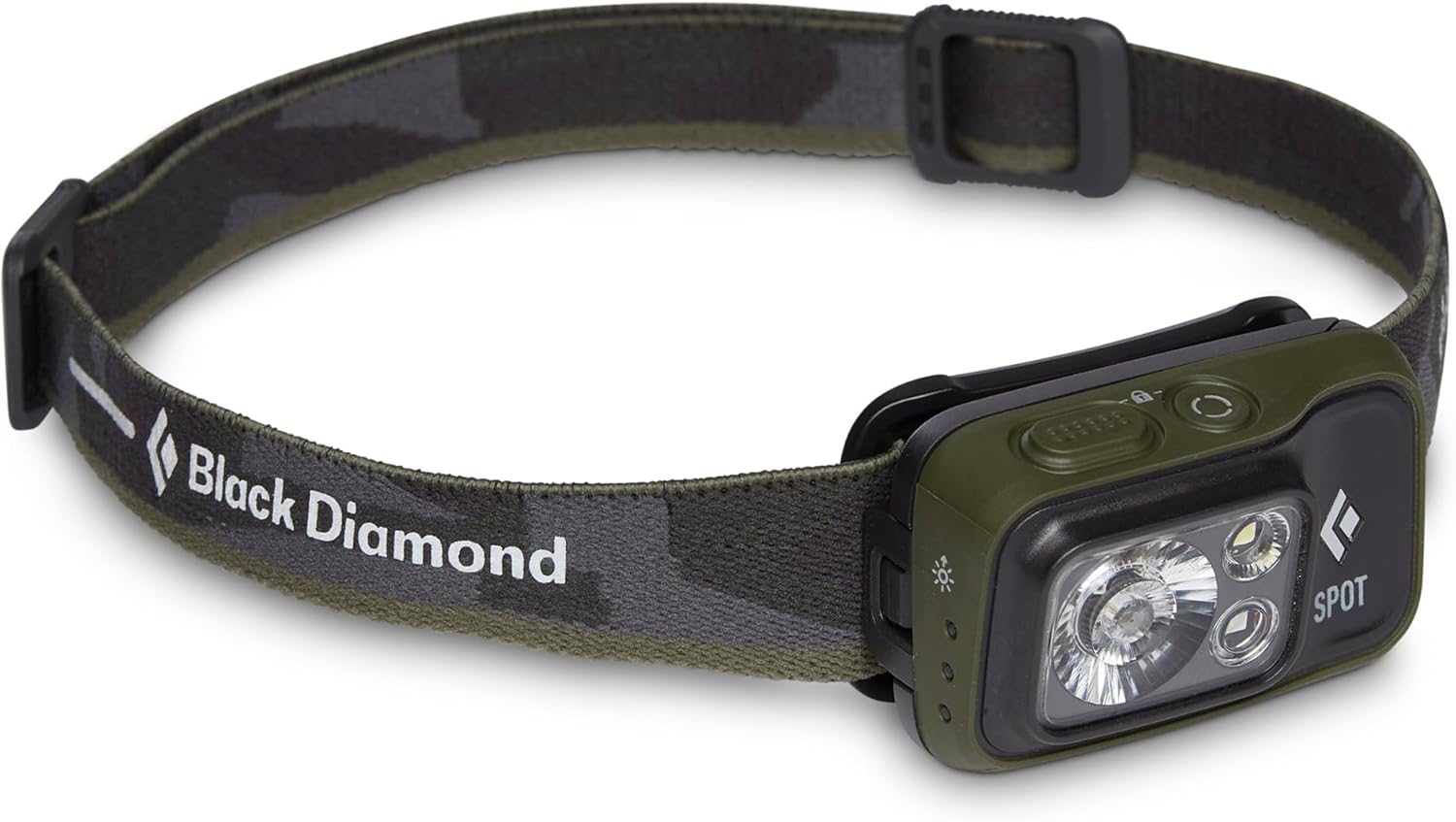
- Headlamp. Black Diamond Spot 400 Headlamp (~$60). One per person. Northern Michigan gets properly dark.
- Bug control. Permethrin for clothing, picaridin or DEET for skin, head nets for June and July, and a screen house if you can fit one in the car.
Frequently asked
When is the best time to camp in Michigan?
Late July through early October. August is the warmest and most reliable stretch; September is the quiet favorite, with warm afternoons, cold nights, no bugs, and open sites.
How far in advance do I need to book?
Six months for a summer weekend at a popular park. Michigan DNR opens bookings six months to the day ahead at midnrreservations.com, and Sleeping Bear, Ludington, and the Porcupine Mountains fill within minutes.
Do I need a Recreation Passport?
Yes, for state parks and recreation areas. It is a vehicle entry pass added at plate renewal or bought at the gate, and it is separate from your campsite fee.
How cold is the water?
Lake Superior often stays in the 50s and low 60s all summer. Lake Michigan reaches the low to mid 70s along the southern shore in August. Check beach flags for rip currents before anyone goes in.
Where should a Michigan first-timer camp?
A modern state park on the shoreline within a few hours of home. Ludington, Wilderness, or Traverse City State Park in the Lower Peninsula; Tahquamenon Falls for an easy first taste of the Upper Peninsula.
How bad are the mosquitoes in the Upper Peninsula?
In June and early July, bad enough to end a trip. Permethrin-treated clothing, picaridin or DEET, a screen house, and head nets make it workable. After the first September frosts it stops entirely.