Pacific Northwest
Camping in the Pacific Northwest for Beginners
What to expect, what changes, and how to plan your first trip in Washington and Oregon.
By William Blacklock · Last updated April 2026


What camping in the PNW is actually like
- Short reliably-dry window. Mid-July through mid-September is the prime camping stretch. Outside that window, expect rain, often cold rain.
- Cool nights even in summer. 50s overnight is normal in July at sea level; 30s and 40s above 4,000 ft. The bag rating that worked in Texas does not work here.
- World-class national parks, all popular. Olympic, Mt Rainier, North Cascades, Crater Lake - extraordinary, all competitive on weekend reservations.
- Beginner focus: a state park on either side of the Cascades within 90 minutes of home, mid-July through August, with full-coverage rainfly tested before the trip.
What's different about camping in the PNW
Wet is the default; dry is the exception
- West of the Cascades (Seattle, Portland, the coast): 30-80+ inches of rain a year, with fog and drizzle even on “clear” mornings.
- East of the Cascades (Bend, Yakima, the Methow, Walla Walla): half the rainfall and twice the sun. The under-rated PNW camping zone, especially for beginners.
- Dry summer window has occasional rain events - pack as if it might rain even when the forecast says clear.
- Sites under tree canopy stay damp for days after a rain. Open meadow sites dry faster but are colder at night.
Cool nights, layered days
- July sea-level lows: 50-55°F. July at 4,000 ft: 35-45°F.
- Daytime highs in the 70s-low 80s on most summer days.
- Layered system: synthetic base, fleece mid, light puffy or rain shell. Cotton stays wet here.
- A 30°F bag is the right rating for most sea-level summer trips. 20°F at altitude.
Reservations skew competitive
- National parks: recreation.gov, 6 months out, popular weekends fill in hours.
- Washington state parks: parks.wa.gov, 9 months out - earlier than most states.
- Oregon state parks: stateparks.oregon.gov, 6 months out.
- Mid-week and shoulder-season weekends are dramatically easier.
Cascadia awareness on the coast
- Olympic and Oregon coastal campgrounds are inside the Cascadia tsunami zone.
- Most coastal campgrounds post evacuation routes - read them on arrival, not later.
- Don't panic - the realistic risk on any given weekend is low. Just know the route.
Wildlife
- Black bears throughout. Use bear boxes; lock food and trash in a hard-sided vehicle. No bear canister required at developed campgrounds with boxes.
- Cougars in the Olympics and Cascades, rarely interact with campers.
- Bald eagles, salmon runs (in season), and Roosevelt elk in the Olympics - the wildlife you actually came to see.

Best setup for your first trip in the PNW
These are the three beginner trip types that work in the PNW, mapped to plans on this site. Take the 5-second quiz if you want one matched to your dates and the dry-window you're aiming for. If rain still finds you, see camping in the rain.
- Backyard Test. Run it on a forecast night with rain. PNW gear is rain gear - better to find out your rainfly leaks in the backyard than in the Hoh Rainforest.
- First Night Camp. One night, one car, a state park within 90 minutes, in the mid-July through August dry window. Deception Pass, Lake Wenatchee, Beverly Beach, or any Oregon coast park.
- Easy Family Basecamp. Two nights at a state park or national forest campground with bear boxes and reliable bathrooms. Mid-week reservations open up substantially.
Where beginners should look
Washington state parks
Washington State Parks runs over 100 parks. Reserve at parks.wa.gov 9 months out. Deception Pass, Lake Wenatchee, Cape Disappointment, Larrabee, Steamboat Rock - all proven beginner-friendly with real infrastructure.
Oregon state parks
Oregon State Parks runs over 250 parks and recreation areas. Reserve at stateparks.oregon.gov 6 months out. Beverly Beach, South Beach, Silver Falls, Cape Lookout, Champoeg, Tumalo - coastal and inland options for any climate preference.
National parks and federal lands
Olympic, Mt Rainier, North Cascades, and Crater Lake reserve through recreation.gov. Each park has multiple campgrounds with different reservation rules: Mt Rainier's Cougar Rock and Ohanapecosh fill within minutes of opening; White River on the Sunrise side is slightly easier. Olympic's Hoh, Sol Duc, and Kalaloch are the headline campgrounds and book the same way; Mora and Heart O' the Hills usually have more weekday availability. Crater Lake's Mazama is the only reservable campground in the park. National forest campgrounds (Mt Hood, Gifford Pinchot, Wenatchee, Deschutes, Willamette) are far less competitive and many are spectacular - Smith Rock's nearby walk-in tent campground is the gateway for central Oregon's climbing mecca.
Dispersed camping
Free dispersed camping on most national forest and BLM land east of the Cascades. The Methow, the Okanogan, central Oregon east of Bend, and the Ochoco NF all open up after a few weekends in. Beginners should start with developed campgrounds first.
What to bring (for the PNW)
PNW camping gear is rain gear. Adjust the basics:
Add
- Full-coverage rainfly (tested before the trip in your backyard).
- Footprint or ground tarp under the tent floor.
- 10×10 tarp or canopy over the picnic table - runs the whole damp evening, not just during rain.
- Synthetic and wool clothing only - no cotton, including underwear and socks.
- Rain jacket and rain pants. Pants matter more than people expect.
- 30°F sleeping bag at sea level; 20°F at altitude.
- Insulated sleeping pad - R-value 4 minimum for cool wet ground.
- Quick-dry pack towel and microfiber clothes.
- Headlamp with backup batteries - daylight cuts off fast under canopy.
Skip or downsize
- Heavy bug control - west-side mosquito load is light. East side and alpine lakes are buggier.
- Heavy sun shelter - most campgrounds are under canopy and stay shaded all day.
Common first-time mistakes in the PNW
- Trying a shoulder-season trip in your first weekend. June and October are wet enough that gear failures hit hard. Pick mid-July through August for trip one.
- Letting the rainfly droop against the tent walls. The usual cause of a soaked PNW tent is not a leak - it's a sagging rainfly that touches the inner mesh and wicks condensation straight onto your sleeping bag overnight. Stake the fly tight, guy out every loop, and pick a tent with a rainfly that stops a few inches above the ground for airflow.
- Wearing cotton. A cotton t-shirt under a fleece becomes wet, cold, and stays that way. Synthetic or wool only.
- Underestimating overnight cold at altitude. 75°F afternoon at 4,000 ft can become a 38°F night in July. The 50°F bag from the desert trip will not work.
- Booking Mt Rainier or Olympic two weeks ahead. Six months ahead, the morning the recreation.gov window opens. Cougar Rock and Hoh are gone in minutes; otherwise pick a state park or national forest alternative - Deception Pass for the San Juan Islands feel, Lake Wenatchee for east-side sun, or any developed Mt Hood NF site as a Rainier-area substitute.
Simple gear setup for the Pacific Northwest
A working starter kit calibrated for PNW - built around rain protection, a warmer sleeping system, and quick-dry materials.
- Tent. Coleman Sundome 4-Person (~$68). Seam-seal the rainfly before the trip; stake the rainfly off the body for ventilation when it's only drizzling.
- Sleeping bag. Coleman Brazos Sleeping Bag (~$54). Works sea level mid-summer in the PNW. For altitude or shoulder-season nights, upgrade to a 20-30°F bag.
- Sleeping pad. Big Agnes Divide UnInsulated Pad (~$100). Self-inflating, packs small. Pair with a closed-cell foam pad in damp conditions.
- Stove. Coleman 1-Burner Propane Stove (~$40). Reliable in damp conditions.
- Cooler. Coleman Classic Rolling Cooler 100QT (~$107). Bear box overnight in any forested campground.
- Tarp / canopy. CROWN SHADES 10×10 Pop-Up Canopy (~$140). Less for shade, more for keeping the picnic table dry.
- Lighting. LuminAID Titan 2-in-1 Solar Lantern (~$75).
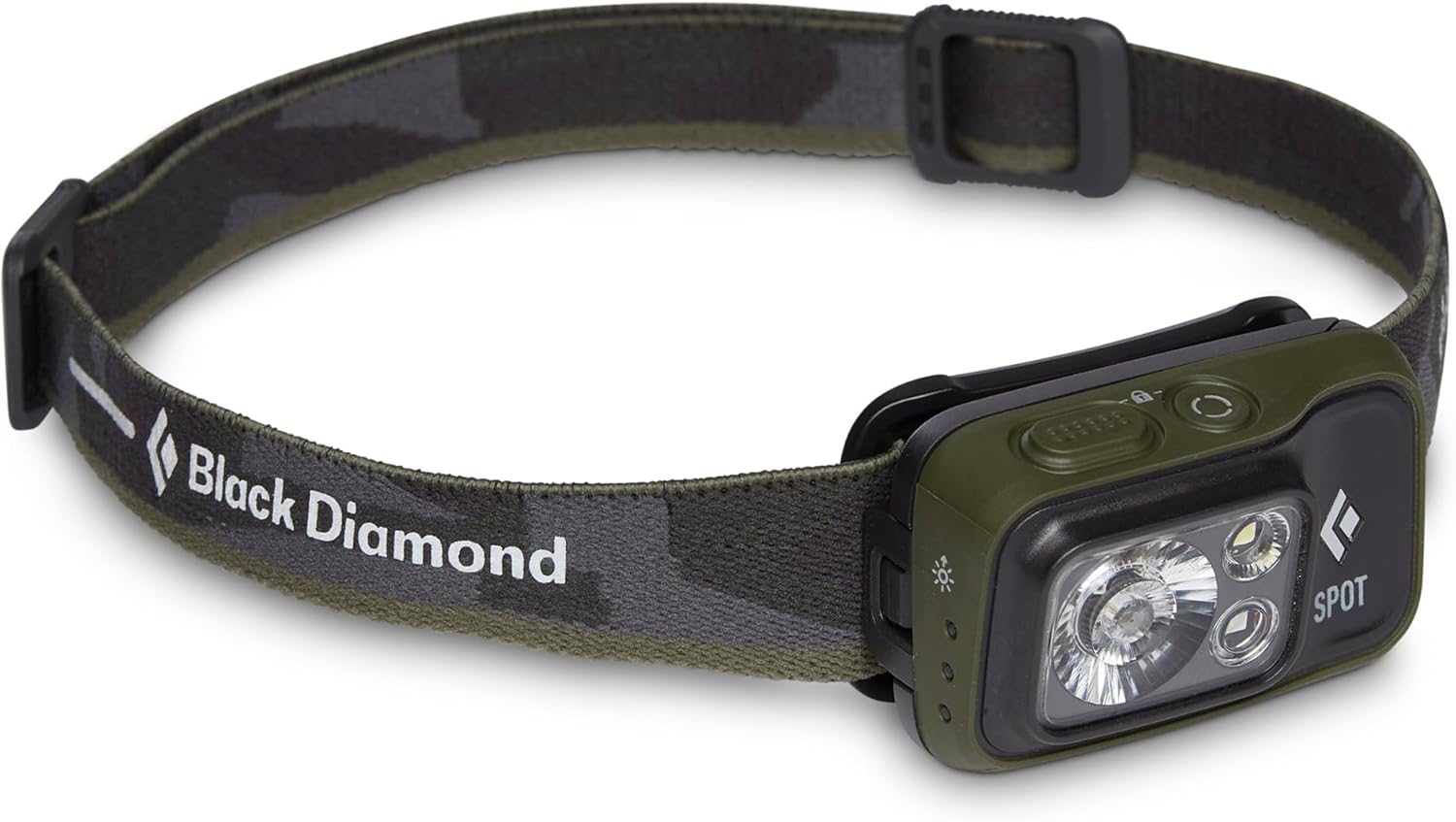
- Headlamp. Black Diamond Spot 400 Headlamp (~$60). Daylight ends fast under PNW canopy.
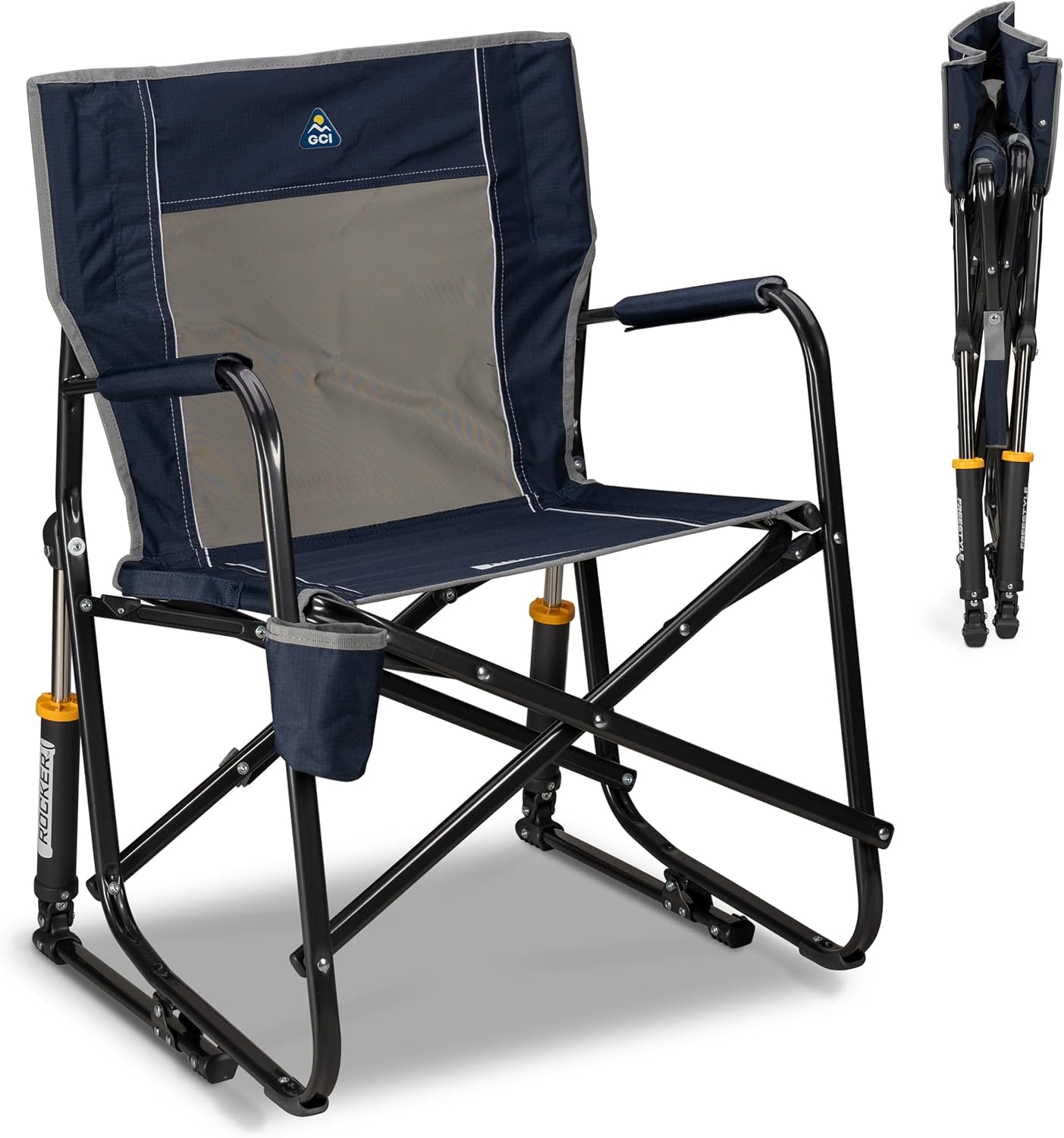
- Camp chair. GCI Outdoor Freestyle Rocker (~$80).
Frequently asked
When is the best time to camp in the PNW?
Mid-July through mid-September on the wet (west) side. East of the Cascades is drier and works May through October. Off-window trips are wet enough that beginner camping is hard.
How wet is wet, really?
30-80+ inches of rain per year west of the Cascades. Even in the dry summer window, expect cool foggy mornings, drizzly evenings, and the occasional all-day rain. Plan for wet even when the forecast says clear.
Are Mt Rainier, Olympic, and Crater Lake hard to book?
Yes for summer weekends - six months ahead the morning the recreation.gov window opens. Mid-week and the late-season shoulder are easier. State parks and national forest campgrounds are dramatically less competitive.
Are there bears? Do I need a canister?
Black bears throughout. Use the bear box; lock food in a hard-sided vehicle when no box is available. Hard-sided canisters are not required for developed campground tent camping when bear boxes are present.
Should I worry about earthquakes or tsunamis on the coast?
Be aware. Most coastal campgrounds are in the Cascadia tsunami zone and post evacuation routes. Read the route on arrival. Realistic weekend risk is low.
Where should a PNW first-timer actually go?
A state park within 90 minutes of Seattle or Portland, mid-July through August. Deception Pass, Lake Wenatchee, Cape Disappointment, Beverly Beach, Silver Falls. Save Mt Rainier's Paradise area, the Hoh Rainforest, and Crater Lake for trip three.