Georgia
Camping in Georgia for Beginners
Blue Ridge waterfalls at one end, wild horses and live oaks at the other, and a summer that decides your calendar for you.
By William Blacklock · Last updated April 2026


What camping in Georgia is actually like
- Two very different halves. The Blue Ridge in the north has elevation, waterfalls, and cool nights. The coastal plain and the coast are flat, hot, humid, and buggy, with barrier islands that are worth the effort.
- Long season, hard middle. You can camp somewhere in Georgia in every month of the year. June through early September in the lowlands is the stretch beginners should skip.
- Strong state park system. Georgia runs a well-maintained network of state parks with showers, flush toilets, and staff, many of them built by the Civilian Conservation Corps in the 1930s.
- Beginner focus: a North Georgia state park with a lake beach and a waterfall trail, in spring or fall, within two hours of home.
What's different about camping in Georgia
Humidity, not just heat
- Georgia summer highs sit in the 90s, but the dew point is what makes it hard. Sweat does not evaporate, and overnight lows stay in the 70s in the lowlands.
- Elevation is the fix. North Georgia above 2,000 feet runs roughly ten degrees cooler and actually cools off at night.
- Plan the day around a swimming lake or a creek. Activity in the morning and evening, water and shade from noon to five.
- Bring twice the water you expect to drink, plus electrolyte packets. Humid heat dehydrates people who do not feel thirsty.
Four separate bug problems
- Mosquitoes from spring to first frost, heaviest in the coastal plain and anywhere with standing water.
- Chiggers in tall grass and leaf litter. They leave a line of intensely itchy welts at the sock line and waistband, and most people meet them by sitting on the grass.
- Ticks everywhere, heaviest in spring and early summer. Nightly checks, same as anywhere in the Southeast.
- Sand gnats on the coast, worst in spring, small enough to pass through standard mosquito netting.
- The answer to all four is the same: permethrin on clothing a day before you go, picaridin or DEET on skin, long pants at dusk, and stay off tall grass.
Snakes deserve respect, not fear
- Copperheads statewide, timber rattlers in the mountains and piedmont, cottonmouths near water in the coastal plain, eastern diamondbacks in south Georgia.
- Nearly every bite follows a hand or foot going somewhere unseen. Do not reach into woodpiles, under rocks, or into leaf litter.
- Closed shoes and a headlamp around camp after dark. Snakes move at night in warm weather.
- If you see one, walk around it. Most bites happen to people trying to kill or move a snake.
The coast is a different trip entirely
- Cumberland Island is ferry-only from St. Marys, with capped daily visitors, no stores, and no vehicles for campers.
- Everything comes on the boat and gets carried, including all your water at the wilderness sites.
- The feral horses are wild animals. Keep well back and never feed them.
- Sea Camp, the developed campground near the dock with restrooms and water, is the only version of this a first-timer should book.

Best setup for your first trip in Georgia
Three beginner trip types that work here, mapped to plans on this site. Pick the smallest one you have not done yet, or take the 5-second quiz and we will match one to your dates and party size. If you are set on a summer date, read camping in a heatwave first.
- Backyard Test. Worth doing here specifically because Georgia humidity tests a tent differently than dry heat does. Find out whether your setup breathes on a warm night at home before you drive to the mountains.
- First Night Camp. One night, one car, a North Georgia state park within two hours. Late March through May, or October and November. A lake beach makes the afternoon plan itself.
- Easy Family Basecamp. Two nights at Vogel, Cloudland Canyon, or Amicalola Falls: a waterfall hike one day, the lake or the pool the other. Drive up Friday evening, home Sunday.
Where beginners should look
Georgia state parks
The state park system is the easiest first trip in Georgia. Vogel State Park near Blairsville is the archetype: one of the oldest parks in the state, built by the CCC in the 1930s, sitting on Lake Trahlyta with a beach, short waterfall trails, and cabins if the tent plan falls apart. Cloudland Canyon in the northwest corner has a sandstone gorge, two waterfalls, and long views from the rim campsites. Amicalola Falls holds the tallest cascading waterfall in the eastern United States and the approach trail to Springer Mountain, where the Appalachian Trail begins. Reserve at gastateparks.org, and remember the Georgia ParkPass for parking is charged separately from the campsite.
Chattahoochee-Oconee National Forest
The national forest wraps around the North Georgia mountains and holds developed campgrounds near Lake Winfield Scott, Lake Conasauga, and the Chattooga and Toccoa rivers, most of them reserved on recreation.gov. Fees are low, facilities are simpler than the state parks, and dispersed camping is permitted in much of the forest. It is a natural trip two once you have a state park weekend behind you. Check current fire restrictions and food storage rules before you go, since black bears are established across North Georgia.
The coast and Cumberland Island
Cumberland Island National Seashore is the marquee Georgia camping trip and the one that requires the most planning: passenger ferry only from St. Marys, capped daily visitors, and both boat and campsite booked through recreation.gov well ahead. Details, ferry schedules, and current conditions are at nps.gov/cuis. If you want coastal camping without the logistics, the state parks on and near the mainland coast and around the Okefenokee are far more forgiving, and the salt marsh and live oak scenery is much the same.

What to bring (for Georgia)
Start from a normal beginner packing list, then adjust:
Add
- A 10x10 canopy or shade tarp. Shade is the most-used gear at a Georgia campsite from May onward.
- Twice the water you think you need, minimum one gallon per person per day, plus electrolyte packets.
- Permethrin for clothing, picaridin or DEET for skin, and long lightweight pants for dusk.
- A battery tent fan. Humid 75°F nights are harder to sleep through than dry 85°F nights.
- Closed-toe shoes for around camp after dark, and a headlamp within reach at night.
- Block ice rather than cubes, and two coolers if you can: one for drinks, one for food.
- Anti-itch cream and fine-tipped tweezers. Chiggers and ticks are near-certainties.
Skip or downsize
- Heavy sleeping bags. A 50°F bag or a sheet and blanket covers most Georgia nights outside winter.
- Four-season tents. A three-season tent with a full mesh inner is what you want here.
- Bulky insulated jackets. A fleece covers the handful of cool mountain evenings.
Common first-time mistakes in Georgia
- Booking a July weekend in the coastal plain. Ninety-plus degrees with a 75°F dew point and a night that never cools is not a first camping trip. Go to the mountains, or move the date to spring or fall.
- Sitting in the grass. That is how everyone meets Georgia chiggers. Use a chair or a ground cloth, keep pants treated with permethrin, and shower and change clothes when you get home.
- Walking to the bathhouse barefoot at night. Copperheads move after dark in warm weather and are extremely well camouflaged in leaf litter. Closed shoes and a headlamp.
- Treating Cumberland Island like a drive-up campground. Ferry only, capped visitors, no stores, no vehicles, and you carry everything including your water at the wilderness sites. Book months out and only after a couple of easier trips.
- Forgetting the ParkPass. Georgia charges for vehicle parking separately from the campsite. Buy the daily pass at the park or the annual pass online before you go.
Simple gear setup for Georgia
A working starter kit calibrated for Georgia: heat, humidity, and heavy bug pressure. Built around shade and airflow rather than insulation.
- Tent. Coleman Sundome 4-Person (~$68). The full mesh inner is the point. Stake the fly off the body so air can move on humid nights.
- Shade. CROWN SHADES 10×10 Pop-Up Canopy (~$140). Two minutes to set up and in use the whole hot part of the day.
- Tent fan. FRIZCOL 3-in-1 Camping Fan (~$40). Moving air is what makes a humid Georgia night sleepable.
- Stove. Coleman Triton+ 2-Burner Propane Stove (~$85). Works under the burn bans that show up during dry spells.
- Cooler. Coleman Classic Rolling Cooler 100QT (~$107). Block ice, kept closed, in the shade.
- Hydration. DripDrop Hydration Packets (~$25). Humid heat dehydrates people who never feel thirsty.
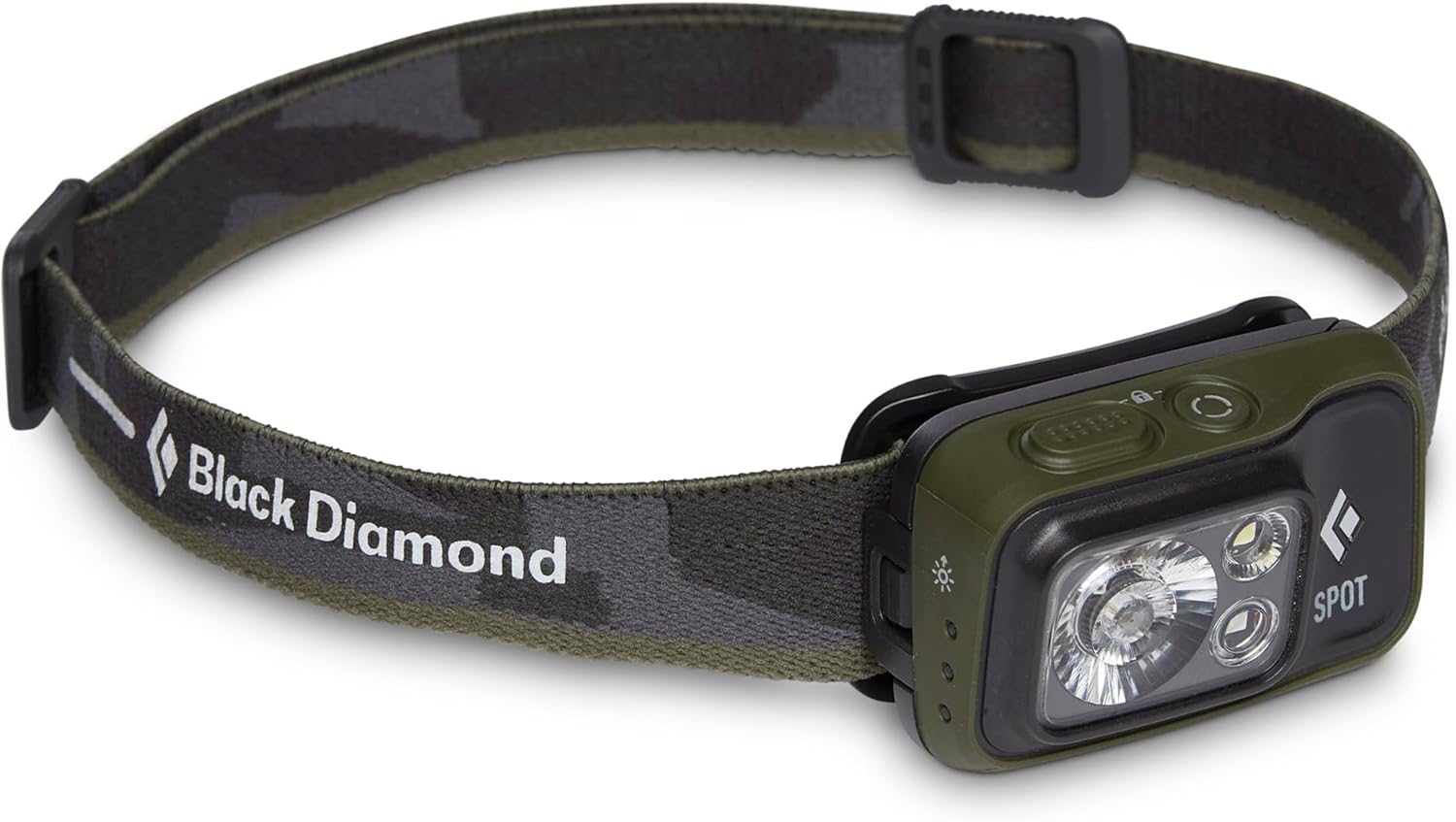
- Headlamp. Black Diamond Spot 400 Headlamp (~$60). One per person, and the thing that keeps you from stepping on a copperhead.
- Bug control. Permethrin for clothing, picaridin or DEET for skin, and anti-itch cream plus fine-tipped tweezers for the chiggers and ticks you will still pick up.
Frequently asked
When is the best time to camp in Georgia?
March through May and late September through November. Winter is mild on the coast and in middle Georgia. For a summer trip, go up into the North Georgia mountains, where it runs about ten degrees cooler and actually cools off at night.
Where should a Georgia first-timer camp?
A North Georgia state park with a lake and a waterfall within two hours of Atlanta. Vogel, Cloudland Canyon, and Amicalola Falls all have showers, flush toilets, staff, and a built-in daily activity.
How do I camp on Cumberland Island?
Passenger ferry from St. Marys, with the boat and the campsite both booked through recreation.gov well ahead. No stores, no vehicles, and you carry everything in. Sea Camp near the dock is the beginner version.
How bad are the bugs in Georgia?
Bad, in four flavors: mosquitoes, chiggers, ticks, and coastal sand gnats. Permethrin-treated clothing, picaridin or DEET on skin, long pants at dusk, and staying off tall grass handles most of it.
Do I need to worry about snakes?
Be aware, not afraid. Copperheads statewide, timber rattlers in the mountains, cottonmouths near coastal-plain water. Closed shoes and a headlamp after dark, no reaching where you cannot see, and give any snake a wide berth.
Do I need a pass for Georgia state parks?
Yes, a Georgia ParkPass for vehicle parking, separate from the campsite fee. Buy a daily pass at the park or an annual pass online, and reserve sites at gastateparks.org.