How-to
How to Put Out a Campfire Completely
A campfire is not out when the flames are gone. Here is the drown, stir, and feel method, how much water to have ready, and how to make it the kids' favorite job of the night.
By William Blacklock · Last updated November 2026


Why gone is not the same as out
A fire that stopped flaming an hour ago can still be sitting on coals hot enough to burn a hand or reignite in a gust of wind. Ash insulates those coals, so the top of the ring can look gray and dead while the bottom is still glowing. Escaped campfires are one of the common human causes of wildfires, and many of them start from fires the campers believed were out.
Fall and early winter make this easy to underestimate. Leaves are dry and piling up around fire rings, nights are colder so families build bigger and longer fires, and it is dark by the time anyone thinks about bed. The method below works in any season. It just matters more right now.
Plan the ending when you light it
Putting a fire out well starts before you light it. Fill a bucket or water jug and set it next to the ring before the first match, the same habit covered in how to start a campfire. A collapsible bucket like the Eurow 10 liter bucket folds flat in the bin and holds about two and a half gallons. If your site's spigot is a long walk away, a large water jug parked by the fire saves trips in the dark.
Then stop feeding the fire about an hour before bedtime or before you plan to leave. A fire that has burned down to small coals and ash goes out in a fraction of the time and water that a fire with two fresh logs on it needs.
Step 1: Drown it
Pour water slowly over the whole fire, not just the glowing center. Start at the edges and work in, and keep pouring until the hissing and popping stop. Pouring slowly matters for two reasons: it soaks the coals instead of running off, and it keeps the cloud of steam and ash manageable. Steam can scald, so stand back and upwind, pour from arm's length, and keep kids a few steps behind you for this part.
Step 2: Stir it
Now take a sturdy stick or a small shovel and stir the wet ashes and coals all the way to the bottom of the ring. This is the step most people skip, and it is the one that finds the heat. Turn over every coal, break up clumps, and scrape the blackened ends off any log that is left, since logs hold heat in their charred outer layer. Roll larger pieces over and wet all sides. Check the rocks of the ring too, and under the cooking grate if there is one.
Step 3: Drown it again
Stirring always uncovers coals the first round of water missed. Pour again over everything you just turned over, until there is no hiss and no steam. On a big fire that burned all evening, expect to repeat stir and drown two or three times. Several gallons in total is normal.
Step 4: Feel it
Hold the back of your hand just above the ashes, then over the rocks. If you feel no heat, carefully touch the stirred ashes, the wet wood, and the stones of the ring. Smokey Bear's line is the one to remember: if it is too hot to touch, it is too hot to leave. Anything warm gets more water and more stirring. When the whole ring is cold to the touch and you see no smoke or steam, the fire is out.
Why dirt and snow fall short
Throwing dirt on a fire smothers the flames, which makes it look finished, but it can trap live coals underneath. Buried coals can smolder for many hours, creep along roots, and surprise the next campers or flare up when wind uncovers them. If you truly have no water, mix dirt or sand into the embers while stirring rather than piling it on top, and keep stirring and feeling until everything is cool.
Snow is better than nothing but less reliable than it looks. It melts into a thin layer of water on top of the coals, and the coals underneath keep burning. A light rain does the same thing. Treat both as help, not as the job done, and still drown, stir, and feel.
Give kids a real job
Kids love putting the fire out, and turning it into their job is the best way to teach them it matters. Younger kids can carry small containers of water from the jug and help count buckets. Older kids can pour under supervision, and a careful nine or ten year old can do the stirring with a long stick while you watch. Keep the touch test for an adult, and let kids do the "back of the hand" hover check over the rocks once the ring is cool.
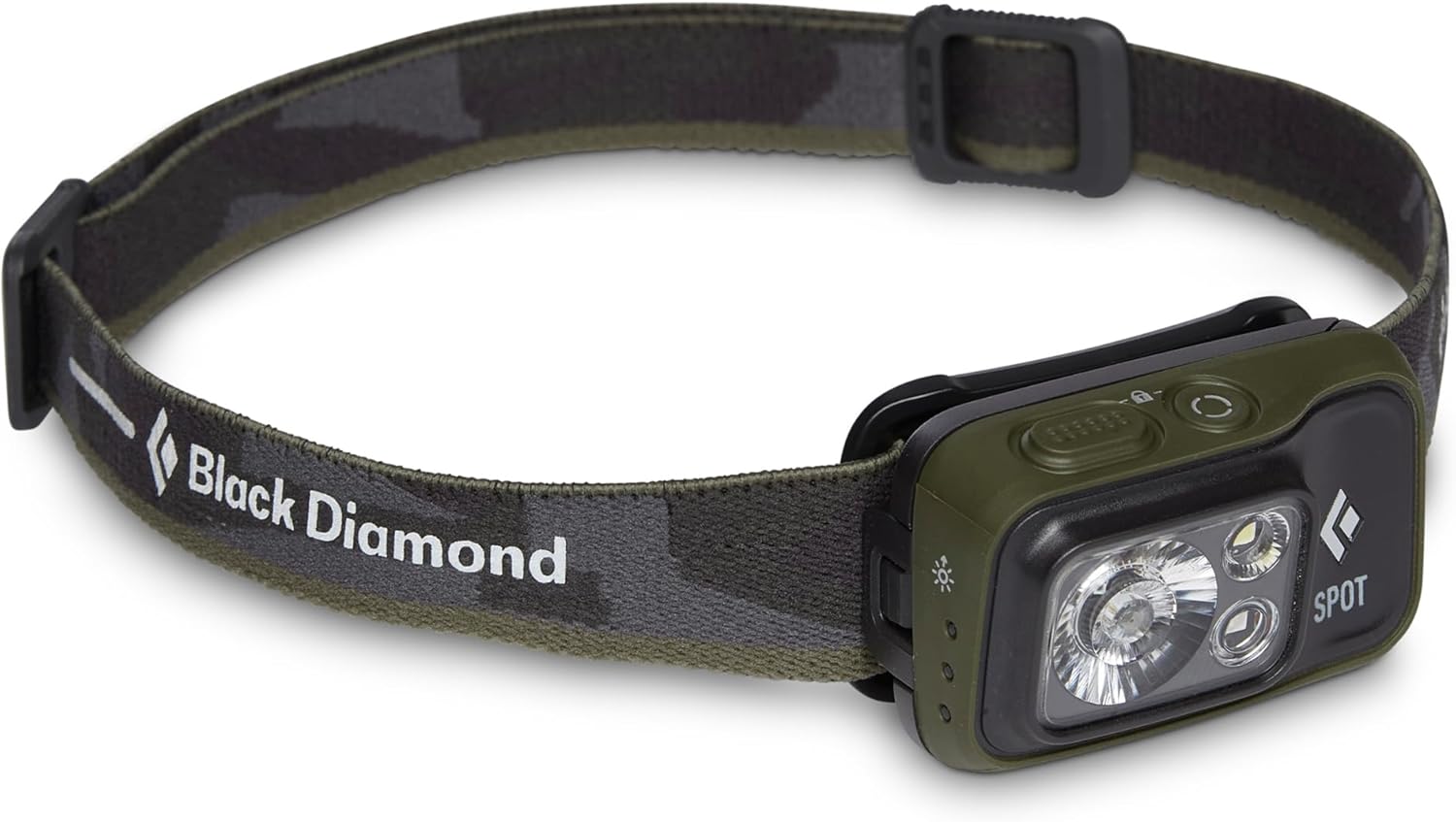
Do it with headlamps on. A bright headlamp such as the Black Diamond Spot 400 makes it much easier to spot a last orange glow at the bottom of the ring. Keep a basic first aid kit near the fire for small burns, and run any burn under cool water right away.
Morning fires and breaking camp
Fires feel safest in daylight, which is exactly when people leave them. A breakfast fire or a fire someone restarted from last night's coals needs the same full drown, stir, and feel before you pack the car. Put it on the list right next to taking down the tent: our how to break camp guide puts the fire check near the start, so it is never the rushed last task. A small fire extinguisher spray such as First Alert EZ Fire Spray is handy for a sudden flare-up, but it is a backup, not a way to put a campfire out.
Propane fire pits are simpler: close the valve on the tank as well as the knob on the pit, let it cool, and check that the burner is not still hot before covering it. They are also the fire you are most likely to be allowed during restrictions, which camping during a burn ban covers in detail.
If a fire gets away from you
If embers have spread outside the ring and you cannot put them out quickly with the water you have, get everyone away from the fire and call 911. Tell the dispatcher which campground and site you are at. Then let the camp host know. A small spot fire caught in the first minute is easy; trying to fight a growing one with a bucket is not a job for a family.
Frequently asked
How do you know a campfire is completely out?
Feel it. Hover the back of your hand over the ashes and rocks, then carefully touch the stirred ashes and leftover wood. No heat, no steam, no hiss, and no glow when you stir to the bottom means it is out. If it is too hot to touch, it is too hot to leave.
How much water does it take to put out a campfire?
Usually several gallons for a family fire that burned all evening, often two or three full buckets, poured slowly with stirring in between.
Can you put out a campfire with dirt instead of water?
Only when you have no water. Burying a fire can trap coals that smolder for hours. Mix dirt or sand into the embers while stirring, never just pile it on, and feel for heat before you leave.
How long before bedtime should I start putting out the campfire?
Stop adding wood about an hour before bed, then plan on 20 to 30 minutes for the drown, stir, and feel process.

