Gift guide
Gifts for New Campers
Someone on your list just said they want to try camping. The best gift is not the tent. It is the handful of things every beginner is missing on the first night, the ones they do not know to buy yet.
By William Blacklock · Last updated October 2026


Why not just buy the tent?
Most beginners are better off borrowing or renting the big gear for the first trip, which is exactly what we tell them in camping for beginners. They do not yet know how big a tent their family needs, whether they will camp in cold weather, or how much the car holds. Small gear is different: a headlamp or a stove is useful no matter what tent they end up with, and it is the stuff borrowed kits are usually missing.
Prices change often in November and December, so we give price bands rather than exact prices. Check the current price before you buy.
Light: the first gap every beginner has
- EverBrite LED Headlamp, 5-Pack (under $25). Five headlamps with a red night mode and batteries included. New campers almost always bring one flashlight for the whole family. This fixes that on day one.
- Consciot LED Camping Lantern (2-pack) ($25 to $50). A two-pack of collapsible battery lanterns, bright enough for the picnic table and simple enough that nobody needs instructions.
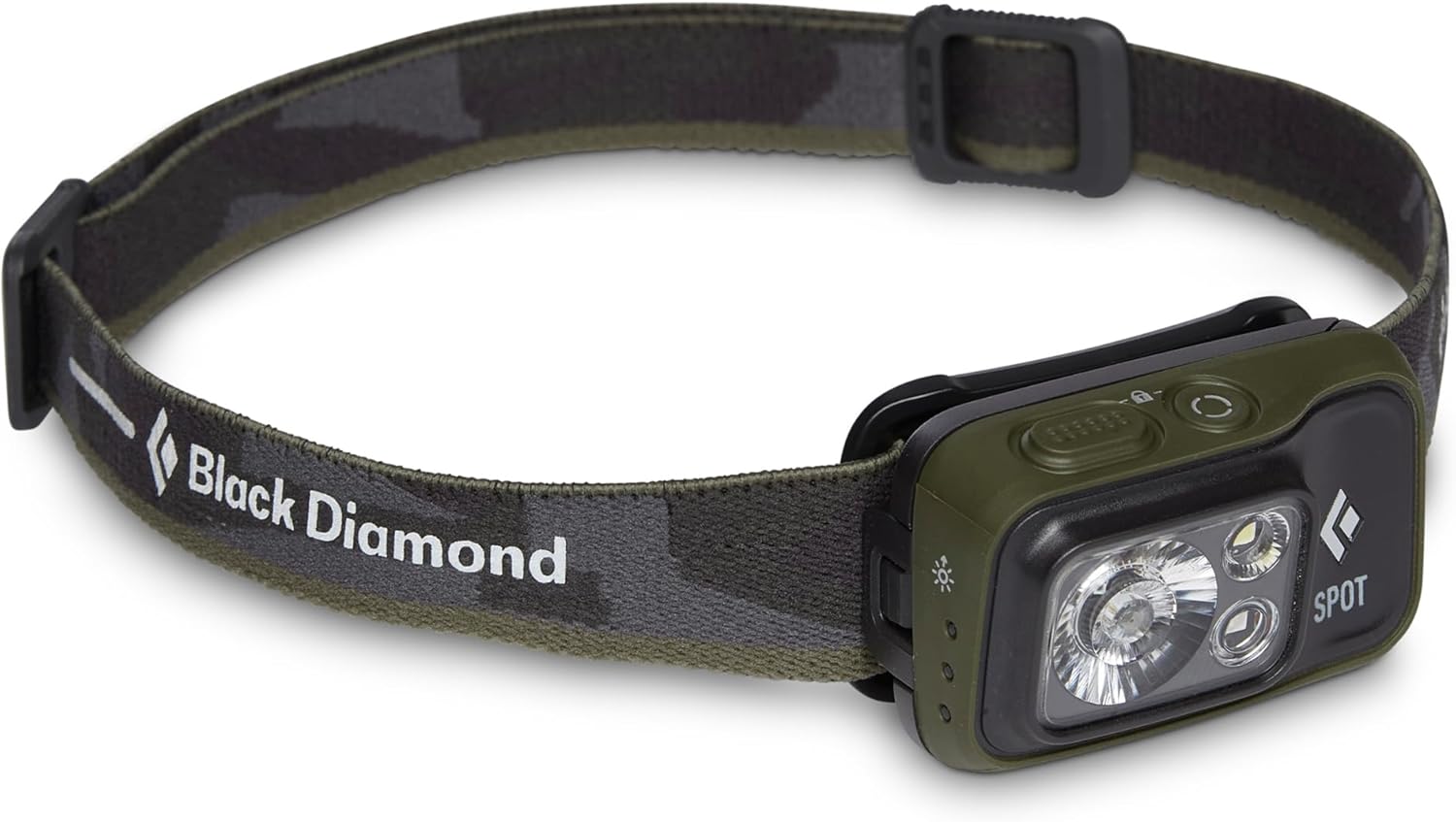
- Black Diamond Spot 400 Headlamp ($50 to $75). The step-up pick: a bright, waterproof headlamp for the adult who will handle every after-dark chore.
The camp kitchen
- Coleman 1-Burner Propane Stove ($25 to $50). A single-burner propane stove with no learning curve. It boils water fast and is often still allowed when campfires are banned. Our no-cook meals and easy family camping meals are built around exactly this kind of setup.
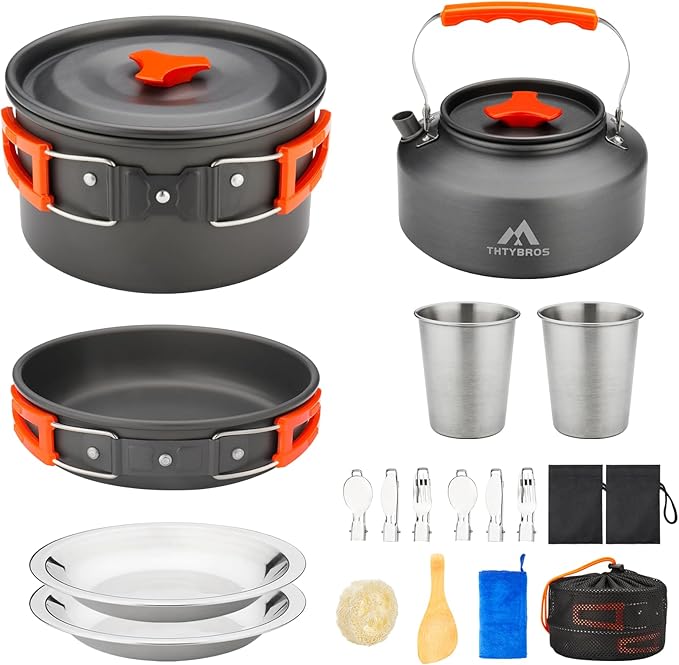
- THTYBROS 17-Piece Camping Cookware Mess Kit ($25 to $50). A pot, kettle, frying pan, and two sets of plates, cups, and utensils that nest into one bag. Stops the new camper from packing half the home kitchen.
- UCO Stormproof Match Kit (under $25). Matches that keep burning in wind and rain. Beginners rarely pack a backup way to light the stove until the lighter fails.
Sleeping warmer
- Therm-a-Rest Z Lite Sol Foam Sleeping Pad ($50 to $75). A folding foam pad that adds insulation under any air mattress or inflatable pad and cannot pop. The cold ground surprises almost every first-timer; see sleeping pad R-values for why.
- REDCAMP Closed-Cell Foam Sleeping Pad, 72 x 22 in ($25 to $50). The budget version: a closed-cell foam pad with nothing to inflate. Good to give one per kid.
- HotHands Hand Warmers, 40 Pairs (under $25). For a beginner who will start in spring or fall, a box of hand warmers takes the edge off the first cold morning.
Safety and comfort
- Gevoke 410-Piece First Aid Kit ($25 to $50). A large first aid kit in a waterproof hard case. Pair it with our family camping first aid kit guide and the free first aid quick reference.
- Anker Zolo Power Bank, 20,000mAh ($25 to $50). Keeps phones and rechargeable headlamps going for a weekend away from outlets. New campers lean on their phones for maps and photos more than they expect.
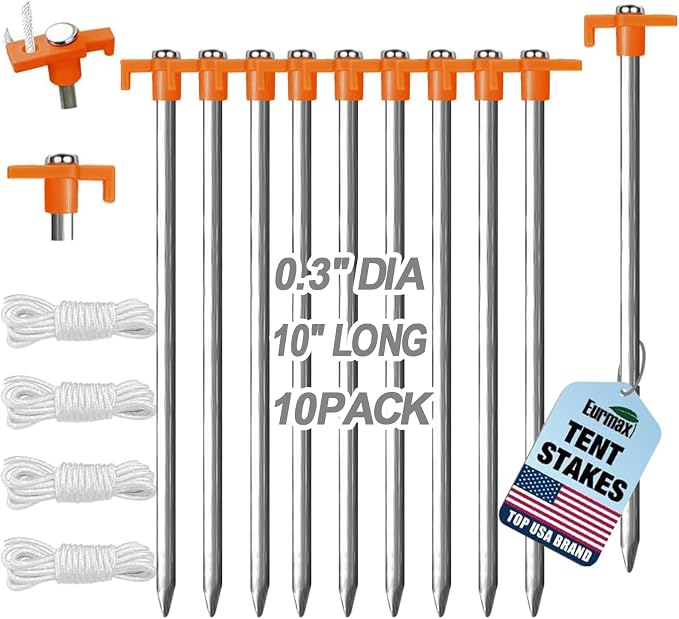
- Eurmax Galvanized Steel Tent Stakes, 10-Pack (under $25). Steel stakes to replace the thin pins that come with most tents, borrowed or new.
- Rainleaf Microfiber Quick-Dry Towel, 60 x 30 in (under $25). For wiping morning condensation off the tent before it drips. First-timers often mistake condensation for a leak.
- Coleman Portable Chair with 4-Can Cooler (around $50). A simple folding camp chair with a small cooler in the armrest, for the beginner who would otherwise sit on the cooler all weekend.
If they really do want a tent
If the new camper has asked for a tent and you know how many people will sleep in it, the one we hand most families of 4 is the Coleman Sundome 6-Person ($75 and up). It pitches in about 10 minutes and fits two queen air beds. Read the best family tents before you buy, and remember the rule: size up from the headcount.
Starter bundles
- The first-night kit: headlamp 5-pack, stormproof matches, and a foam pad.
- The camp kitchen: single-burner stove, cookware mess kit, and a copy of no-cook camping meals for kids for the arrival night.
- The peace of mind kit: first aid kit, power bank, and a printed backyard test checklist.
The gift that matters most: a plan
The biggest thing stopping a new camper is not gear. It is not knowing where to start. Two non-gear gifts help more than anything on this page: offering to come along on the first trip, and booking a site at a family-friendly park. Our how to plan a camping trip guide and the free trip planner quiz turn “we should try camping” into a weekend on the calendar. For the full gear picture, the first camping trip checklist shows what they still need to borrow.
Shopping for the rest of the family too? See the best camping gifts for families.
Frequently asked
What do you get someone who is new to camping?
Fill the gaps beginners almost always have, not the big gear they may already be borrowing. Good gifts for new campers are headlamps for everyone, a simple propane stove, a nesting cook kit, a family first aid kit, a foam sleeping pad, a power bank, and a few small fixes like stormproof matches and better tent stakes. Avoid giving a tent unless they asked for one.
Is a tent a good gift for a beginner?
Only if they have decided to camp and asked for one, or you know their family size. Most first-timers borrow or rent a tent for the first trip and buy after they know what they like. If you do buy one, size up: a 6-person tent like the Coleman Sundome 6 suits a family of 4.
What camping gear do beginners usually forget?
A light for every person, a way to light the stove when it is wet, enough insulation under the sleeping bag, a basic first aid kit, and a way to charge a phone. Those are exactly the gaps that make good gifts, because they are inexpensive and beginners do not know they need them until the first night.
What is a good gift for a family going camping for the first time?
A starter bundle: a multi-pack of headlamps, a single-burner propane stove, a cookware mess kit, and a first aid kit covers most of what a new family is missing. Add the offer of your time, or a booked campsite at a state park, and the first trip is practically planned.