Holiday
First Day Hikes With Kids
How to find a New Year's Day hike near you, what to put on kids for a January morning, and how to keep it short enough that they ask for another one.
By William Blacklock · Last updated November 2026



Why a New Year's Day hike works for families
A guided hike takes most of the planning off you: a marked route, a start time, and usually a ranger or volunteer who has done it before. The pace is set for mixed ages, the trail is chosen to be doable in winter, and there are other families around, which is the best motivation for a reluctant kid. It is also a low-stakes way to test your cold-weather clothing before a winter camping trip.
How to find a hike near you
Start with your state park system's website and look for a First Day Hike or New Year's Day events listing, which usually goes up in early to mid December. Compare routes by length and terrain, not just by name, and pick the shortest one that still sounds fun. If the listing asks for registration, sign up early. If a park near you has no organized hike, a self-guided walk on a short, well-marked trail works just as well.
Some parks also have cabins or open campgrounds that weekend, so a first-day hike can be the daytime half of a winter getaway. See winter break camping with kids for where sites are open in late December.
What to wear: three layers, no cotton
Dress kids in a wicking base layer, an insulating middle layer, and a windproof outer shell. Add a warm hat, mittens (warmer than gloves for small hands), and wool or synthetic socks. Cotton is the one thing to avoid next to the skin, because it holds sweat and chills a kid the moment they stop moving. Start slightly cool, since kids warm up fast on the trail, and have them shed a layer before they sweat. The full clothing system is in how to dress kids for cold weather camping.
What goes in the pack
- An insulated bottle of hot cocoa or warm broth, plus water
- Snacks you can eat with mittens on, and more than you think you need
- A spare insulating layer and a dry pair of socks per kid
- Chemical hand warmers for the pocket, not the glove liner
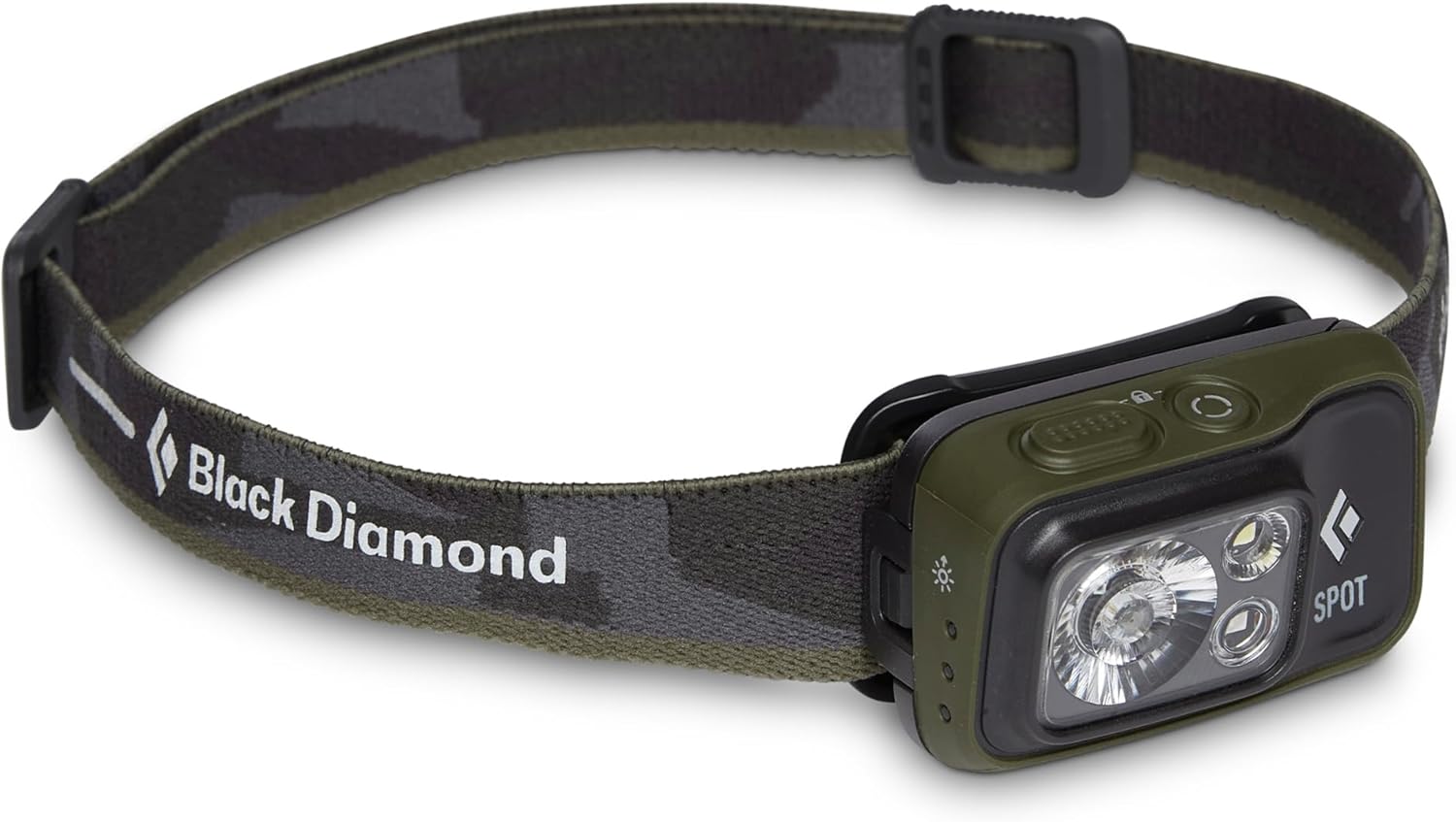
- A small first-aid kit, a whistle, and a headlamp in case the hike runs long
January daylight is short, so check sunset and plan to be back well before it. The standard day-hike checklist is in hiking with kids from camp.
Pacing and the turn-around rule
Cold shortens everyone's range, so plan a distance well under what the youngest could manage in summer, and keep the group moving between stops, since standing around is when kids get cold. Snack every 30 minutes, and agree on a turn-around time before you start. If a child goes quiet, stops complaining, or reports numb fingers or toes that do not warm up once you keep walking, head back. Icy patches and slick boardwalks need slow, deliberate steps, so keep little kids close on descents.
Common mistakes
- Overdressing at the car. A kid bundled up for standing still will be soaked in sweat 15 minutes in. Start slightly cool.
- Skipping the registration check. A full hike means a long drive for nothing, so confirm before you go.
- Picking the long route. Choose the shortest option. Ending with energy left is how a first winter hike turns into a yearly tradition.
- Forgetting the warm drink. Hot cocoa at the turn-around is the reward that gets kids to the turn-around.
Want a full plan built around your dates and your kids' ages? Take the 5-second quiz.
Frequently asked
What is a First Day Hike?
A New Year's Day hike offered by state parks across the country, usually free or low cost and short enough for beginners and families.
Do we need to register for a First Day Hike?
Often not, but some parks cap group sizes. Check the event page a week or two ahead and arrive early for parking.
How cold is too cold to hike with kids?
Wind and wet matter as much as the number. Turn back if anyone is shivering hard or has numb fingers or toes that do not warm up while moving.
What should kids wear on a winter day hike?
A wicking base layer, an insulating middle layer, a windproof shell, a hat, mittens, and wool or synthetic socks. No cotton against the skin.

