New York
Camping in New York for Beginners
A short season, a famous bug, and some of the best lake camping in the country. Here is how to plan around all three.
By William Blacklock · Last updated April 2026


What camping in New York is actually like
- Short season, sharp edges. Most campgrounds run from mid-May to Columbus Day. The comfortable beginner window is narrower than that: July through early October.
- Water everywhere. The Adirondacks alone hold roughly 3,000 lakes and ponds. Nearly every good beginner campground in the state is on one, and that is the whole appeal.
- Two very different regions. The Adirondack Park is six million acres of public and private land, the largest park in the lower 48. The Catskills are smaller, steeper, closer to New York City, and much more crowded on weekends.
- Beginner focus: a drive-in DEC or state park campground on a lake, in late July or September, within a three-hour drive. Save the High Peaks and backcountry lean-tos for later.
What's different about camping in New York
Black flies own late May and June
- Black flies hatch around mid-May and stay heavy through late June, worst near moving water and worst at dawn and dusk.
- They crawl into the hairline and under cuffs. The bites swell and itch for days, and repellent alone is not enough.
- If you camp in that window: head net, long sleeves and pants treated with permethrin, and DEET or picaridin on exposed skin.
- The simplest fix is scheduling. Book July 1 or later and you skip most of it. Mosquitoes take over in July but are far easier to manage.
Nights are cold even in August
- Adirondack overnight lows run in the 40s and 50s through the summer, and a clear night in September can dip near freezing.
- A 20-30°F rated bag and an insulated pad are the right call, not a summer-weight bag.
- Kids feel this first. Send them to bed in dry clothes, a hat, and dry socks, and the trip goes fine.
Rain is a scheduling reality, not a forecast surprise
- New York has no dry season. Precipitation is spread through the year and afternoon storms build fast over the mountains.
- Bring a tarp large enough to cover the picnic table. A dry place to cook and sit is the difference between waiting out a shower and packing up early.
- Pack real rain jackets, not ponchos. Wet cotton at 50°F is how a comfortable trip turns miserable.
Foliage season is the hardest booking of the year
- Peak color runs late September in the High Peaks and early to mid October at lower elevations and downstate.
- Those weekends book out immediately and campgrounds start closing right after Columbus Day.
- If you want a foliage trip, set a calendar reminder for the day the reservation window opens and book the moment it does.

Best setup for your first trip in New York
Three beginner trip types that work here, mapped to plans on this site. Pick the smallest one you have not done yet, or take the 5-second quiz and we will match one to your dates and party size. If you are aiming at leaf season, read fall camping for beginners first.
- Backyard Test. Worth doing anywhere, and especially useful here because a New York night is colder than most people expect. Run it on a night forecast in the 50s and find out whether your sleeping bag is actually warm enough before you drive four hours.
- First Night Camp. One night, one car, a drive-in campground on a lake within two or three hours of home. Late July or September. A site with a swimming beach carries the entire afternoon.
- Easy Family Basecamp. The real New York family weekend: two nights at Fish Creek Pond, Eighth Lake, or North-South Lake, with a canoe or kayak rental and a beach. Drive up Friday evening, out Sunday afternoon.
Where beginners should look
DEC campgrounds in the Forest Preserve
The Department of Environmental Conservation runs the campgrounds inside the Adirondack and Catskill Forest Preserve, and they are the best beginner infrastructure in the state: drive-in sites, flush toilets, showers, potable water, swimming beaches, and boat launches. Fish Creek Pond near Tupper Lake is the most beloved of them, with sites right on the water and a paddling network out the back door. Eighth Lake sits between Inlet and Raquette Lake with a beach at both ends. North-South Lake in the Catskills is the largest campground in the system and the easy pick if you are coming from downstate. Details and maps are at dec.ny.gov.
New York State Parks
The state park system covers the rest of the map: the Finger Lakes, Lake George, the Thousand Islands, Letchworth, Allegany, and the Hudson Valley. Around Lake George, Hearthstone Point and Lake George Battleground are close enough to town that a forgotten item is a ten-minute errand instead of a ruined trip, which is exactly what you want on attempt number one. Browse and book at parks.ny.gov.
Reservations
State parks and DEC campgrounds share one booking system: newyorkstateparks.reserveamerica.com. Popular summer Saturdays and every foliage weekend go the day they open, so treat booking as a scheduled task rather than something you do when you get around to it. Federal campgrounds in New York, which are mostly Army Corps sites, are on recreation.gov. If reservation systems are new to you, our Recreation.gov reservation strategy guide covers the tactics that carry over.
Free and primitive camping
On Forest Preserve land you can camp at no charge for up to three nights, at least 150 feet from any road, trail, or water. Roadside primitive sites marked with a yellow disc are free and first-come, first-served, and lean-tos are free, first-come, and shared. All of it is genuinely good, and none of it is a first trip: no water, no toilet, no neighbor to borrow a mallet from.

What to bring (for New York)
Start from a normal beginner packing list, then adjust:
Add
- A 20-30°F sleeping bag and an insulated pad. Summer-weight bags are not enough for Adirondack nights.
- A head net per person if you are camping before July 1, plus permethrin-treated long sleeves and pants.
- A 10x10 or larger tarp with cord, rigged over the picnic table before you do anything else.
- Real rain jackets and a second pair of shoes. Something will get wet.
- A knit hat and dry socks for sleeping, even in August.
- Firewood bought within the state. New York bans moving untreated firewood more than 50 miles from its source to slow the emerald ash borer, and rangers do check.
Skip or downsize
- Large shade canopies. Shade is not the constraint here; rain cover is. A tarp does more work.
- Elaborate cooling gear. A small fan is enough on the handful of genuinely hot nights.
- Backcountry water filtration for a drive-in trip. Every DEC and state park campground has potable water.
Common first-time mistakes in New York
- Booking Memorial Day or early June. That is peak black fly season across the Adirondacks and Catskills. It is the single most common way a first New York camping trip becomes the last one. Move the date to July or September.
- Packing for the daytime forecast. An 80°F Adirondack afternoon becomes a 45°F night. People pack shorts and a sheet, then sit in the car with the heat on at 2am.
- Waiting to book. Fish Creek Pond, Eighth Lake, North-South Lake, and the Lake George campgrounds fill the day their window opens for summer and foliage weekends. Deciding in July to camp in September usually means taking whatever is left.
- Bringing firewood from home. New York enforces a 50-mile limit on untreated firewood. Buy it at or near the campground.
- Treating the High Peaks as a starter trip. The Eastern High Peaks require a bear canister from April through November, involve real elevation and exposure, and have parking that fills before sunrise. Get two or three lakeside weekends in first.
Simple gear setup for New York
A working starter kit calibrated for New York: cold nights, steady rain, and bugs. Built around insulation and dry space rather than shade.
- Tent. Coleman Sundome 4-Person (~$68). A full-coverage rainfly matters more than floor space here. Pitch it on high ground, not the flat low spot.
- Sleeping bag. Coleman Brazos Sleeping Bag (~$40). Rated for the 30s, which is the right range for an Adirondack summer night.
- Sleeping pad. Big Agnes Divide UnInsulated Pad (~$100). Insulation from the ground is half of staying warm. An uninsulated air mattress will make you colder, not warmer.
- Rain cover. GEERTOP 17×10 ft Camping Tarp (~$40). Rig it over the picnic table on arrival. You will use it on most trips.
- Stove. Coleman Triton+ 2-Burner Propane Stove (~$85). Two burners means coffee and eggs at the same time on a cold morning.
- Lighting. LuminAID Titan 2-in-1 Solar Lantern (~$75). Dark comes early once you are into September.
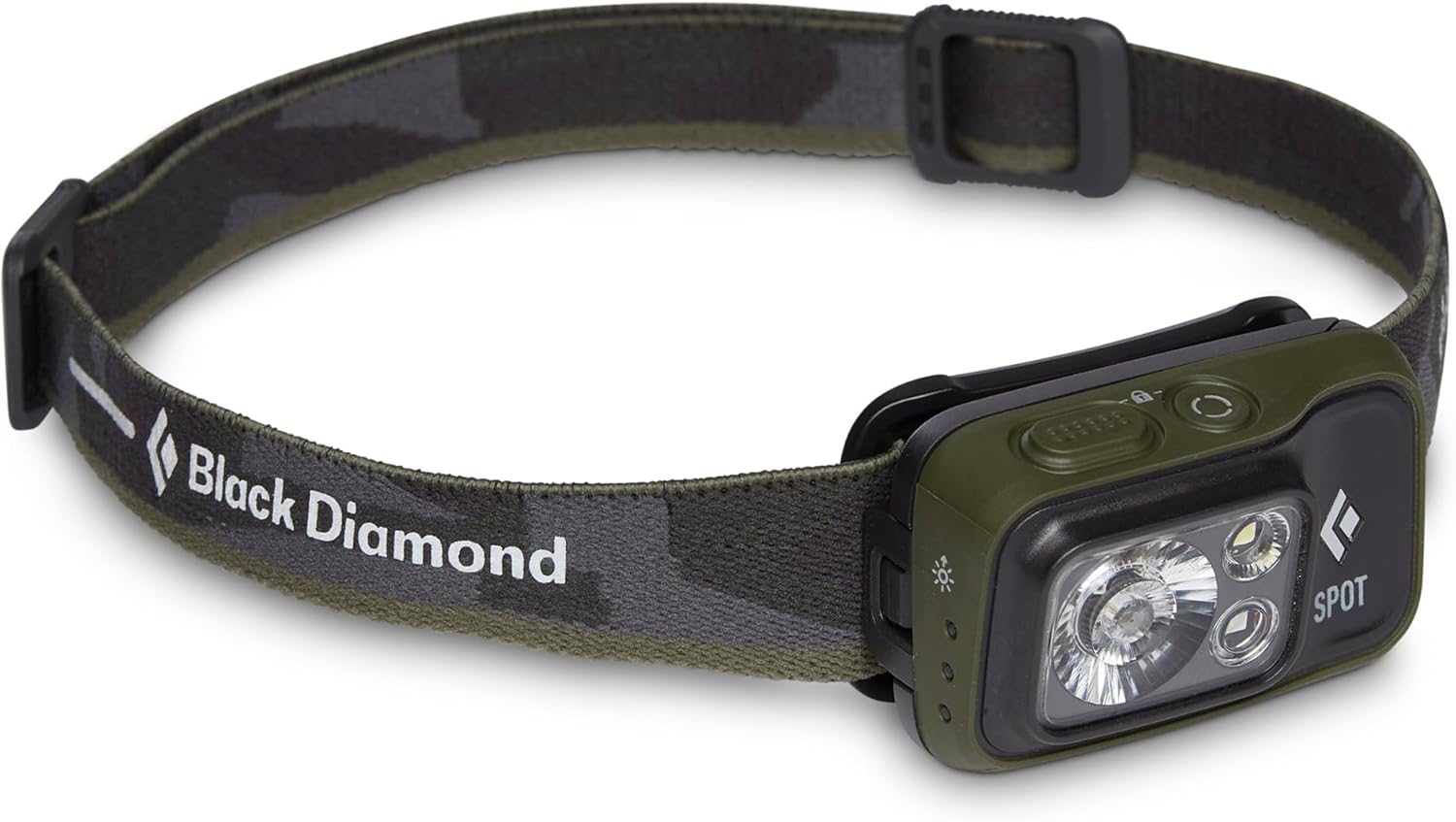
- Headlamp. Black Diamond Spot 400 Headlamp (~$60). One per person.
- Bug control. Permethrin for clothing, picaridin or DEET for skin, and a head net per person if you are camping before July.
Frequently asked
When is the best time to camp in New York?
Mid-July through early October. July and August are warm and reliable, and September is the best month of the year: warm days, cold nights, and almost no bugs. Avoid late May and June unless you are prepared for black flies.
How bad are the black flies in the Adirondacks?
Bad enough that experienced Adirondack campers simply skip early June. They peak mid-May through late June, worst near moving water at dawn and dusk. A head net, permethrin-treated clothing, and DEET or picaridin make it survivable. Booking after July 1 makes it a non-issue.
How do I reserve a campsite in New York?
State parks and DEC Forest Preserve campgrounds share one system at newyorkstateparks.reserveamerica.com. Summer Saturdays and foliage weekends go the day the window opens. Federal sites are on recreation.gov.
Where should a New York first-timer actually camp?
A drive-in lakeside campground within two or three hours of home. Fish Creek Pond and Eighth Lake in the Adirondacks, Hearthstone Point or Lake George Battleground near Lake George, North-South Lake in the Catskills.
Do I need a bear canister in the Adirondacks?
Only for overnight backcountry use in the Eastern High Peaks Wilderness, where they are required April 1 through November 30. At a drive-in campground, storing food in the car with the windows up is enough.
Can I camp for free in the Adirondacks?
Yes. Forest Preserve land allows free camping for up to three nights, at least 150 feet from any road, trail, or water. Yellow-disc roadside sites and lean-tos are free and first-come, first-served. No water, no toilets, no staff, so save it for a later trip.