Stargazing
Watching a Meteor Shower
When to go out, where to look, and why you don’t need any equipment.

By William Blacklock · Last updated April 2026
When to use this
On or within a day or two of the shower’s peak. Best viewing is usually after midnight, when the radiant is high overhead.
- Family camp night with a memorable hook
- A reason to camp on a specific weekend
- Quiet evening activity with no setup
See it done
What you need
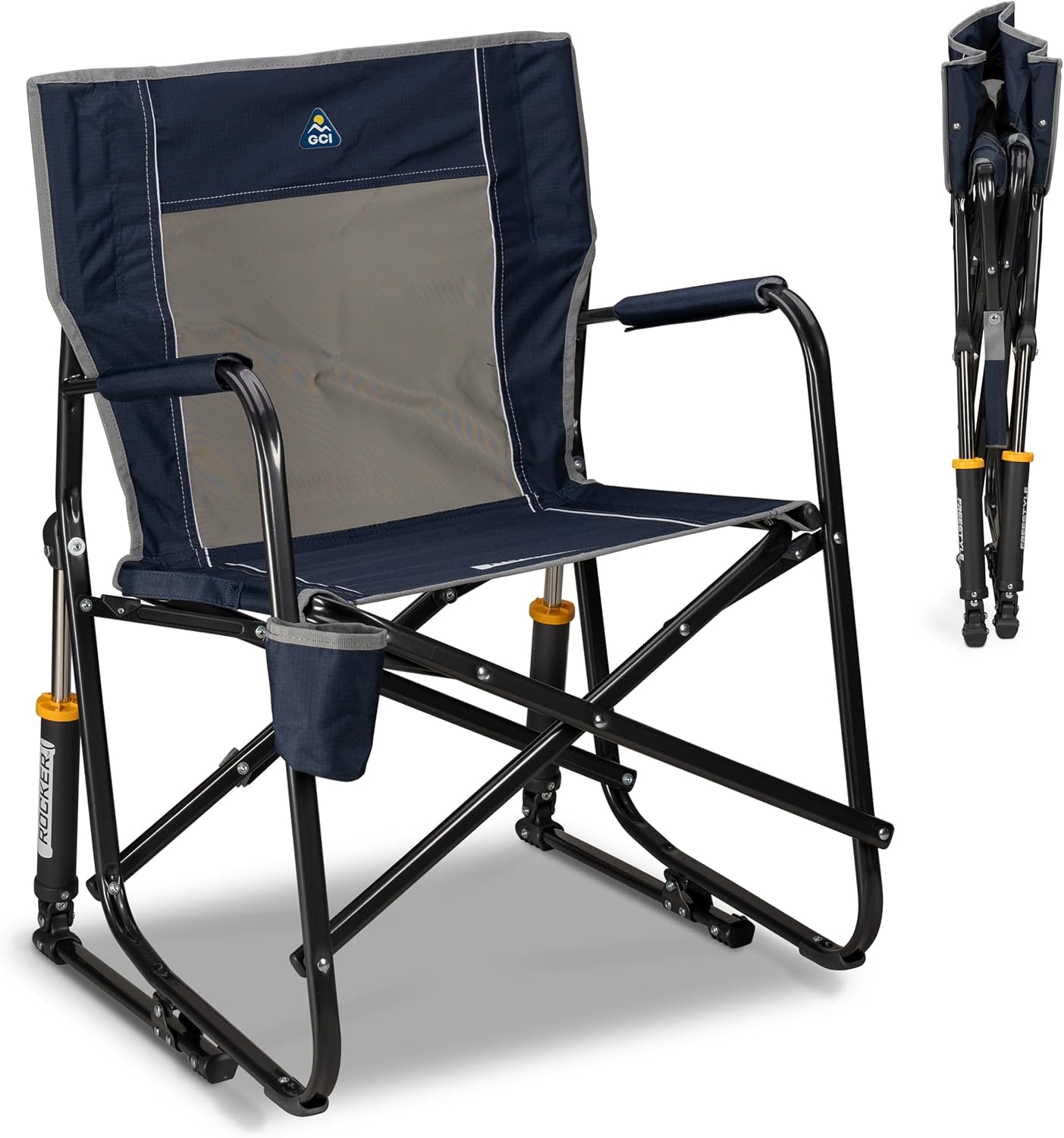
- A reclining camp chair or a blanket on the ground
- Warm layers (you’ll be still for hours)
- Snacks
- Optional: red headlamp
Step by step
- 1.Pick the right shower. The reliable annual ones: Quadrantids (Jan 3-4), Lyrids (Apr 22-23), Eta Aquariids (May 5-6), Perseids (Aug 12-13), Orionids (Oct 21-22), Leonids (Nov 17-18), Geminids (Dec 13-14). Perseids and Geminids are the strongest.
- 2.Check the moon. A full moon during peak washes out half the meteors. New moon weekends near a peak are gold.
- 3.Get to the darkest sky you reasonably can. Bortle 4 or darker. Even a small town’s glow cuts visible meteor counts in half.
- 4.Lie back so the whole dome of sky is in your field of view. Don’t fixate on the radiant - the longest, brightest meteors appear 60-90° away from it.
- 5.Adjust to the dark for at least 20 minutes before counting. No phone screens.
- 6.Be patient. Even at peak, expect 1 meteor every 1-3 minutes from a dark site. The Geminids and Perseids can hit 50-100/hr at their best, but only late, high, and dark.
Pro tips
- The Perseids peak in mid-August - warm nights, long camping season, the best beginner meteor shower in the calendar. Plan a camp trip around it once.
- The Geminids are technically richer but fall in mid-December - cold camping, but the only major shower visible early in the evening.
Common mistakes
- Watching for 15 minutes and giving up. Meteor counts are an hour-long average - sustain at least 60 minutes for a real impression of the rate.
- Looking through binoculars. Naked eye only - meteors flash across too much sky for any narrow field of view to catch.
Recommended gear
A short list of what makes this skill easier.
Analog companion
Prefer the full landing page first? See the northern hemisphere constellation wheel.
Continue learning
Stargazing
Spotting the Planets
How to tell a planet from a star without opening an app.
Stargazing
Reading Lunar Phases for Camping
Which moon phase to plan around - for stargazing, hiking, or kids who fear the dark.
Stargazing
Finding Dark-Sky Sites
How to read the Bortle scale and pick a campground where the Milky Way is actually visible.
Ready to put this to use
Get a starter trip plan in 5 seconds.
The skill clicks once you use it on a real trip. Build a full trip plan in two minutes - gear list, meals, schedule, the works.
Start the quiz