Stargazing
Using Red Light at Camp
Why red light preserves night vision - and how to set up a camp that doesn’t wreck your eyes.

By William Blacklock · Last updated April 2026
When to use this
After dark, anywhere a white headlamp would otherwise be on.
- Stargazing nights
- Any camp activity after full dark
- Walking to the bathroom without ruining 20 minutes of dark adaptation
What you need
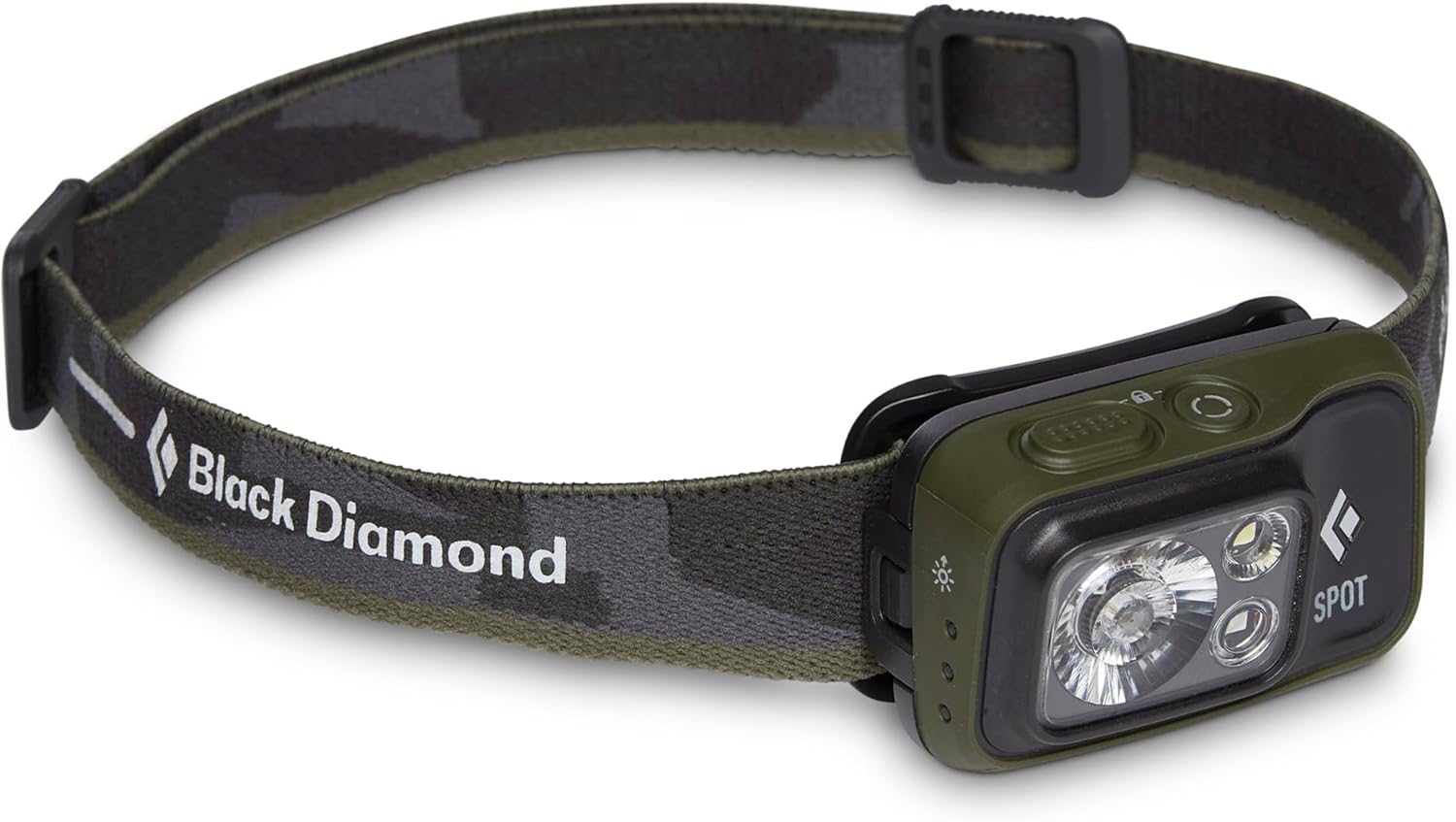
- A headlamp with a red-light mode (most modern models have one)
- Or red plastic / red gel taped over a white headlamp lens
Step by step
- 1.Switch every headlamp at camp to red mode before sunset. Once full dark hits, white light from one person wipes everyone’s dark adaptation in seconds.
- 2.Set lanterns to red or warm-orange if they have the option. If not, dim them to the lowest setting.
- 3.Brief everyone - kids especially - that "white light is for emergencies only" once it’s dark. The camp becomes the dark-sky preserve.
- 4.For reading a star chart, use red light only. The eye’s rod cells (responsible for night vision) are mostly insensitive to red wavelengths above 650nm, so red light reads as "nearly dark" to your dark-adapted eye.
- 5.When you finish stargazing, leave the headlamps on red until you’re inside the tent - even a single white-light flick reverses 15+ minutes of adaptation.
Pro tips
- A $1 sheet of red theater gel from a local theater supply (or 2 layers of red plastic from a craft store) tapes onto any white headlamp lens and works just as well as a built-in red mode.
- Red light is also less attractive to mosquitoes than white - a small but real bonus on summer nights.
Common mistakes
- Using white light at the picnic table during dinner, then expecting to stargaze 5 minutes later. Dark adaptation takes 20-30 minutes - give it the time.
- Forgetting that phone screens are dark-vision-killers. Use the device’s red-screen / "night shift" mode, or just keep the phone in your pocket.
Recommended gear
A short list of what makes this skill easier.
Analog companion
Prefer the full landing page first? See the northern hemisphere constellation wheel.
Continue learning
Stargazing
Finding Constellations
Three you can pick out tonight - without an app.
Stargazing
Reading a Star Chart
How to orient a planisphere - and why the sky looks different at 9pm vs midnight.
Stargazing
Finding Dark-Sky Sites
How to read the Bortle scale and pick a campground where the Milky Way is actually visible.
Ready to put this to use
Get a starter trip plan in 5 seconds.
The skill clicks once you use it on a real trip. Build a full trip plan in two minutes - gear list, meals, schedule, the works.
Start the quiz