Stargazing
Spotting the Planets
How to tell a planet from a star without opening an app.

By William Blacklock · Last updated April 2026
When to use this
Twilight through early evening for Venus and Mercury; all night for Jupiter, Saturn, and Mars when they’re up.
- First identification challenge with kids
- Bright objects you spot before full dark
- Confirming what an app told you
See it done
What you need
- A clear sky
- Optional: a stargazing app to confirm
Step by step
- 1.Planets don’t twinkle. Stars twinkle (their light passes through more atmosphere); planets show a steadier light. This is the single best filter - if it twinkles, it’s a star.
- 2.Planets are usually brighter than nearby stars. If one "star" outshines everything around it, it’s likely a planet.
- 3.Planets follow the ecliptic - the line the sun and moon trace across the sky. If you can see where the sun set and where the moon is, planets line up roughly along that arc.
- 4.Venus is the brightest. White, dazzling, only visible near sunrise (morning star) or sunset (evening star). Often mistaken for an aircraft landing light.
- 5.Jupiter is second-brightest. Yellow-white, very steady, visible most of the night when it’s in season. The Galilean moons are visible through small binoculars as four tiny dots in a line.
- 6.Mars is unmistakably red-orange. Dimmer than Jupiter most of the time, but obvious by color. Brightest during opposition (every ~26 months).
- 7.Saturn is yellow-white and dimmer than Jupiter. The rings need binoculars or a telescope to see - naked-eye it’s a steady, golden "star."
Pro tips
- A pair of $30 7×35 binoculars turn Jupiter from a bright dot into a tiny disk with four moons. The single biggest budget-to-wow upgrade in stargazing.
- Mercury is the hard one - always close to the sun, only visible for ~30 minutes at twilight a few weeks per year. Most stargazers go years between sightings.
Common mistakes
- Confusing Venus for an aircraft. Venus doesn’t move relative to the stars over a few minutes; aircraft do.
- Expecting all five naked-eye planets to be up at once. Half the time, two or three are behind the sun and unavailable.
Recommended gear
A short list of what makes this skill easier.
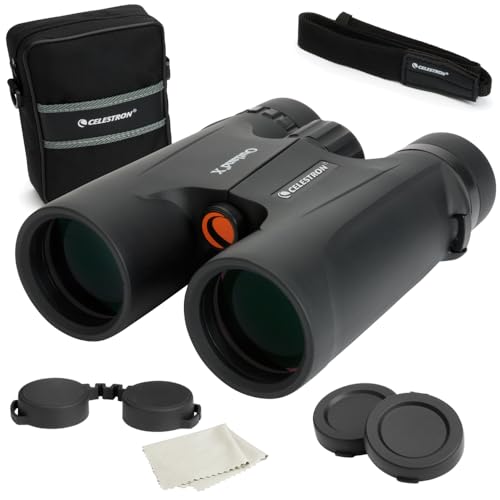
Analog companion
Prefer the full landing page first? See the northern hemisphere constellation wheel.
Continue learning
Stargazing
Finding Constellations
Three you can pick out tonight - without an app.
Stargazing
Watching a Meteor Shower
When to go out, where to look, and why you don’t need any equipment.
Stargazing
Finding Dark-Sky Sites
How to read the Bortle scale and pick a campground where the Milky Way is actually visible.
Ready to put this to use
Get a starter trip plan in 5 seconds.
The skill clicks once you use it on a real trip. Build a full trip plan in two minutes - gear list, meals, schedule, the works.
Start the quiz