Stargazing
Finding Constellations
Three you can pick out tonight - without an app.

By William Blacklock · Last updated April 2026
When to use this
After full dark - about 90 minutes after sunset.
- Cloudless nights at any campsite
- A wind-down activity for kids
- Any night the moon is small
What you need
- Dark sky
- Red-light headlamp (white light kills night vision)
- Optional: stargazing app
Step by step
- 1.Let your eyes adjust for 10-15 minutes. No phone screens - even a glance resets your night vision.
- 2.Find the Big Dipper. It’s the easiest shape: seven bright stars that form a ladle, low in the northern sky.
- 3.Use the Big Dipper to find Polaris: trace a line through the two stars at the front edge of the dipper’s bowl, extend it about five times that distance. That’s the North Star.
- 4.Find Orion (winter through early spring): three bright stars in a row form Orion’s Belt, with bright Betelgeuse and Rigel framing it.
- 5.Find Cassiopeia: a flattened "W" shape opposite the Big Dipper from Polaris. Some seasons it looks more like an "M."
- 6.Sit back. The longer you look, the more you see - including satellites and the occasional shooting star.
Pro tips
- A red headlamp (or red plastic over a white one) lets you read a star chart without ruining 20 minutes of dark adaptation.
- New moon weekends are dark-sky weekends. Plan around them if you can.
Common mistakes
- Looking at your phone mid-session. Even a quick text wipes your dark adaptation.
- Standing in the campground’s lit area. Walk to the darkest spot you can safely reach.
Recommended gear
A short list of what makes this skill easier.
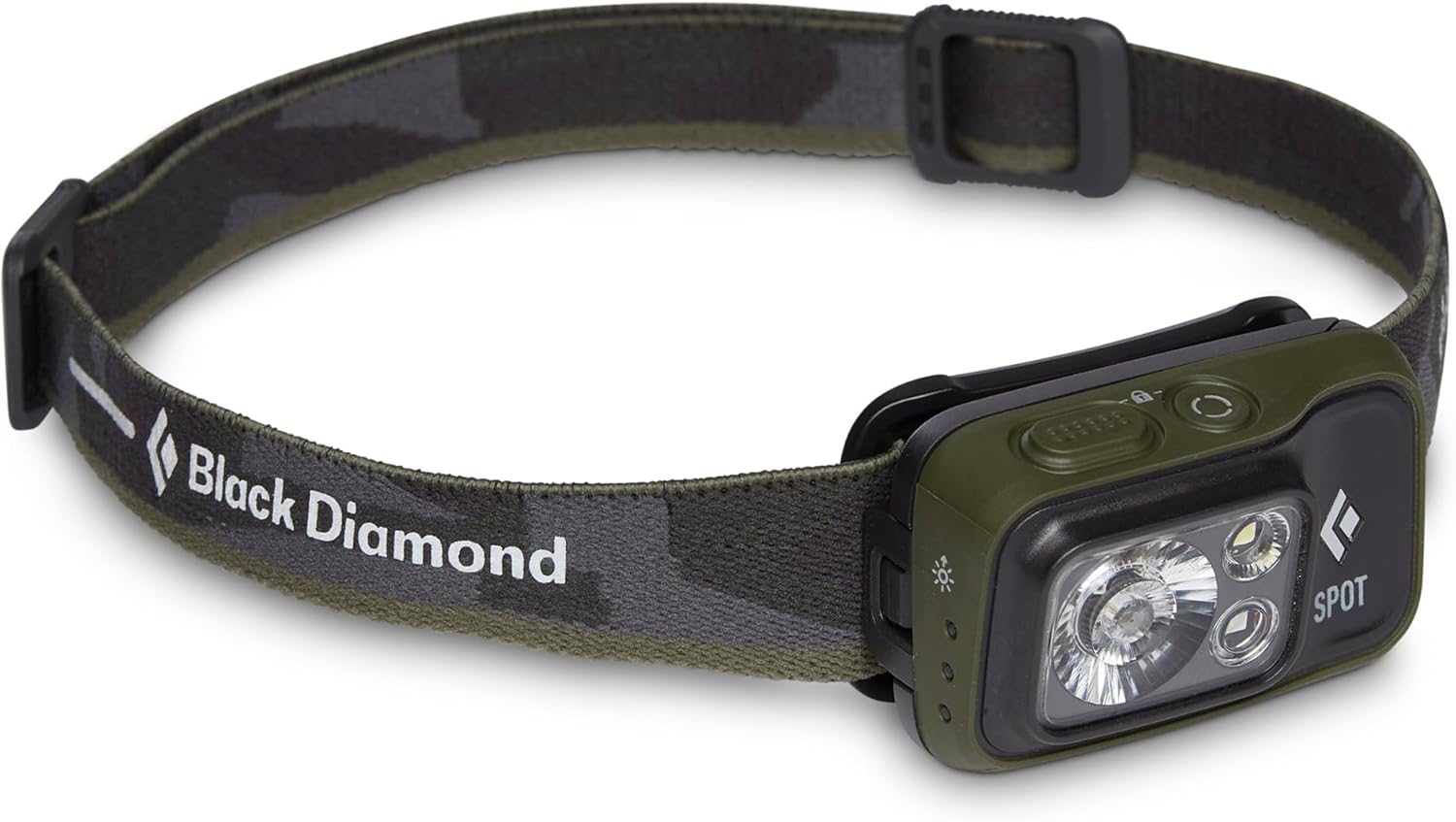 Black Diamond Spot 400 Headlamp~$60
- Sky Guide or Stellarium Mobile (free app)
Analog companion
Prefer the full landing page first? See the northern hemisphere constellation wheel.
Continue learning
Stargazing
Reading a Star Chart
How to orient a planisphere - and why the sky looks different at 9pm vs midnight.
Stargazing
Constellations by Season
Which shapes are up tonight depends on the date - here’s the cheat sheet.
Stargazing
Using Red Light at Camp
Why red light preserves night vision - and how to set up a camp that doesn’t wreck your eyes.
Ready to put this to use
Get a starter trip plan in 5 seconds.
The skill clicks once you use it on a real trip. Build a full trip plan in two minutes - gear list, meals, schedule, the works.
Start the quiz