Back to Safety & First Aid
Safety & First Aid
Heat Exhaustion and Heatstroke
The difference between them is the difference between a rough afternoon and an emergency.
Beginner
By William Blacklock · Last updated April 2026
When to use this
Recognize early signs before they progress. Prevention is the skill; treatment is the failure mode.
- Summer trips with hard physical activity
- Desert or low-humidity environments where sweat evaporates invisibly
- Trips with young children or older adults, who are more vulnerable
What you need
- Water (at least 1 liter per hour of activity in heat)
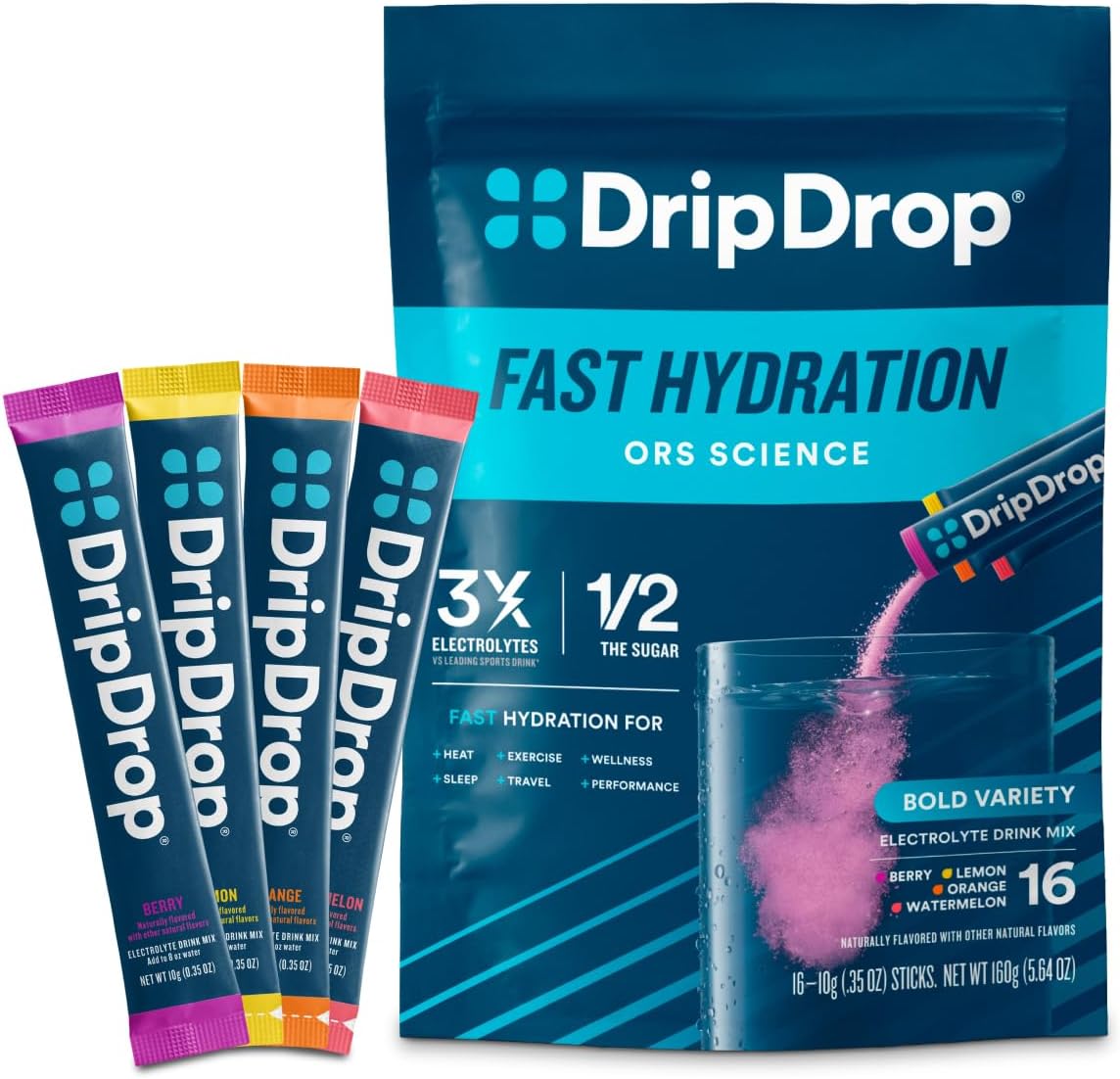
- Electrolyte tablets or a sports drink
- Shade and a way to wet the skin (wet cloth, water bottle)
Step by step
- 1.Heat exhaustion signs: heavy sweating, pale cool skin, headache, dizziness, nausea, fatigue, muscle cramps. The person is still alert and sweating - the cooling system is working but overwhelmed.
- 2.Heat exhaustion treatment: stop activity immediately. Move to shade. Lay the person down with legs elevated. Cool with wet cloths on neck, armpits, and groin. Give cool water with electrolytes in small sips. Rest 30-60 minutes minimum before resuming any activity.
- 3.Heatstroke signs: hot, red, dry or minimally damp skin, confusion, slurred speech, loss of consciousness, seizures. The cooling system has failed. Core temperature is above 104°F. This is life-threatening.
- 4.Heatstroke treatment: call 911 immediately. While waiting: immerse the person in cold water if available - a stream, a cooler of ice water, or continuous application of cold wet cloths to the entire body. Do not give water to an altered or unconscious person.
- 5.Prevention: drink before you're thirsty. By the time you feel thirst, you're already mildly dehydrated. Drink 1 cup (8 oz) every 20 minutes of activity in heat above 80°F.
- 6.Electrolytes matter. Drinking water without replacing sodium and potassium dilutes blood sodium and can cause hyponatremia - another serious condition. Use electrolyte tablets on hot, long activity days.
Pro tips
- Dark urine color is the fastest field test for hydration. Clear to pale yellow = good. Dark yellow = start drinking now. Brown or orange = hydration emergency.
- Cotton clothing holds sweat against skin and slows evaporative cooling. Wear moisture-wicking synthetics or merino wool in heat.
Common mistakes
- Dismissing headache and fatigue as "just tiredness." In heat and activity, these are early heat exhaustion signs - act on them.
- Waiting for heatstroke to call 911. Heat exhaustion can progress to heatstroke in under an hour with continued activity.
Recommended gear
A short list of what makes this skill easier.
Analog companion
Prefer the full landing page first? See the camp first aid quick reference.
Continue learning
Ready to put this to use
Get a starter trip plan in 5 seconds.
The skill clicks once you use it on a real trip. Build a full trip plan in two minutes - gear list, meals, schedule, the works.
Start the quiz