Back to Camp Cooking
Camp Cooking
Cast Iron Cooking at Camp
The most durable camp kitchen tool - if you know how to use it.
Beginner
By William Blacklock · Last updated April 2026
When to use this
When you want real cooking results - not just boiling water - and have the car space to carry it.
- Cooking directly over a fire or camp stove burner
- Searing proteins with better heat retention than thin pans
- Dutch oven baking over coals
See it done
What you need
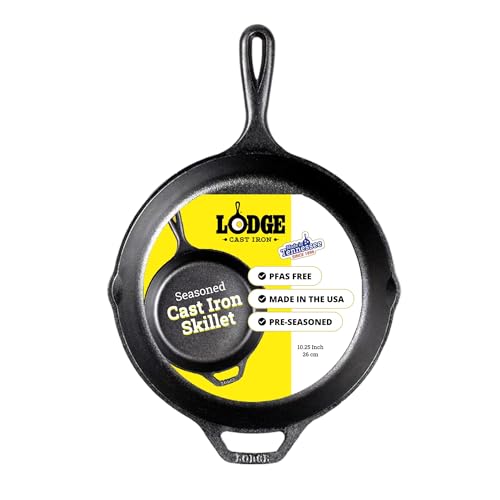
- A 10-12 inch cast iron skillet or a 4-6 quart Dutch oven
- A heat-resistant handle mitt or pot lifter
- A stiff brush or chain-mail scrubber for cleaning
- A thin coat of oil for re-seasoning after cleaning
Step by step
- 1.Preheat slowly. Cast iron holds heat well but heats unevenly if rushed. Low heat for 3-5 minutes, then medium.
- 2.Add oil or butter once the pan is warm. It should shimmer, not smoke.
- 3.Cook as normal. Do not move food until it releases naturally - it sticks when you rush it.
- 4.After cooking, let the pan cool partially before cleaning - never plunge hot cast iron into cold water.
- 5.Scrub with a brush and hot water. No soap for seasoned pans. Dry completely over low heat.
- 6.While still warm, rub a thin film of oil on the cooking surface with a paper towel. Let cool.
Pro tips
- For campfire cooking: place the skillet on a grate over established coals, not open flame. Steady heat beats big heat.
- Dutch oven baking rule of thumb: two-thirds of the coals on the lid, one-third underneath.
- Acidic foods (tomatoes, citrus) strip seasoning. Cook these last or use a different pot.
Common mistakes
- Using high heat immediately - hot spots warp food, not the pan.
- Leaving it wet. A single night of moisture starts rust.
- Scrubbing off the seasoning with dish soap, then wondering why everything sticks.
Recommended gear
A short list of what makes this skill easier.
Analog companion
Prefer the full landing page first? See the 3-day camp meal planner.
Continue learning
Ready to put this to use
Get a starter trip plan in 5 seconds.
The skill clicks once you use it on a real trip. Build a full trip plan in two minutes - gear list, meals, schedule, the works.
Start the quiz